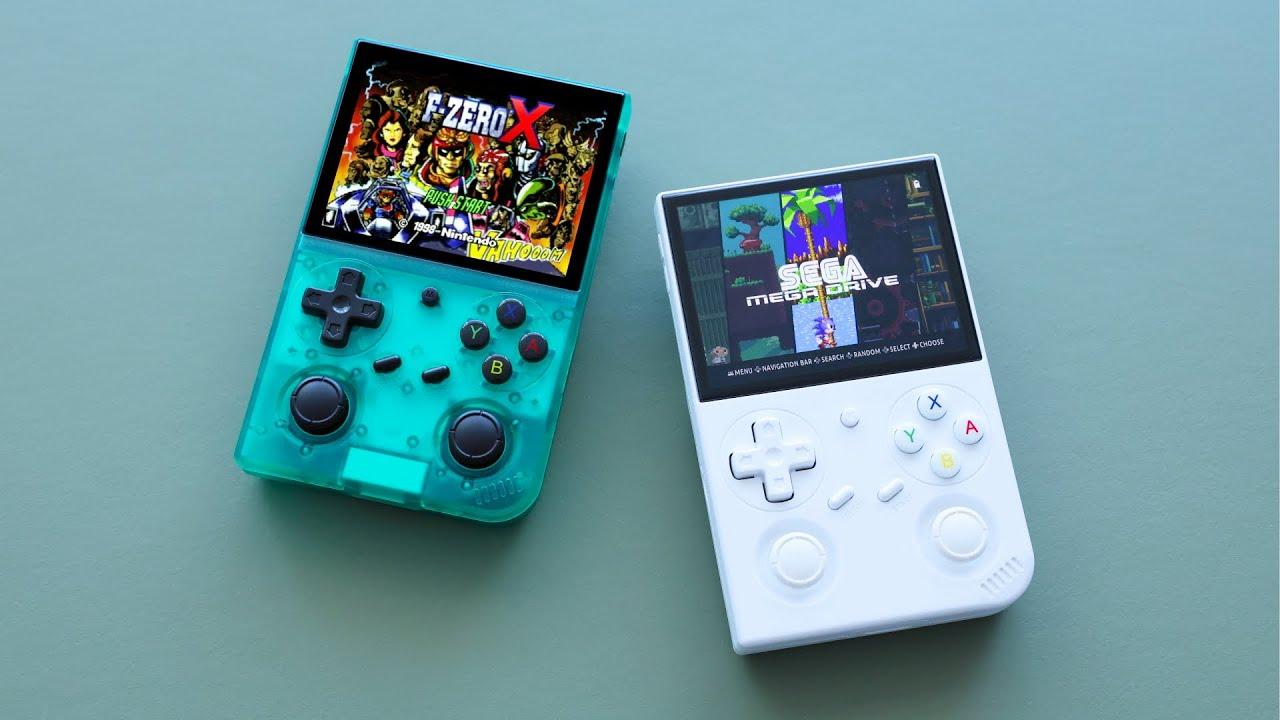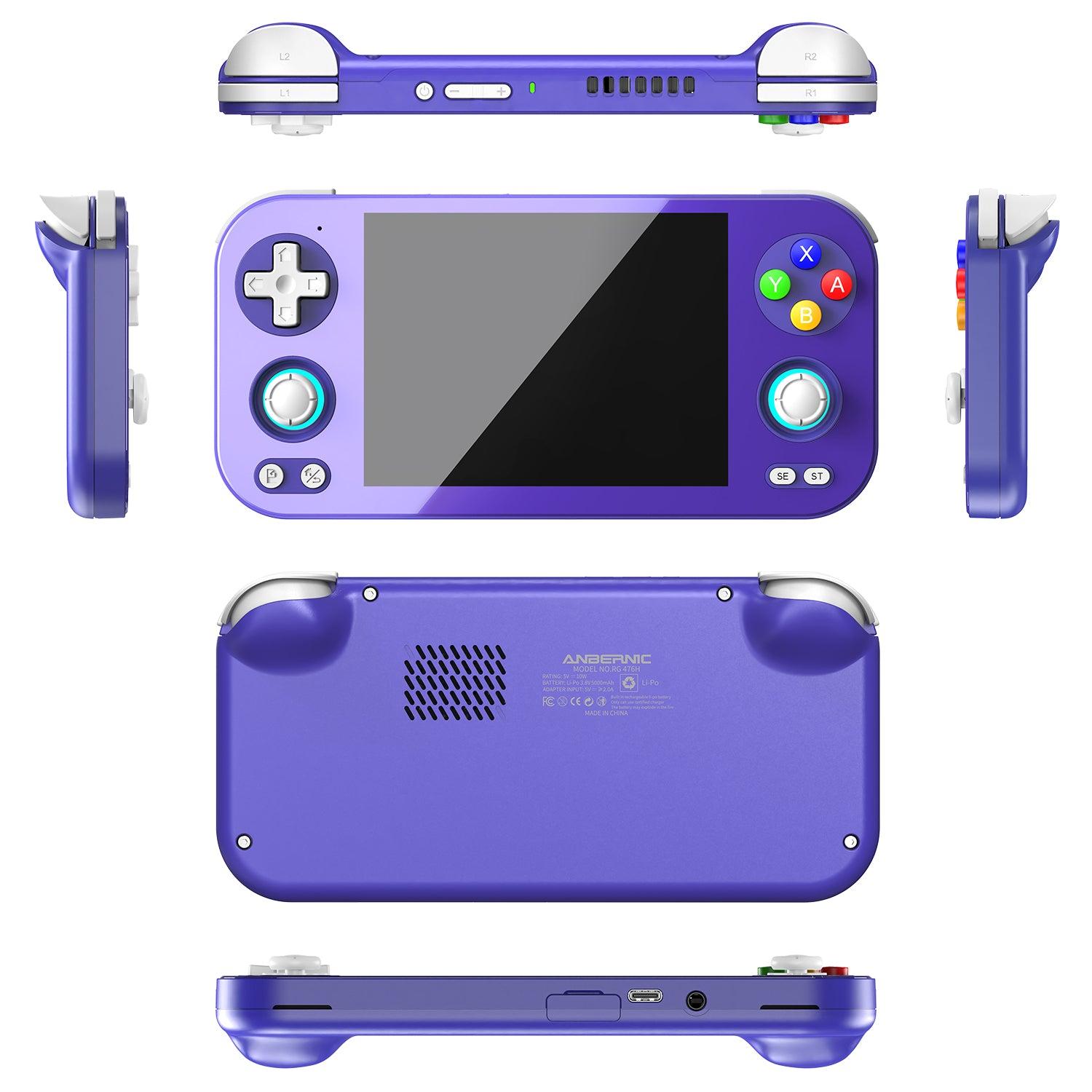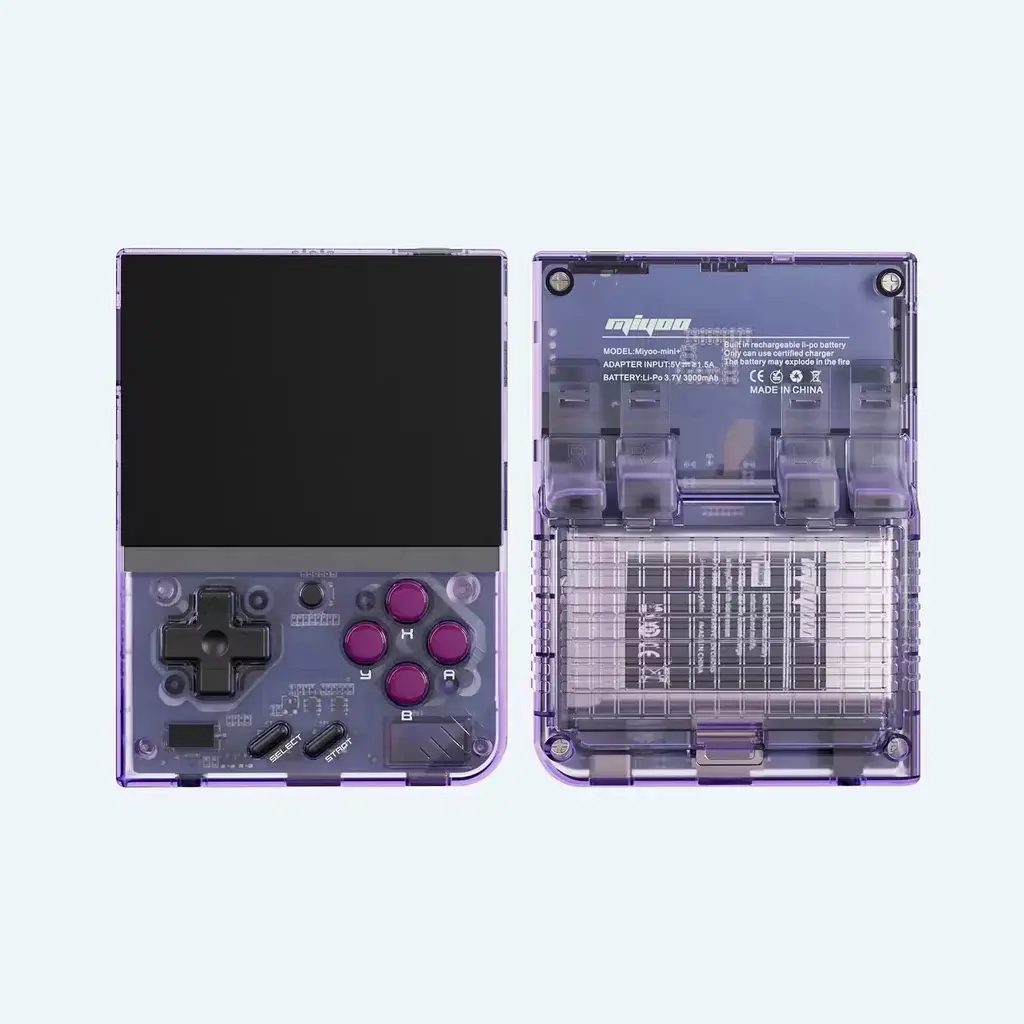
The Miyoo Mini Plus is the handheld that retro gaming subreddits have been recommending non-stop since 2023 — a pocketable device with a sharp 3.5-inch IPS panel, mature OnionOS support, and a price that has stayed under $70. Is it still the right pick in 2026, with the Anbernic RG34XX and Powkiddy RGB30 in the mix?
We do not get review units, so this page does not pretend to have one. What follows is a synthesis of the outlets that did put hardware in front of them — XDA, Retro Dodo and RetroResolve — checked against the current store listing, with the places they disagree called out rather than smoothed over.
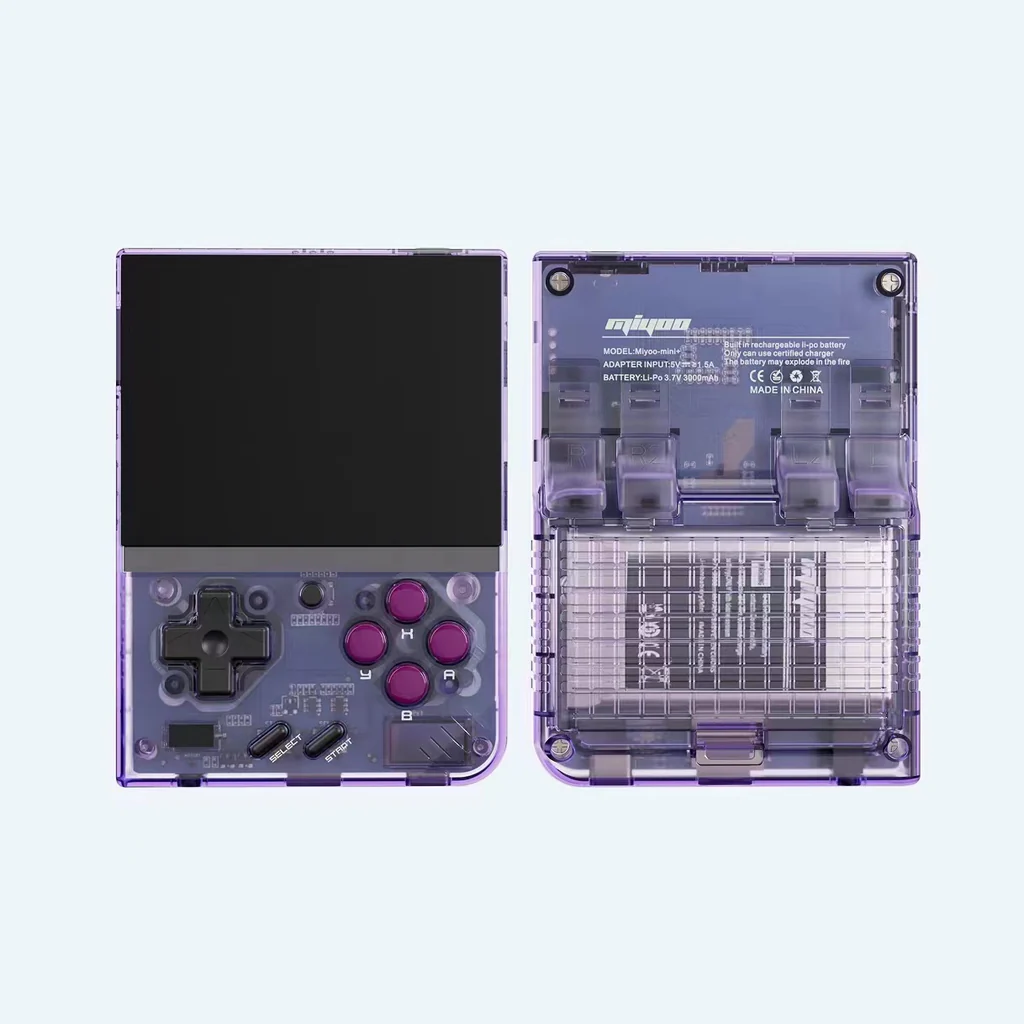
Price: $69.99 console-only at LitNXT, in stock as of 23 September 2026 (it was $65.99 until that morning). On 23 August 2026 the store's announcement bar carried SUMMER15 for 15% off; codes on this store change often, so check it still applies at checkout rather than taking our word for it.
Quick verdict
The Mini Plus is still the strongest ultra-portable retro handheld under $70, and OnionOS is the reason. All three reviewers below land in the same place on the 8-bit and 16-bit libraries: this thing is excellent at them. Where they split is PS1, which matters if that is why you are buying.
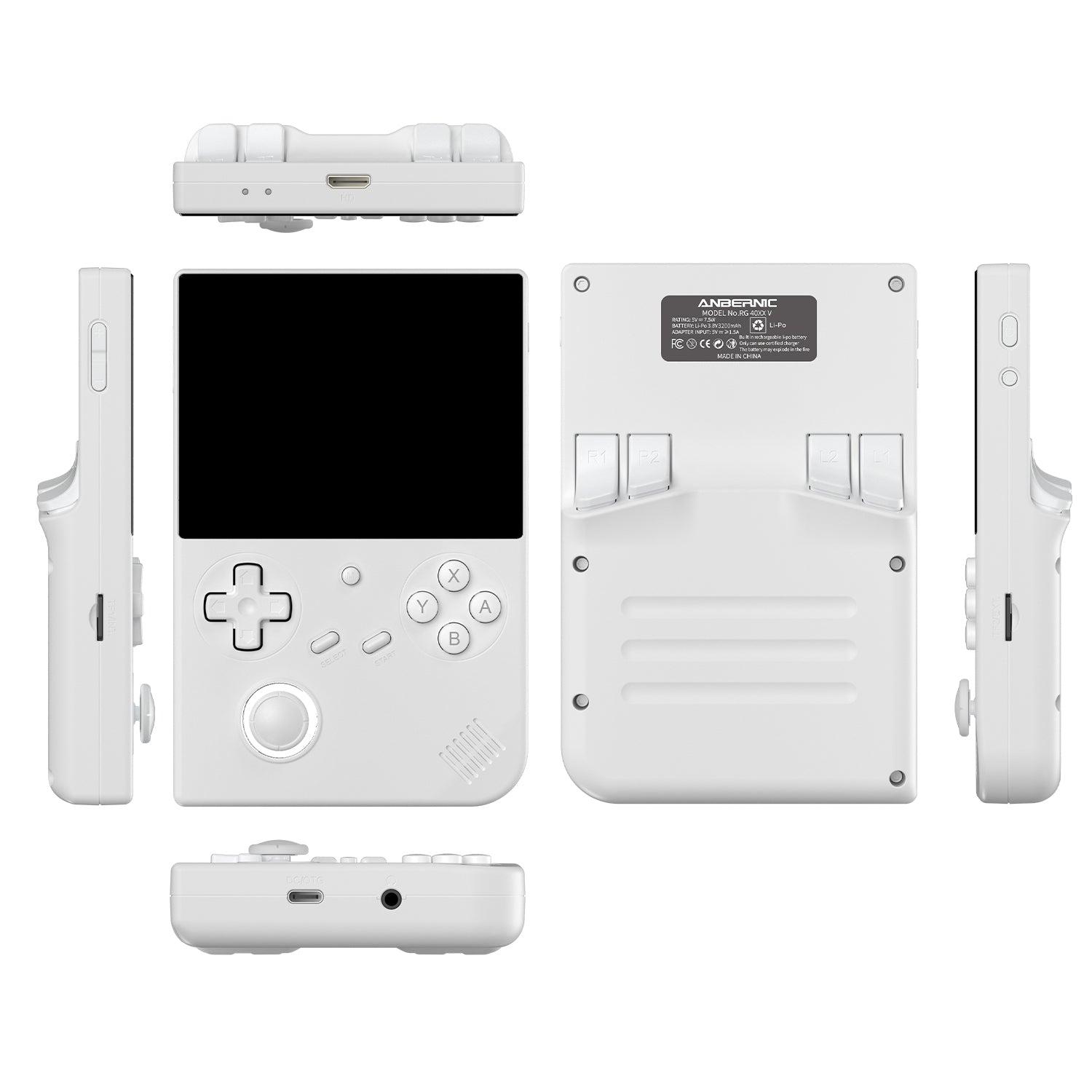
It is not the right pick if you want a bigger screen, an analog stick, or anything past the fifth generation. For those, look at the Anbernic RG40XX V or the Retroid Pocket 5.
What it actually is, hardware-wise
This is the part most write-ups get wrong, including an earlier version of this page. The Mini Plus does not run an Allwinner H700 like the Anbernic RG35XX/RG40XX family. It runs a SigmaStar SSD202D — a dual-core ARM Cortex-A7 at 1.2GHz with 128MB of DDR3, confirmed on the LitNXT listing and in RetroCatalog's spec sheet.
That is a genuinely modest chip, and it explains the shape of every review below. 128MB is not a typo and not 1GB — it is roughly an eighth of what the H700 devices carry. The Mini Plus is not competing on horsepower and never was; it is competing on size, screen and firmware.
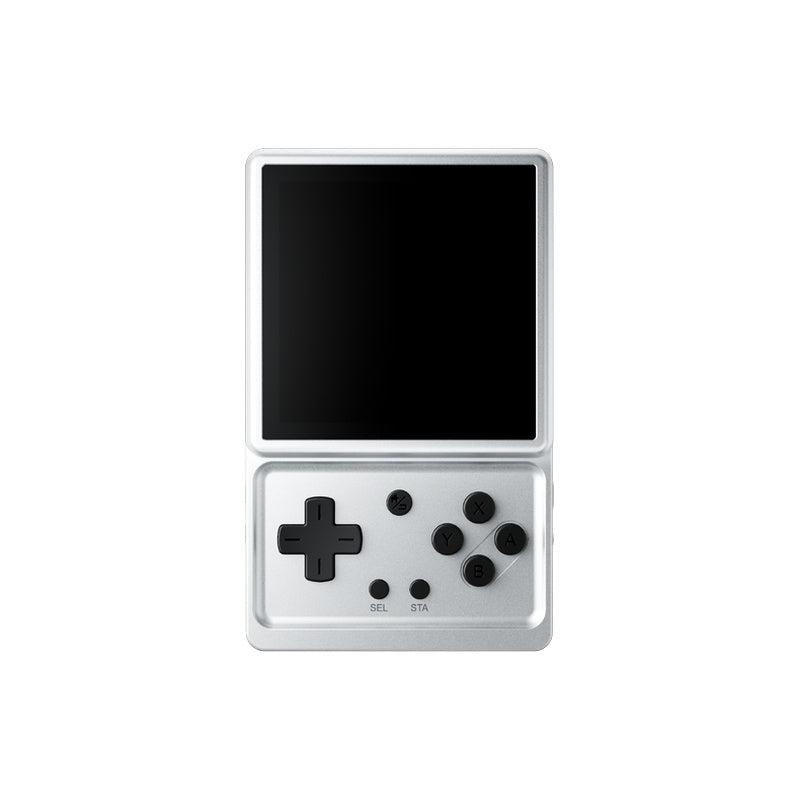
It also has no analog stick at all. Not one, not two — the controls are a D-pad, four face buttons, shoulder buttons and Start/Select. Any comparison that treats it as a single-stick device is describing a different handheld.
Specifications at a glance
Every row here is from the store listing or RetroCatalog, checked on 23 August 2026.
| Feature | Details |
|---|---|
| SoC | SigmaStar SSD202D |
| CPU | Dual-core ARM Cortex-A7 @ 1.2GHz |
| RAM | 128MB DDR3 |
| Screen | 3.5-inch IPS, 640×480, 4:3, ~228 PPI |
| Storage | Single MicroSD (listing supports up to 256GB) |
| Battery | 3,000mAh — listing claims 5–6h |
| Charging | USB-C, 5V/1A |
| OS | Stock Miyoo Linux + OnionOS (community) |
| Connectivity | Wi-Fi, 3.5mm headphone jack |
| Dimensions | 78.5 × 108 × 22.3 mm |
| Weight | ~162g |
| Colours | Grey, White, Transparent Purple, Transparent Black |
| Price | $69.99 console-only |
Note the thickness. At 22mm this is a chunky little device for its footprint — it fits a jeans pocket because it is short and narrow, not because it is slim.
What the reviews agree on
The screen is the best thing about it. Retro Dodo's Brandon Saltalamacchia called it "very bright, the perfect 4:3 aspect ratio for playing old games" with small bezels. RetroResolve describes it as laminated, so "less light escapes, resulting in deeper blacks and less blurriness". XDA's Adam Conway is more matter-of-fact — "more than good enough for this size" — but nobody in this set has a complaint about the panel.
The D-pad is good. Retro Dodo: "The D-PAD is superb, it has nice direction, responds with nice feedback and is a good size." That is the single most consistent praise across coverage of this device.
The shoulder buttons are a real upgrade over the original Miyoo Mini. Retro Dodo was "actually impressed" that Miyoo "have made larger, far more comfortable shoulder buttons for this device". If you bounced off the original Mini's shoulders, this is the fix.
Battery lands in the 5–6 hour band. Retro Dodo saw "around 5–6 hours of gameplay on a single charge, which is pretty average". XDA quotes "up to six hours" with Wi-Fi on and modest brightness. RetroResolve "averaged around five hours". The listing's 5–6h claim is, unusually, honest.
OnionOS is not optional. XDA calls installing it "a complete no-brainer to do" because it "takes minutes to set up". Every reviewer in this set treats the stock firmware as a starting point rather than a destination.
Where the reviews disagree
Two splits, and both should change your decision.
PS1 — does it actually work? XDA puts PlayStation 1 firmly in the "runs well" column alongside GBA and everything older, and Retro Dodo lists PS1 among the systems it handles. RetroResolve disagrees flatly: it puts the device at its best on "8 and 16-bit era games" and says outright that it is not recommended for PS1 gaming. Wesley Copeland also reports "occasional visual tearing, choppiness, and screen artifacts requiring console reboots", calling it "one of the most inconsistent retro handhelds" he had used.
That is a much bigger gap than the usual reviewer variance, and given a 1.2GHz Cortex-A7 with 128MB of RAM, the cautious read is the safer one to plan around. PS1 on this device is title-dependent, not a blanket yes. If your library is mostly PS1, a device with more headroom is the better buy.
Build quality. RetroResolve likes the shell — "sturdy, matte plastic that feels nice to the touch" — but finds the face buttons "glossy to the point of feeling almost slimy". XDA is cooler on the same plastic, saying the "entirely-plastic build, aside from the glass screen" can "make it feel cheap". They are describing the same materials and reaching opposite conclusions, which usually means it is a matter of taste rather than a defect.
Performance by system
Framed as what the sourced reviews support, not as a bench log:
- Game Boy / GBC / NES / Master System / Game Gear — universally reported as comfortable. No reviewer in this set raises an issue here.
- SNES / Genesis / Neo Geo — Retro Dodo lists all three among the systems it runs well. RetroResolve is happy through the 16-bit era.
- GBA — XDA and Retro Dodo both single this out as a strength; Retro Dodo calls it one of their favourite GBA handhelds.
- PS1 — contested. See the section above. Plan for title-dependent results rather than the full library.
- Nintendo DS — XDA tried it and found emulation "isn't perfect", with Pokémon Black 2 pushing the device "to its limits". Treat DS as a bonus, not a feature.
- N64 / Dreamcast / PSP / GameCube / PS2 — no. Retro Dodo puts the ceiling at "PSP and beyond" for what it cannot do, and RetroResolve is explicit that the new-school retro era is out of reach.
The 8-bit Sega end of that list is the most underused. Master System ROMs are tiny and the library is far less picked over than the NES — our Master System hidden gems is a good place to start filling that folder.
OnionOS is the headline feature
Stock firmware works. OnionOS is what makes this device the community default. Save states, rewind, themes, box-art scraping, libraries organised by console, hotkeys and per-game emulator settings — all things the stock OS lacks.
We have a complete setup guide and benefits breakdown: Onion OS for Miyoo Mini Plus: Complete Setup Guide & Benefits.
If you are not going to install OnionOS, buy something else. Most of this device's reputation rides on what the custom firmware enables, and every reviewer above reached the same conclusion independently.
LitNXT also sells pre-loaded Surwish OnionOS cards as a bundle option — $109.99 for the 128GB version, $135.99 for 256GB, versus $69.99 console-only (prices checked 23 September 2026). On 23 August 2026 the listing's product-specific MMPV4 code advertised 15% off those Onion OS options. Whether that is worth roughly $40 over a card you flash yourself in an evening is a personal call; the setup guide above exists precisely so you do not have to pay it.
Known annoyances
Worth knowing before you order, all reported by the reviewers rather than by us:
- Charging is slow. XDA measured up to three hours on 5W. The listing's 5V/1A spec matches.
- No Bluetooth audio. XDA flags the lack of Bluetooth headset support.
- The clock. XDA's unit lacked an internal clock, with OnionOS syncing time over Wi-Fi as the workaround. The current listing advertises RTC support, so this may have changed on later revisions — but do not count on it.
- The rear shoulder buttons are awkward. RetroResolve found the back buttons "not naturally accessible", requiring "seriously awkward positions".
- The battery door is tight. Retro Dodo warns it is difficult to open without risk of injury.
- Small hands only, really. XDA calls the size the "only major downside" and notes it is a problem for larger hands.
Pros and cons
Pros:
- Genuinely pocketable — 78.5 × 108mm, jeans pocket rather than jacket pocket
- 3.5-inch laminated 4:3 IPS panel that no reviewer criticises
- OnionOS is best-in-class custom firmware and takes minutes to install
- D-pad rated "superb" by Retro Dodo
- Shoulder buttons substantially improved over the original Miyoo Mini
- 5–6 hours of battery, matching what the listing claims
- USB-C, and $69.99 is still a low bar to entry
Cons:
- PS1 performance is contested — do not assume the full library
- 128MB of RAM caps it hard; nothing past the fifth generation
- No analog stick of any kind
- Single MicroSD slot holds OS and games together
- Slow 5W charging, up to three hours
- No Bluetooth audio
- 22mm thick, and cramped for larger hands
How it compares
Prices verified against each store's own product data on 23 August 2026. All figures are console-only — bundled memory cards inflate several of these listings well past what you need to pay.
| Device | Form | Screen | Ceiling | Price | Buy |
|---|---|---|---|---|---|
| Mini Plus (this device) | Vertical | 3.5" 640×480 | PS1 (contested) | $69.99 | LitNXT → |
| Miyoo Mini V4 | Smaller | 2.8" 750×560 | Same SoC | $65.99 | LitNXT → |
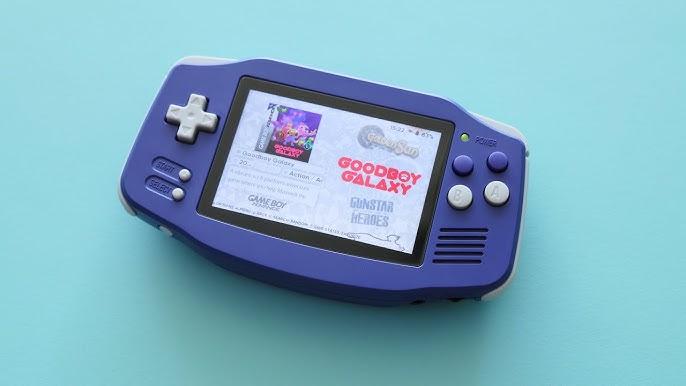
| Anbernic RG34XX | Horizontal (GBA shape) | 3.4" 720×480 | PS1 | $59.99 | Anbernic → |
| Anbernic RG40XX V | Vertical, larger | 4.0" 640×480 | PS1 | $95.99 | LitNXT → |
| Powkiddy RGB30 | Square | 4.0" 720×720 | PS1 | $99.99 | LitNXT → |
| Miyoo Mini Flip | Clamshell | 3.5" 640×480 | Same SoC | $75.99 | LitNXT → |
Two things this table makes obvious. First, the Miyoo Mini V4 is $4 cheaper console-only — $65.99, though it was out of stock on 23 September 2026 — with the same SSD202D at 1.2GHz, a smaller 2.8-inch panel at a higher 750×560 and a smaller 2,000mAh battery. It is a genuine size-versus-comfort choice, not a meaningful step down in price.
Second, the closest external competitor is the Anbernic RG34XX, currently $59.99 down from $69.99 on Anbernic's own store — cheaper, with a sharper 720×480 panel and H700-class silicon that gives it real headroom over the SSD202D. The Mini Plus wins on pocketability and on OnionOS maturity; the RG34XX wins on screen, ergonomics, raw capability and, right now, price. If PS1 matters to you, that gap is the whole argument.
Should you buy the Miyoo Mini Plus?
Yes if:
- You want the smallest credible retro handheld and will actually carry it
- You will install OnionOS
- Your library leans Game Boy through SNES and Genesis
- $66 is the right entry point
Skip it if:
- PS1 is the point — the reviewers do not agree it delivers, so buy headroom instead
- You want N64, PSP or Dreamcast — go to the Retroid Pocket 5
- You want a bigger screen — the RG40XX V is $95.99 with a 4-inch panel
- You have larger hands
- You want a clamshell — the Miyoo Mini Flip is $75.99
This is no longer the cheapest first retro handheld on this site — the Anbernic RG35XX undercuts it at $47.99 — and it is no longer the obvious default it was in 2023. But nothing else this small pairs a panel this good with firmware this mature. If pocketability is the priority, it is still the one to buy.
What other reviewers found
- XDA — Adam Conway, March 2024. Scored 9/10 and calls it "one of the best options available today". Most positive on the speaker ("quite loud with decent quality") and on PS1; flags slow charging, no Bluetooth audio, the missing clock and the size.
- Retro Dodo — Brandon Saltalamacchia, February 2023. Rates the D-pad "superb" and the shoulder buttons a real improvement, confirms 5–6 hours of battery, and calls it one of their favourite GBA handhelds. Notes the tight battery door and an OS that needed tinkering.
- RetroResolve — Wesley Copeland, December 2023. Scored 3.5/5. The dissenting voice: "easily the best budget handheld available" for 8- and 16-bit, but not recommended for PS1, with tearing and artifacting that needed reboots.
Check the Miyoo Mini Plus at LitNXT → — $69.99 console-only, in stock as of 23 September 2026.
Browse more in our Miyoo device guide or compare every handheld on the devices page.