Beginner's Guide to Retro Handheld Gaming
Welcome to the world of retro handheld gaming! This guide will help you understand everything you need to know to choose your first device.
What is a Retro Handheld?
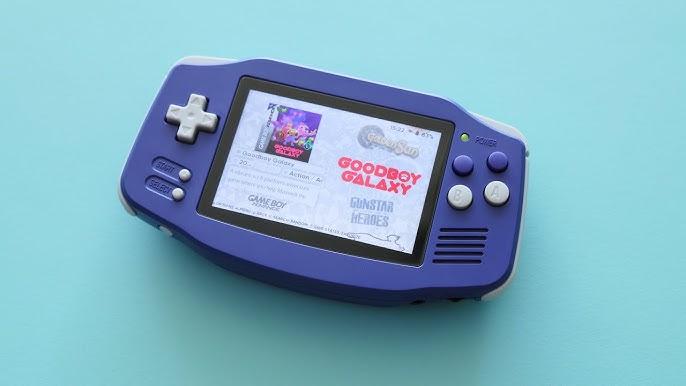
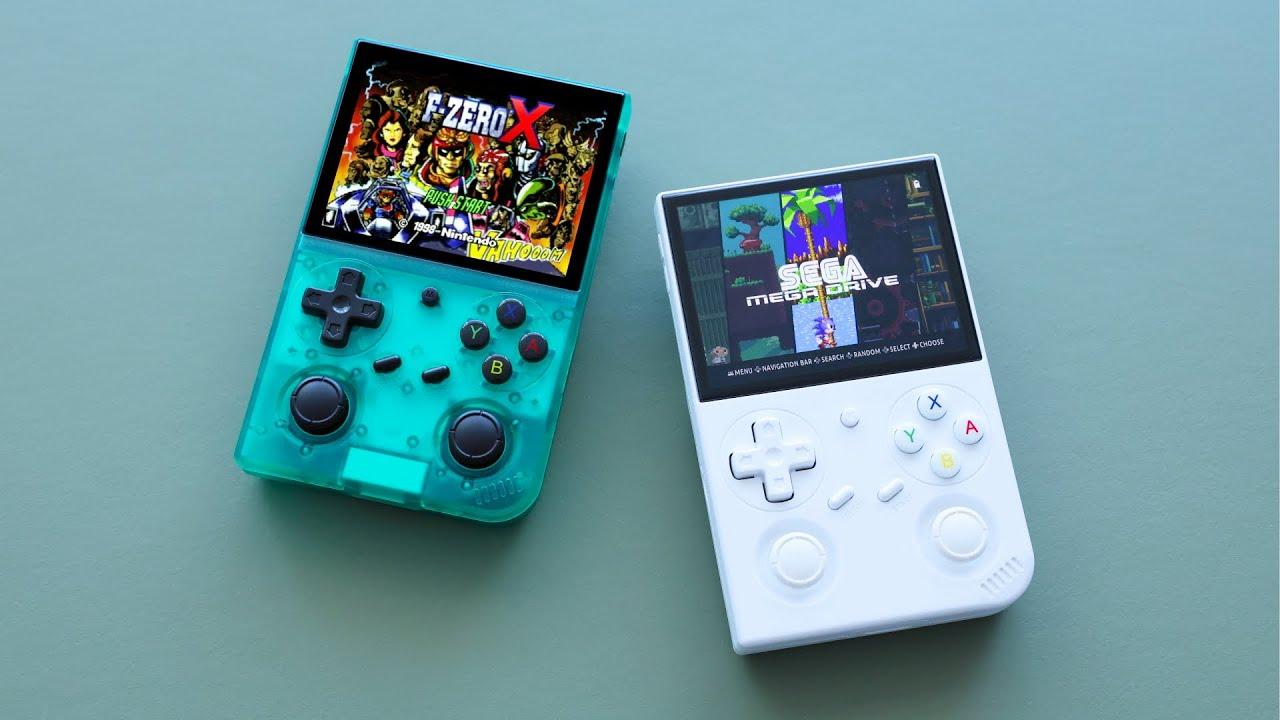
A retro handheld is a portable gaming device designed to play classic games from older consoles like NES, SNES, Game Boy, PlayStation 1, and more through emulation. These devices range from budget-friendly options under $50 to premium devices over $200.
Key Factors to Consider
1. Budget ($40 - $700)
Under $60: Perfect for Game Boy, NES, SNES, and Genesis games. Examples: Miyoo Mini Plus, Anbernic RG35XX
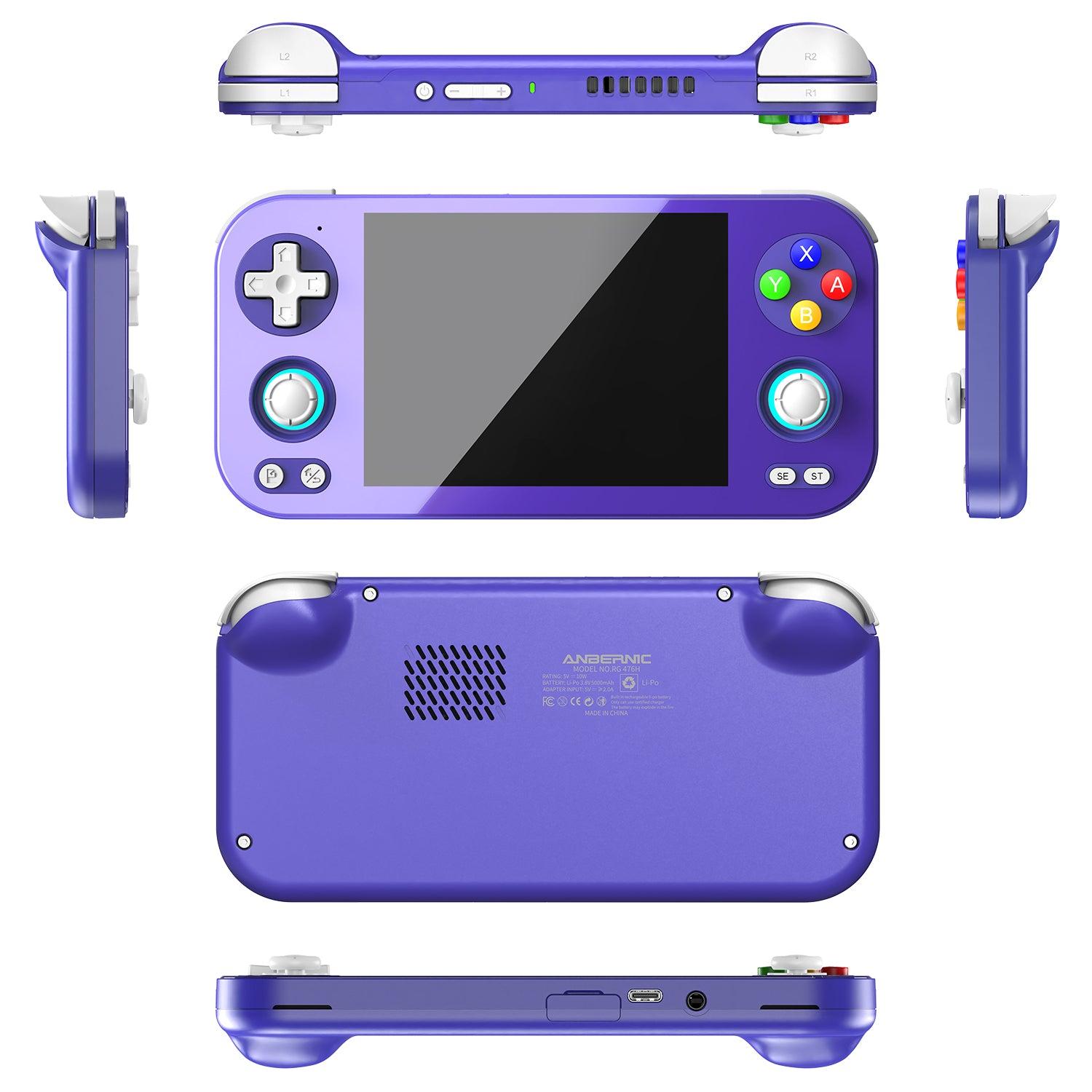
$100-$200: Handles PS1, PSP, and Dreamcast. Examples: Anbernic RG405M, Retroid Pocket 4 Pro
$200+: Can play GameCube, PS2, and even some Nintendo Switch games. Examples: Retroid Pocket 5, Steam Deck
⭐ Best Starter Device: Miyoo Mini Plus
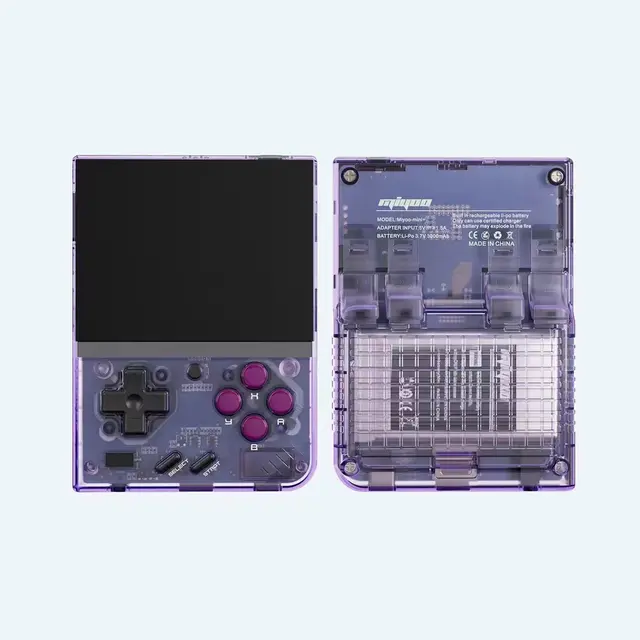
Miyoo Mini Plus - $69.99
At just $69.99, the Miyoo Mini Plus is the perfect first retro handheld. It runs OnionOS (incredibly easy to use), has WiFi for ROM transfers, plays everything from Game Boy to PS1 perfectly, and fits in your pocket. This is the device we recommend to every beginner - no exceptions.
Buy Miyoo Mini Plus →2. Screen Size
3.2-3.5": Ultra portable, fits in any pocket. Great for Game Boy games.
4-4.5": Sweet spot for most retro systems. Good balance of portability and visibility.
5"+: Better for more powerful systems and newer emulators.
3. Systems You Want to Play
8-bit & 16-bit (NES, SNES, Genesis): Any device will handle these perfectly. These classic pixel art games look stunning on modern handheld displays.
Game Boy Advance: All devices, but 3.5" screens are ideal. Check out our guide to the best pixel art games for GBA recommendations.
PlayStation 1: Need at least mid-range devices ($80+)
PSP, Dreamcast: Require higher-end devices ($150+)
GameCube, PS2: Need premium devices ($200+)
4. Operating System
OnionOS/GarlicOS: Simple, beginner-friendly, focused on retro gaming
Android: More versatile, can play modern games, steeper learning curve
Linux-based: Most customizable but requires technical knowledge
Our Top Pick for Beginners
Miyoo Mini Plus ($69.99) - Perfect balance of price, performance, and portability. Plays everything up to PS1 beautifully and fits in your pocket. Comes with OnionOS for easy setup.
Getting Started Checklist
- ✅ Choose your budget
- ✅ Decide which systems you want to emulate
- ✅ Pick a device with the right screen size for you
- ✅ Get a good microSD card (128GB or 256GB recommended)
- ✅ Learn about legal ROM acquisition
- ✅ Join the community for support
Common Mistakes to Avoid
- Buying too powerful too soon: Start with a mid-range device to learn the basics
- Ignoring screen size: Small screens are portable but harder to see
- Cheap SD cards: Invest in a quality card for better performance
- Not reading reviews: Some devices have better build quality than others
- Expecting perfect emulation: Even expensive devices have limitations