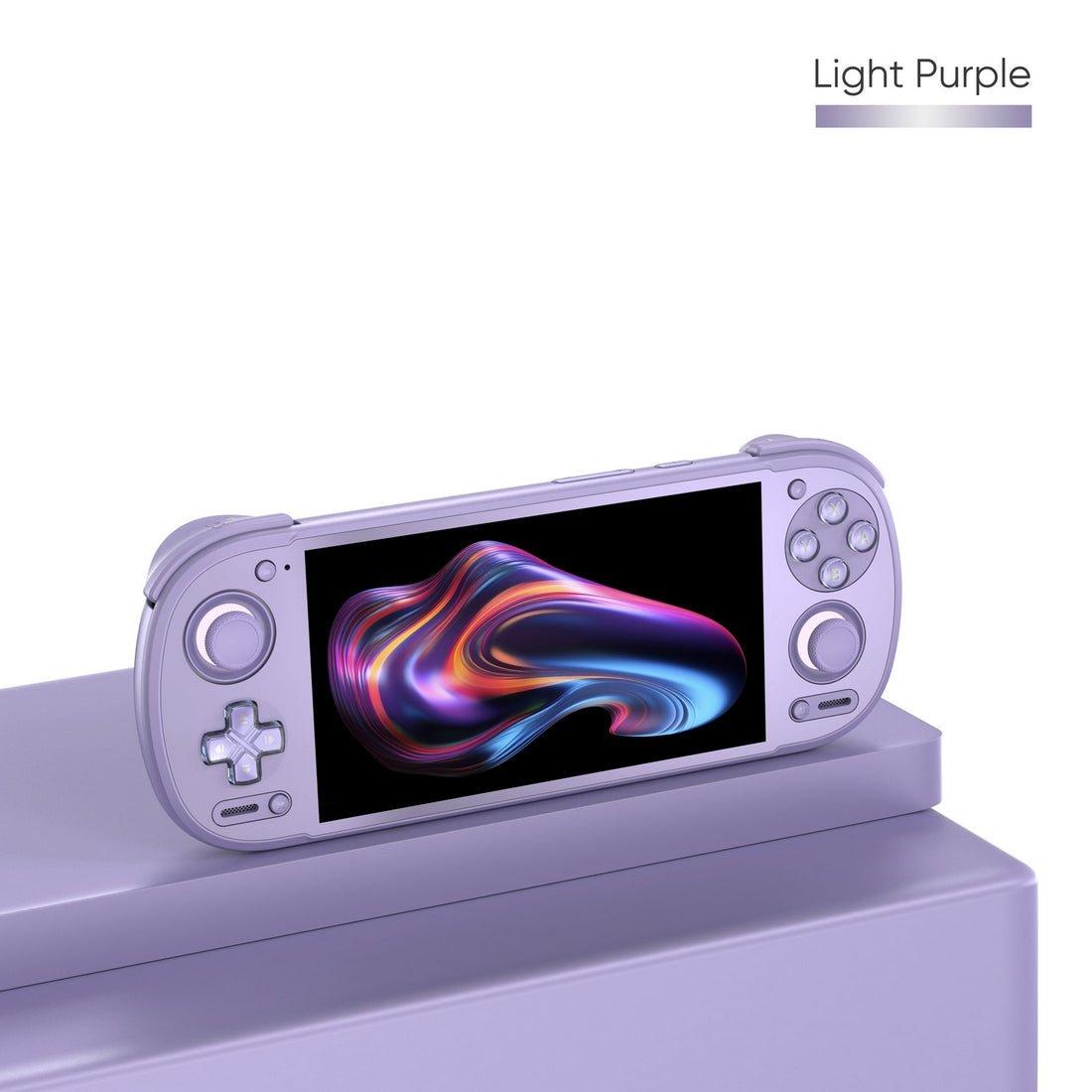
Retro Handheld Emulation Performance Guide
Updated October 2026
Not all retro handhelds can play all systems. NES, SNES, Genesis, Game Boy and GBA run on everything here. PS1 needs a mid-range Linux handheld to be safe. PSP and Dreamcast need a stronger chip, and GameCube, PS2 and 3DS need an Android handheld. This guide breaks down emulation performance system by system, so you know which device you need for your favorite games.
Tier 1: Universal Systems (All Devices Handle These)
✅ NES / Famicom
Minimum Device: Any retro handheld ($35+)
Performance: Perfect on all devices, 60fps locked
Notes: Even the cheapest budget device runs NES flawlessly. No need to overspend.
✅ Game Boy / Game Boy Color
Minimum Device: Any retro handheld ($35+)
Performance: Perfect on all devices
Recommended Screen: 3.2-3.5" for authentic feel
Best Device: RG34XX or Miyoo Mini Plus (perfect aspect ratio)
✅ SNES / Super Famicom
Minimum Device: Any retro handheld ($35+)
Performance: Perfect on all devices
Notes: Even demanding games like Star Fox and Super FX chip games run great. The SNES library includes many of the best pixel art games ever created.
✅ Sega Genesis / Mega Drive
Minimum Device: Any retro handheld ($35+)
Performance: Perfect on all devices
Notes: Sega CD games also work great on budget devices.
✅ Game Boy Advance
Minimum Device: Any retro handheld ($35+)
Performance: Perfect on all devices, 60fps
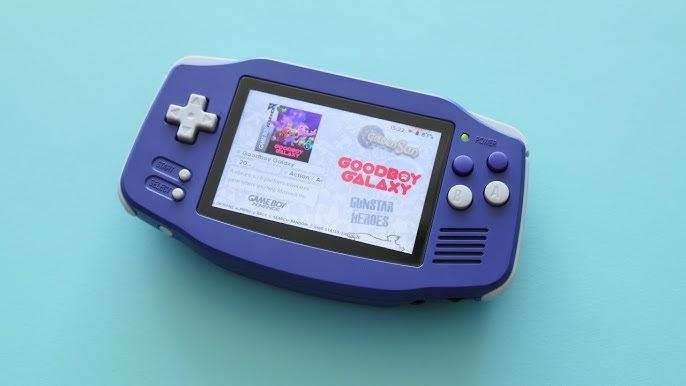
Recommended Screen: 3.5" matches GBA aspect ratio perfectly
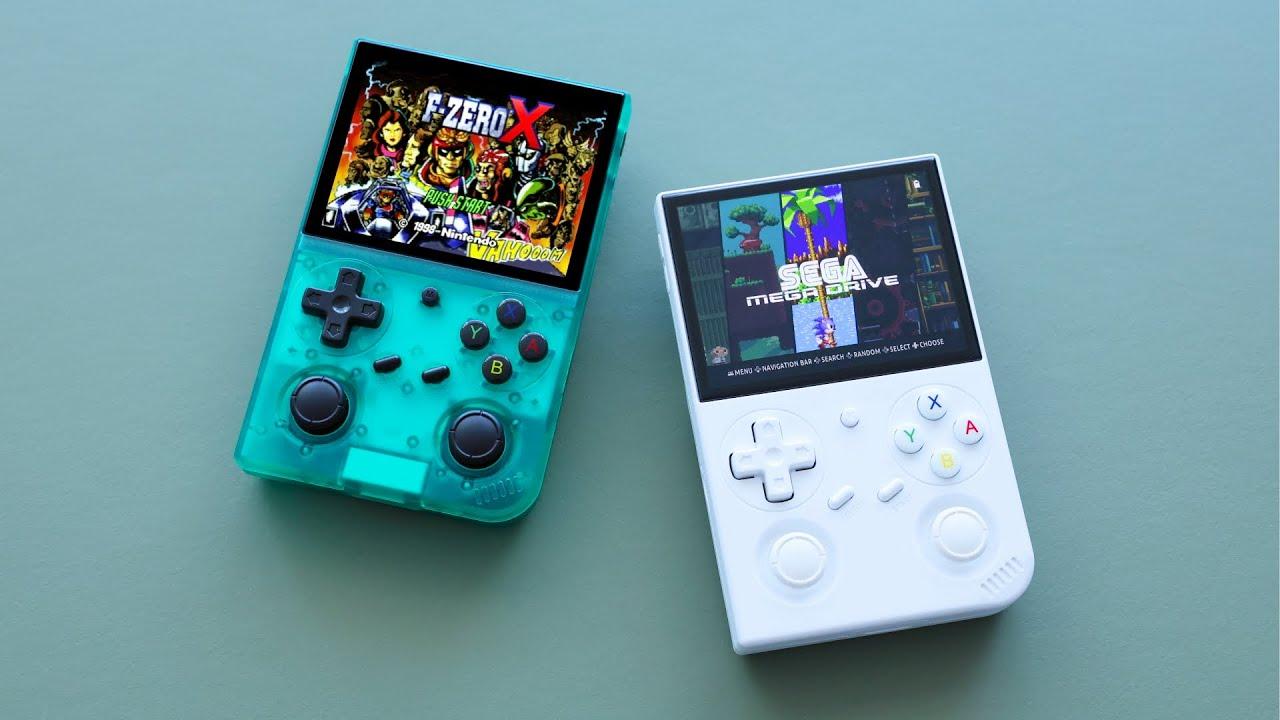
Best Devices: RG34XX, RG35XX (Game Boy-inspired designs)
Game Recommendations: Check out our list of the best GBA games and the best pixel art games for GBA picks. For Pokémon, see our Pokémon handheld guide.
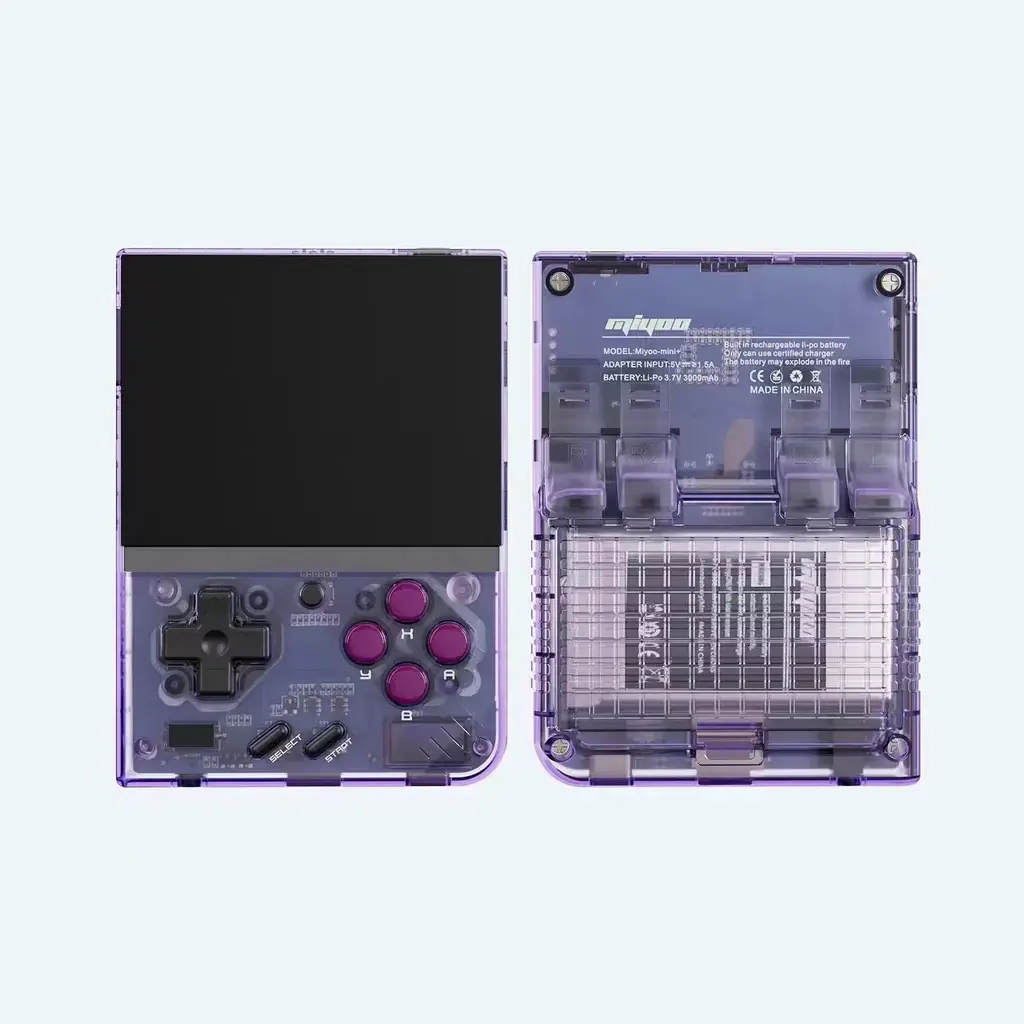
💰 Best Budget All-Rounder: Miyoo Mini Plus
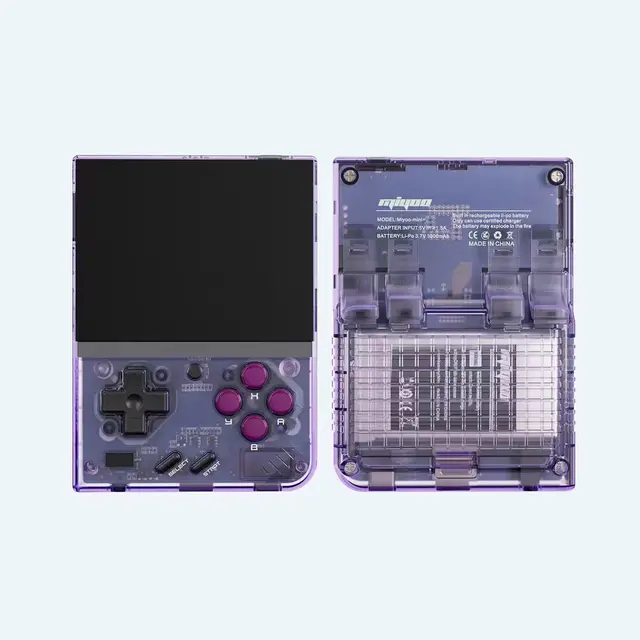
Miyoo Mini Plus - $79.99
Plays all Tier 1 systems at full speed: NES, SNES, Genesis, Game Boy and GBA. The 3.5-inch screen suits these classic systems, and Onion OS makes setup simple. If you only play these systems, don't spend more. Cheaper still, the original Anbernic RG35XX is $38.59. See our best retro handhelds under $100.
Buy Miyoo Mini Plus →Which Firmware Do These Handhelds Run?
The Linux handhelds in Tiers 1 and 2 run community firmware. The Miyoo Mini Plus uses Onion OS, TrimUI devices use NextUI or CrossMix OS, and newer Anbernic models such as the RG34XX and RG40XX V use muOS or Knulli. The firmware does not raise the performance ceiling set by the chip, but it decides how easy the handheld is to use. Our operating systems guide compares them, including Onion OS vs GarlicOS.
Tier 2: Mid-Range Systems (Need $80+ Devices)
⚠️ PlayStation 1
Budget Devices ($35-$80): Most games playable, some slowdown on demanding titles
Mid-Range ($80-$150): Perfect performance on entire library
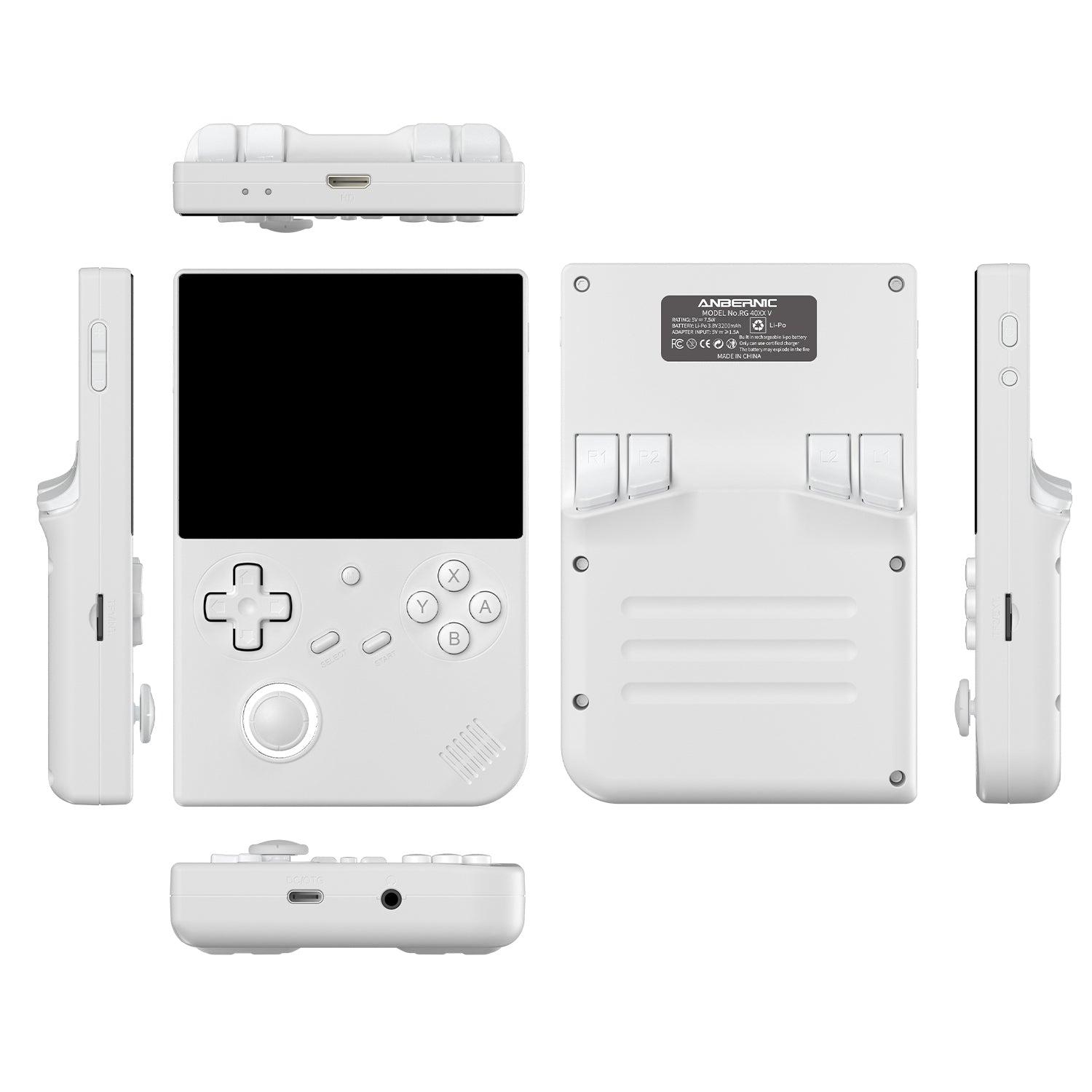
Best Devices: Trimui Smart Pro, RG40XX V
Challenging Games: Tekken 3, Gran Turismo, Ridge Racer may need mid-range
⚠️ Nintendo 64
Reality Check: N64 emulation is inconsistent even on expensive devices
Mid-Range: Popular games (Mario 64, Zelda OoT) run well
Premium ($200+): Better compatibility but still not perfect
Notes: N64 emulation is notoriously difficult. Expect quirks.
Tier 3: Premium Systems (Need $150+ Devices)
❌→✅ PSP (PlayStation Portable)
Budget Devices: Won't run PSP at all
Mid-Range ($80-$150): Some games playable with slowdown
Premium ($150-$300): Excellent performance on most games
Best Devices: RG405M, RG406V, Trimui Smart Pro (decent), Retroid Pocket 5
Notes: 3D-heavy games like God of War need premium devices. The emulator is PPSSPP.
❌→✅ Sega Dreamcast
Budget Devices: No chance
Mid-Range: Many 2D games playable, 3D games struggle
Premium: Good performance on most games
Best Devices: RG405M, RG406V, Retroid Pocket 5
Notes: Dreamcast emulation has improved dramatically in recent years
❌→✅ Nintendo DS
Budget/Mid-Range: Basic 2D games only
Premium Android: Full library playable
Best Devices: RG406V, Retroid Pocket 5, or a dual-screen handheld
Notes: Dual-screen layout works better on larger screens. Our dual-screen handheld roundup compares the models built for DS and 3DS, including the Anbernic RG DDS ($284.99, pre-order).
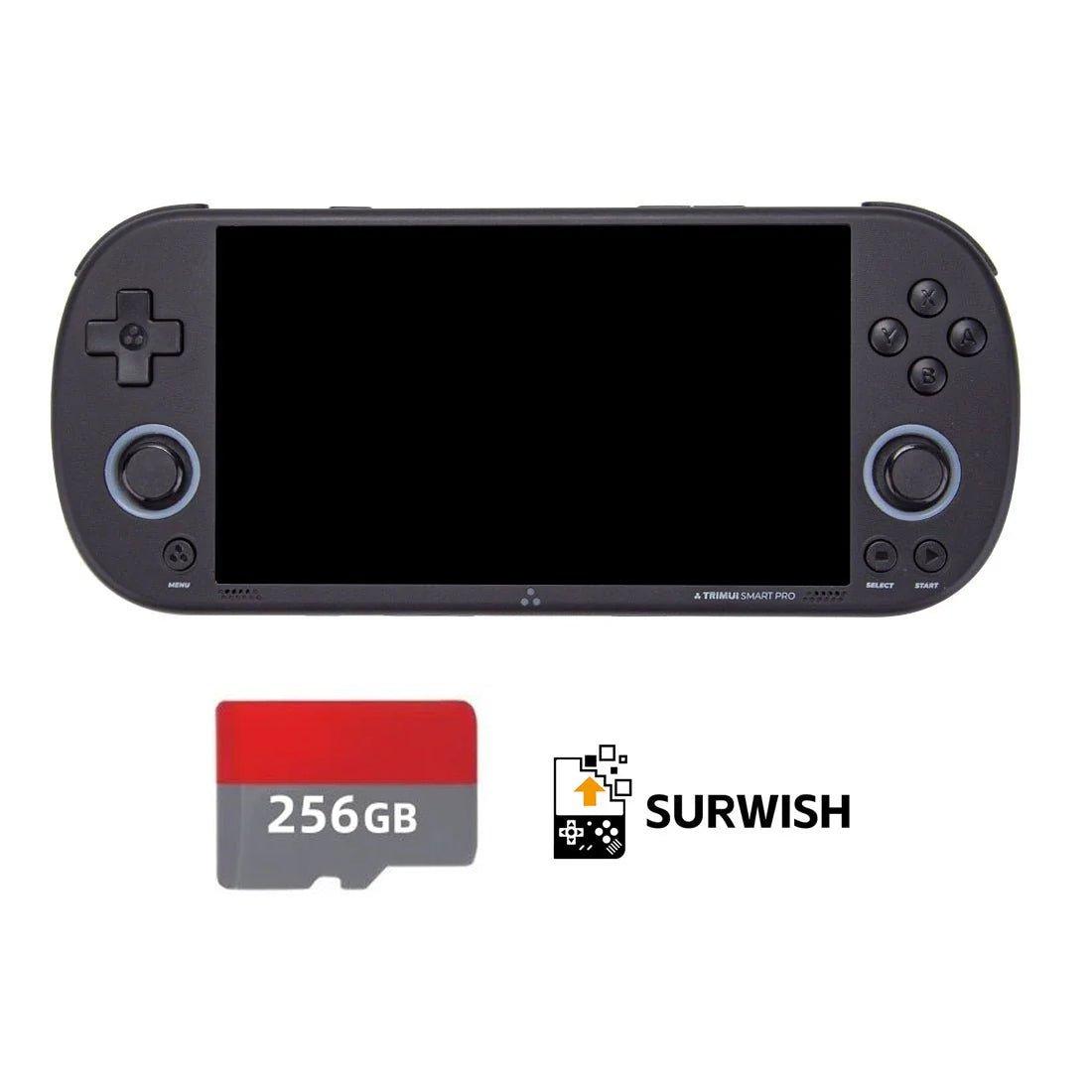
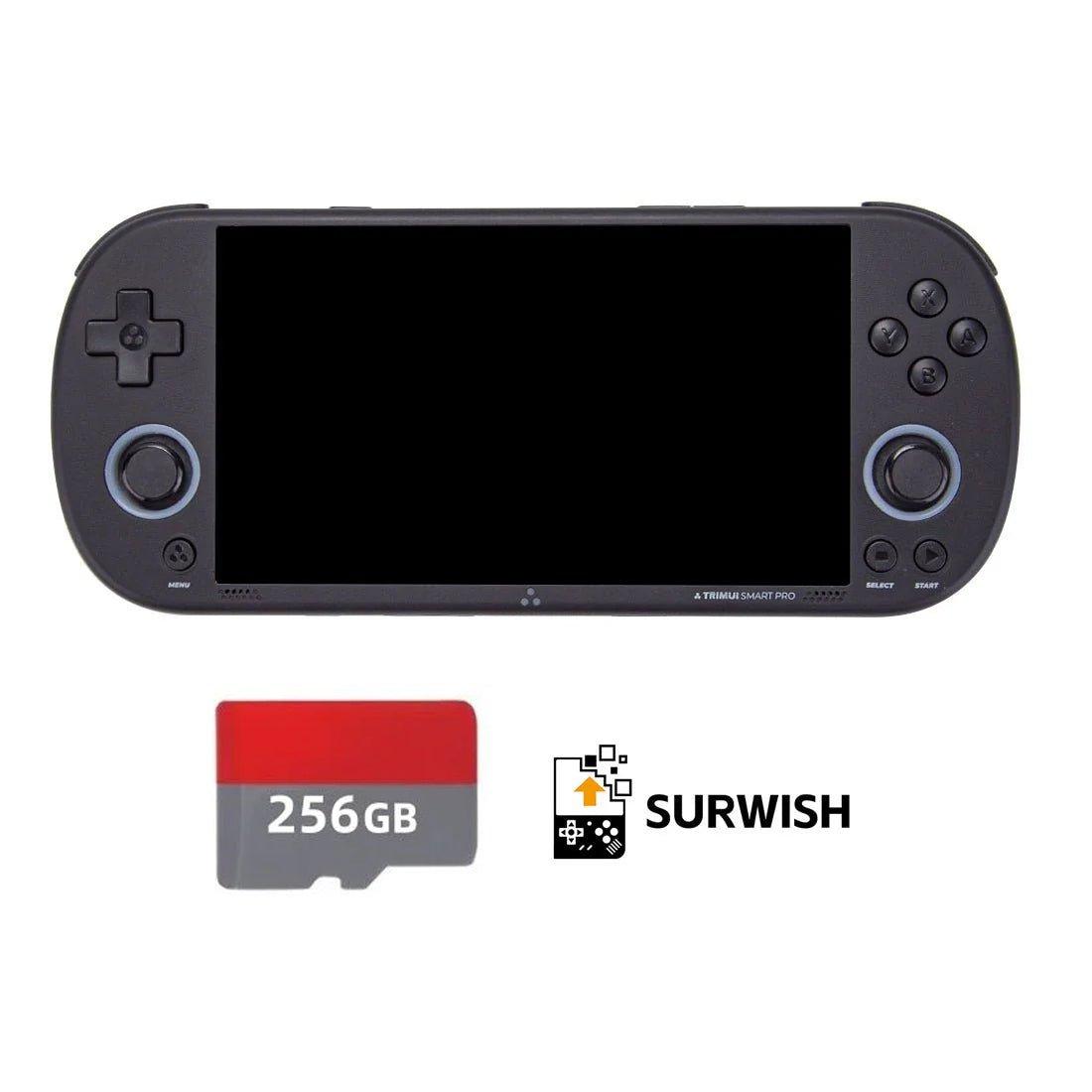
⚡ Best Mid-Power Device: Trimui Smart Pro

Trimui Smart Pro - $89.99
The sweet spot for PS1 and moderate PSP performance. It is a 4.96-inch handheld that handles the PS1 library, plays many PSP games well (2D games especially), and costs under $100. Our listing says it handles everything up to Dreamcast and PSP with CrossMix OS. Perfect if you don't need GameCube or PS2. The Anbernic RG40XX V ($95.99) is the vertical alternative for PS1.
Buy Trimui Smart Pro →Tier 4: Premium-Only Systems (Need $200+ Devices)
❌ GameCube (Nintendo)
Minimum Device: Android devices at $200+ (RG406V, Retroid Pocket 5)
Performance: Most first-party games run at 30-60fps with tweaking
Best Devices: RG406V, Retroid Pocket 5, Retroid Pocket 6, Steam Deck
Challenging Games: F-Zero GX, Rogue Squadron still struggle
Notes: Requires the Dolphin emulator on Android. Expect to tweak settings per game. See our best handhelds for GameCube emulation.
❌ PlayStation 2
Minimum Device: Android devices at $200+ (RG406V minimum)
Performance: Varies greatly by game (2D games better than 3D)
Best Devices: Retroid Pocket 5, Retroid Pocket 6, Steam Deck
Playable Games: Kingdom Hearts, FFX, Persona 4, 2D fighters
Challenging Games: God of War, Gran Turismo, Shadow of Colossus
Notes: The most demanding system on this list to emulate. Lower expectations. The common Android PS2 emulator is NetherSX2, the community fork that replaced AetherSX2 after its developer stopped updates in early 2023. The published reviews we summarise in our Retroid Pocket 5 review say PS2 works with per-game configuration, not out of the box.
❌ Nintendo 3DS
Minimum Device: Android devices at $200+
Performance: Good on premium devices, many games run well
Best Devices: Retroid Pocket 5 (larger screens help with dual-screen layout), or a dual-screen Android handheld
Notes: Battery drain is significant. Requires Android and the Azahar emulator. Azahar is the fork that took over from Citra, whose official development ended in March 2024.
❌ Nintendo Switch
Minimum Device: One of the newest Snapdragon 8-class Android handhelds
Best Devices: Retroid Pocket 6 ($429.99), a Snapdragon 8 Gen 2 handheld that our catalogue lists for Switch and PS2
Notes: Switch is a different league from the rest of this guide. Check game-by-game results on video before you buy.
🚀 Best Value Premium Emulation: Retroid Pocket 5
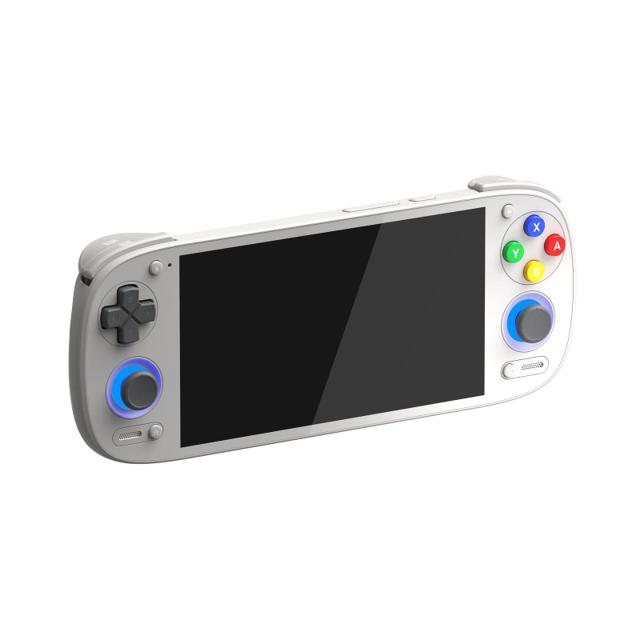
Retroid Pocket 5 - $259
The Retroid Pocket 5 is a 5.5-inch Android handheld for PSP, Dreamcast and GameCube emulation, and it stretches to PS2 with per-game tuning. The cheaper Anbernic RG406V ($239.99) is the vertical alternative with a 4-inch OLED screen, and the Retroid Pocket 6 ($429.99) is the step up when you want the most headroom.
Buy Retroid Pocket 5 →Complete System-by-System Chart
| System | Budget ($35-$80) | Mid-Range ($80-$150) | Premium ($150-$430+) |
|---|---|---|---|
| NES | ✅ Perfect | ✅ Perfect | ✅ Perfect |
| SNES | ✅ Perfect | ✅ Perfect | ✅ Perfect |
| Genesis | ✅ Perfect | ✅ Perfect | ✅ Perfect |
| Game Boy / GBC | ✅ Perfect | ✅ Perfect | ✅ Perfect |
| Game Boy Advance | ✅ Perfect | ✅ Perfect | ✅ Perfect |
| PlayStation 1 | ⚠️ Most games | ✅ Perfect | ✅ Perfect |
| Nintendo 64 | ❌ No | ⚠️ Some games | ⚠️ Most games |
| PSP | ❌ No | ⚠️ Some 2D games | ✅ Most games |
| Dreamcast | ❌ No | ⚠️ Some games | ✅ Most games |
| Nintendo DS | ❌ No | ⚠️ Simple games | ✅ Most games |
| GameCube | ❌ No | ❌ No | ⚠️ Many games |
| PlayStation 2 | ❌ No | ❌ No | ⚠️ Some games |
| 3DS | ❌ No | ❌ No | ⚠️ Many games |
| Nintendo Switch | ❌ No | ❌ No | ⚠️ Newest chips only |
✅ = Perfect (full speed), ⚠️ = Varies (some games work), ❌ = Not playable
Understanding the Performance Tiers
Why Budget Devices Can't Play Everything
Budget devices use entry-level processors designed for low power consumption and cost. While these chips handle 8-bit and 16-bit systems perfectly (those systems are 30+ years old), they lack the power for 32-bit and beyond. It's a hardware limitation, not a software problem.
The PS1 Performance Gap
PS1 sits in an interesting middle ground. Budget devices CAN play it, but performance varies by game. 2D games (Final Fantasy Tactics, Castlevania SotN) run perfectly. 3D racing games and fighters may drop frames. For $20 more, mid-range devices eliminate all PS1 performance issues.
Why GameCube/PS2 Need Premium Devices
GameCube and PS2 emulation requires fast CPUs, strong GPUs, and optimized emulators (Dolphin and NetherSX2). Only Android devices with modern processors can handle this. Even then, not every game runs perfectly - expect 30-45fps on many titles instead of the original 60fps.
Specific Game Recommendations
If You Want to Play...
Pokémon (GB/GBC/GBA): Miyoo Mini Plus or RG34XX
Final Fantasy (SNES/PS1): Trimui Smart Pro or RG40XX V
Sonic (Genesis/Dreamcast): RG405M or RG406V (for Dreamcast)
Mario (NES/SNES/N64/GC): RG406V or Retroid Pocket 5 (for GameCube)
Castlevania (NES/SNES/PS1): Any mid-range device
Metal Gear Solid (PS1/PS2): Retroid Pocket 5 or Steam Deck (for PS2)
God of War (PS2/PSP): Retroid Pocket 5, Retroid Pocket 6 or Steam Deck
Kingdom Hearts (PS2): RG406V, Retroid Pocket 5, or Retroid Pocket 6
Performance Optimization Tips
Getting Better Performance:
- Lower resolution: Run PS1 at 1x instead of 2x
- Disable enhancements: Turn off filters and smoothing
- Use recommended emulators: Some emulators perform better than others
- Frame skip: Enable frame skip on demanding games
- Close background apps: On Android, kill other apps before gaming
- Use fast SD cards: Class 10 / UHS-I minimum for best loading
The Honest Truth About Emulation
Don't expect miracles. Even a $639 Steam Deck can't play every PS3 game perfectly. Emulation is impressive but has limits. Research specific games you want to play before buying, and check YouTube for real-world performance videos of those games on specific devices. Our best handheld emulator comparison is a good next read.
Our Performance Recommendations
For 8-bit & 16-bit Only:
Miyoo Mini Plus ($79.99) or Anbernic RG35XX ($38.59) - Don't overspend
For PS1 Perfection:
Trimui Smart Pro ($89.99) - Best PS1 device under $100
For PSP & Dreamcast:
Anbernic RG405M ($117.99) or Anbernic RG406V ($239.99) - Excellent performance
For GameCube & PS2:
Anbernic RG406V ($239.99) - Vertical, with a 4-inch OLED screen
Retroid Pocket 5 ($259) - Larger screen, slightly better compatibility
Retroid Pocket 6 ($429.99) - Newest chip, the most headroom
For Everything Including Modern Games:
Steam Deck ($639) - Plays PC games and emulates up to the PS3 and Xbox 360 generation
Frequently Asked Questions
What is the cheapest handheld that plays PS1 well?
Mid-range Linux handhelds in the $90 to $100 band, such as the Trimui Smart Pro and the Anbernic RG40XX V, are the cheapest we recommend for the whole PS1 library. Budget devices play most PS1 games, but demanding 3D titles can drop frames. NES, SNES, Genesis, Game Boy and GBA run on any handheld in this guide.
Which handheld can play GameCube and PS2 games?
You need an Android handheld. The Anbernic RG406V, the Retroid Pocket 5 and the Retroid Pocket 6 are the three we list for GameCube and PS2. GameCube runs on Dolphin and PS2 runs on NetherSX2, and heavy PS2 games need per-game tweaking even on premium devices.
Which emulators do Android handhelds use now?
Dolphin for GameCube and Wii, PPSSPP for PSP, NetherSX2 for PS2 and Azahar for 3DS. NetherSX2 is the community fork that replaced AetherSX2, which stopped receiving updates in early 2023. Azahar replaced Citra, whose official development ended in March 2024.
Can a budget Linux handheld play PSP or Dreamcast?
Not reliably. Budget chips handle systems up to the PS1 and Game Boy Advance. PSP and Dreamcast need a mid-range device such as the Trimui Smart Pro for lighter games, or an Android handheld such as the Anbernic RG405M for most of the library.
Does the firmware change how well games run?
The chip sets the ceiling, and the firmware sets how easy the handheld is to use. Onion OS, muOS, Knulli, NextUI and CrossMix OS all run on Linux handhelds that top out around PS1 and light PSP games. GameCube, PS2 and 3DS need Android. Our operating systems guide covers which firmware fits which handheld.