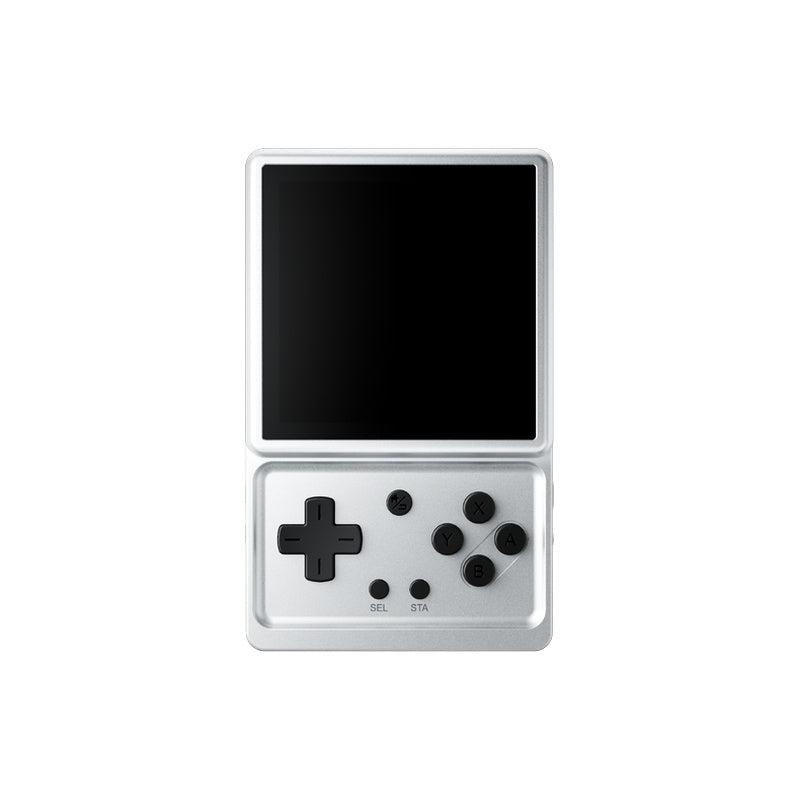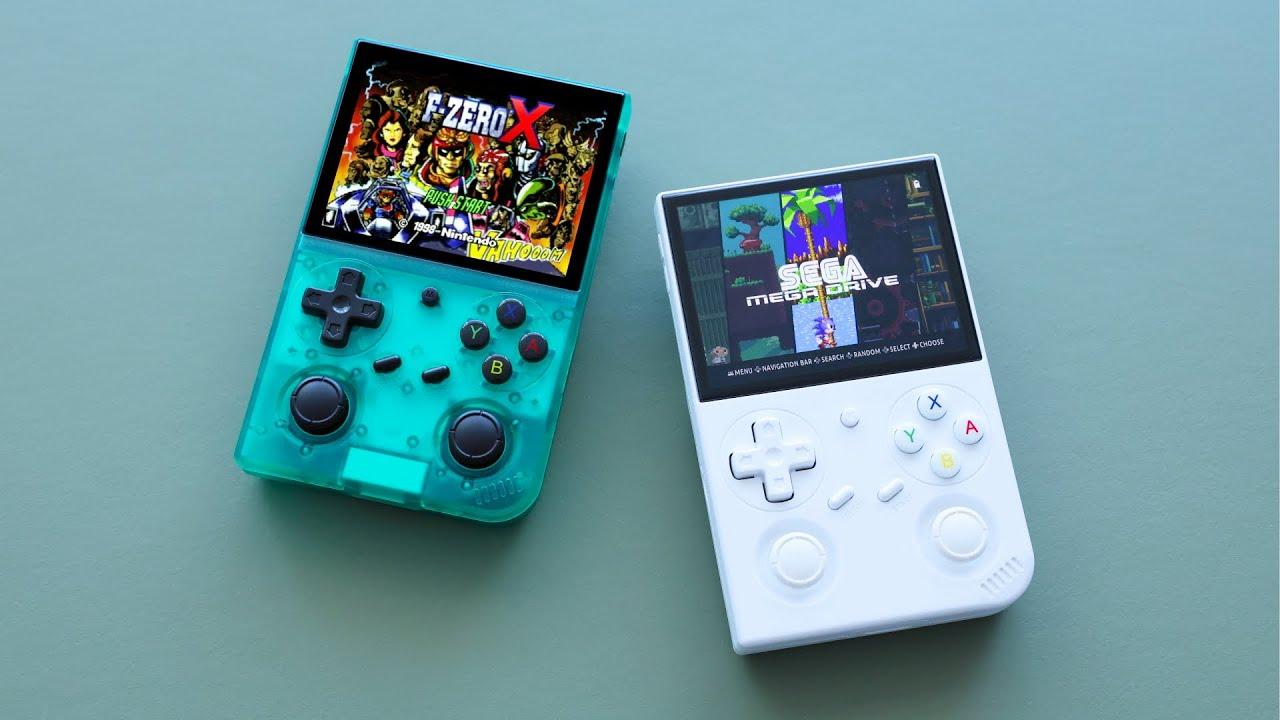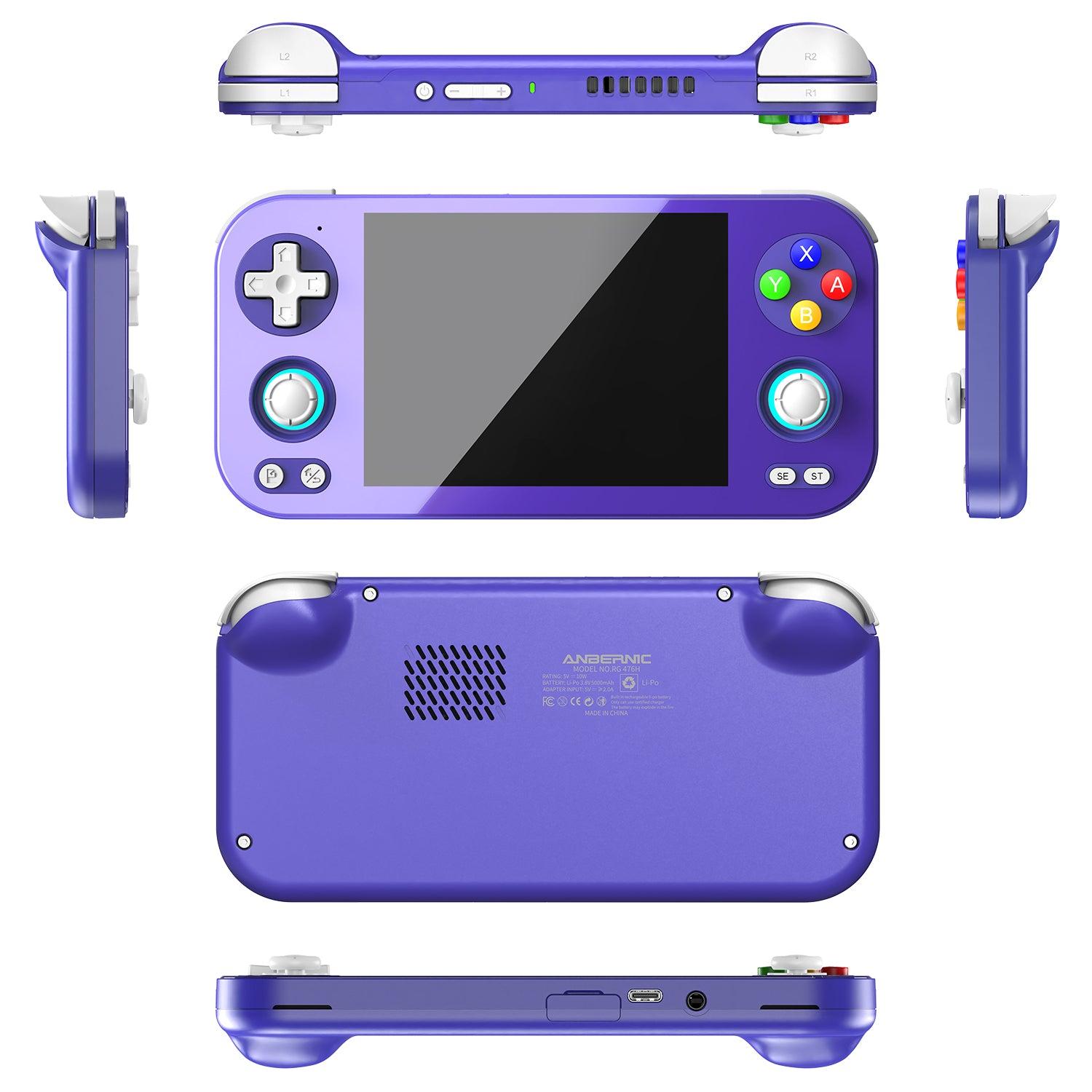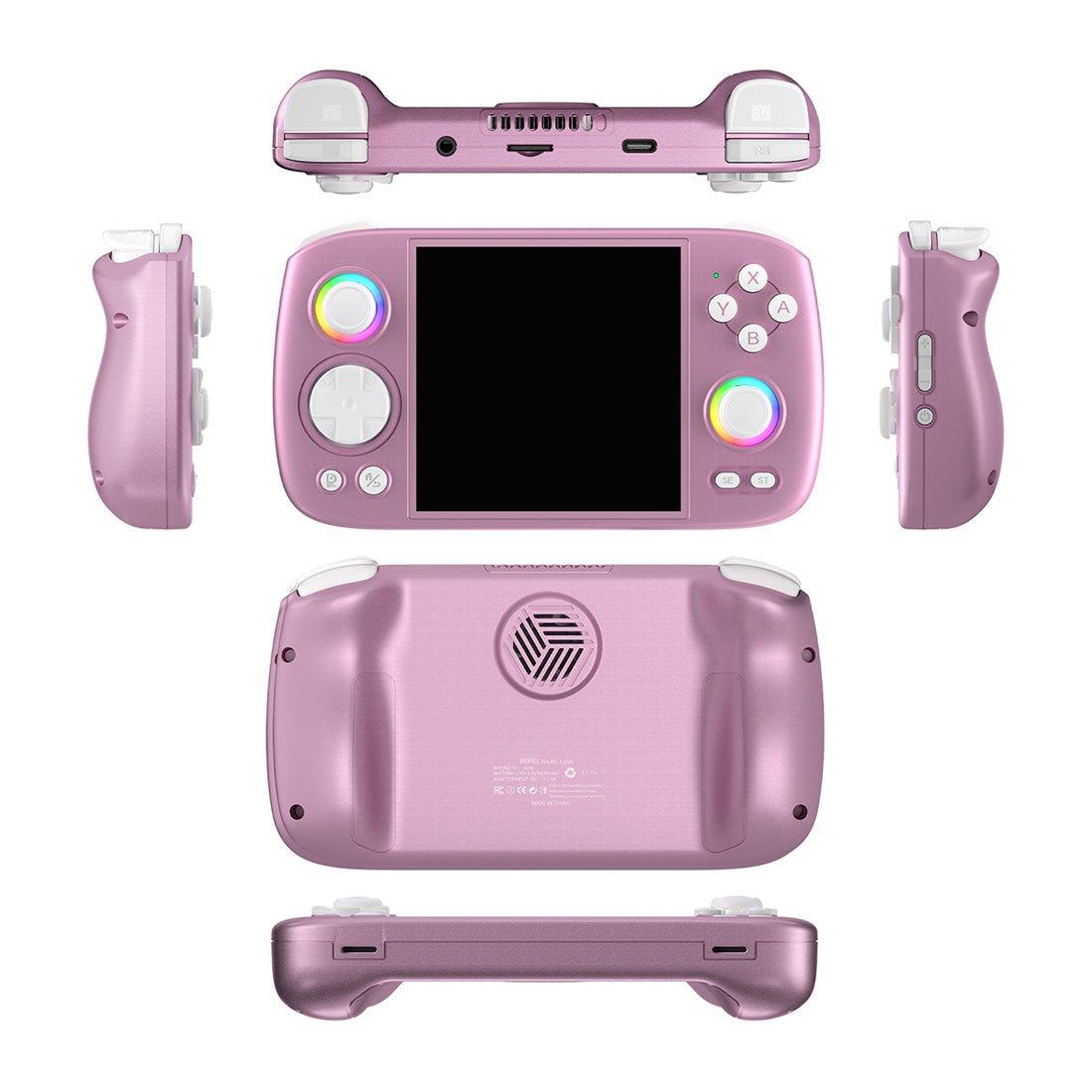
The Anbernic RG Cube is the square-screen handheld with real Android horsepower behind it. A 3.95-inch 720x720 IPS panel, a Unisoc T820, hall-effect sticks and triggers, and Android 13 — the argument is that a 1:1 screen matches the shape of most retro consoles' output, and that Android gives you emulators the Linux square handhelds cannot run.
A note on sourcing: we have not had one of these on the bench. Everything evaluative below is attributed to the outlets that did test one, and every specification and price comes from the retailer's own listing, checked on 22 August 2026.
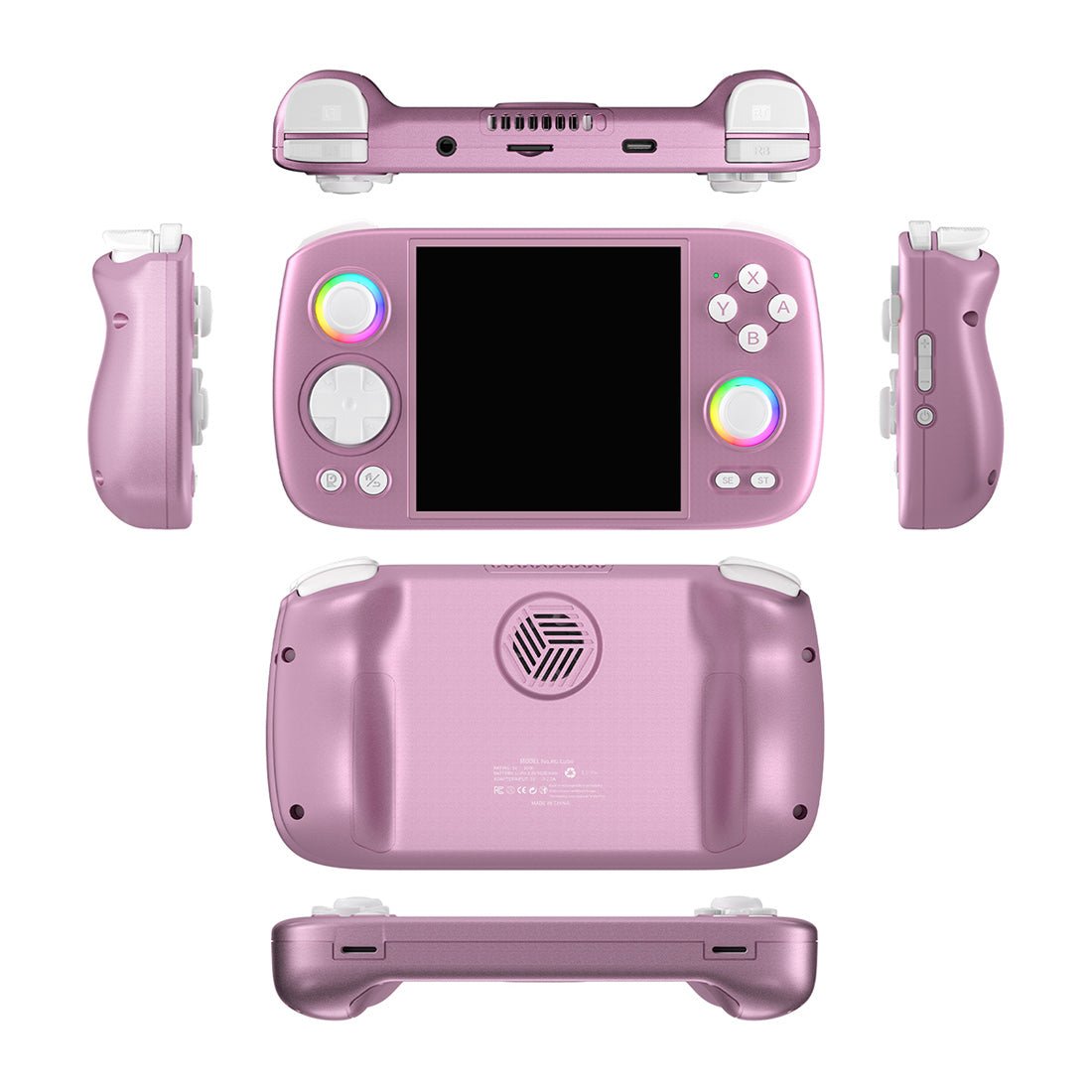
Price: $209.99 console-only at LitNXT for the Gray, Transparent Black and Beige finishes, verified 9 September 2026. The $199.99 Purple listing is a pre-sale and still reads sold out, so $209.99 is the cheapest configuration you can actually order. Bundles with a preloaded card run $239.99 to $259.99. Any current discount code is shown on LitNXT's own listing — confirm price and stock before you plan around them.
Quick verdict
What it is: a 3.95-inch, 720x720 square Android 13 handheld built on the Unisoc T820, with hall sticks, hall triggers, 8GB of RAM, active cooling and a 5,200mAh battery.
Who it's for: anyone whose library is Game Boy, GBC, NES, SNES, Genesis, arcade, Neo Geo Pocket or PS1, who also wants the Android emulator ecosystem rather than a fixed Linux front end.
Who should skip it: anyone playing mostly widescreen content. Both reviews below are blunt that 16:9 games arrive inside heavy black bars, and one of them stopped using it for PSP entirely because of it.
The catch: at $209.99 it now costs more than it did when it was reviewed — and it was already being called overpriced then.
Specifications
Taken from the LitNXT product listing, 22 August 2026.
| Feature | Details |
|---|---|
| CPU | Unisoc T820, 6nm, octa-core — 1x A76 @ 2.7GHz, 3x A76 @ 2.3GHz, 4x A55 @ 2.1GHz |
| GPU | Mali-G57, quad-core, 850MHz |
| RAM | 8GB LPDDR4X |
| Storage | 128GB UFS 2.2, plus TF card expansion to 512GB |
| Screen | 3.95-inch IPS, 720x720, 1:1 aspect, OCA full lamination |
| OS | Android 13 |
| Controls | Hall joystick, hall trigger, six-axis gyroscope, vibration motor |
| Cooling | High-speed fan and heat-pipe cooling |
| Connectivity | Wi-Fi 802.11a/b/g/n/ac (2.4/5GHz), Bluetooth 5.0, USB-C with 1080p DisplayPort out |
| Battery | 5,200mAh, 7 hours claimed, ~3 hour charge |
| Size / weight | 15.3 x 8.6 x 1.8cm, 260g |
| Price | $209.99 console-only |
Two corrections this page previously had wrong: the Wi-Fi is 802.11ac (Wi-Fi 5), not Wi-Fi 6, and the GPU is a Mali-G57, not the Mali-G52 that sits in the Rockchip-based square handhelds. The silicon here is Unisoc, not Rockchip.
What the reviews agree on
The two most detailed English-language reviews of the Cube were published within a fortnight of each other, and they line up almost exactly on the things that matter.
Retro Handhelds's Ban put the emulation ceiling plainly: everything Dreamcast and below is "going to be a non-issue". Retro Dodo's Brandon Saltalamacchia, scoring it 8/10, reached the same conclusion from the other direction — excellent through the 8- and 16-bit systems, arcade and Neo Geo Pocket, strong on GBA, good on PS1, and Dreamcast that "looks beyond beautiful" on the panel.
Both were also positive on the shape of the thing. Retro Dodo called it "one of ANBERNIC's most comfortable handhelds to date", crediting the centralised layout that lets your hands rest naturally. Retro Handhelds described it as "a really compact little bugger" — narrower than a Retroid Pocket 4 Pro, though thicker and, at 260g, noticeably heavier than square rivals like the RGB30 (205g).
Both singled out the shoulder buttons as a highlight. Retro Handhelds liked the "stacked shoulders where the triggers actually feel like they have proper motion"; Retro Dodo called them a favourite, firm with good travel and fine grip detailing. On the D-pad they agree too — a dished, full-circle pad that Retro Handhelds found accurate enough for platformers to make it their preferred input on the device.
| System | What reviewers report |
|---|---|
| Game Boy / GBC | Excellent — near-native fit on a 1:1 panel |
| NES / SNES / Genesis | Excellent, full speed |
| Arcade / Neo Geo Pocket | Excellent, and a natural home for vertical boards |
| GBA | Strong |
| Nintendo DS | Works well, with the two screens stacked vertically |
| PS1 | Good across the library |
| Dreamcast | The high point of the 3D systems |
| N64 / GameCube | Title-dependent; the big ones struggle |
| PS2 | Frame-rate drops on demanding games |
| PSP | Runs, but the letterboxing makes it a poor fit |
Where the reviews disagree: how far past Dreamcast it goes
This is the one genuine split, and it is the split that decides whether $209.99 is defensible.
Retro Handhelds is the optimistic read: "most PS2 and Gamecube will do well at 1x resolution", with some GameCube running happily at 2x scale. Retro Dodo is the cautious one, reporting that larger GameCube titles struggle and that the more intense PS2 games take frame-rate hits rather than running cleanly.
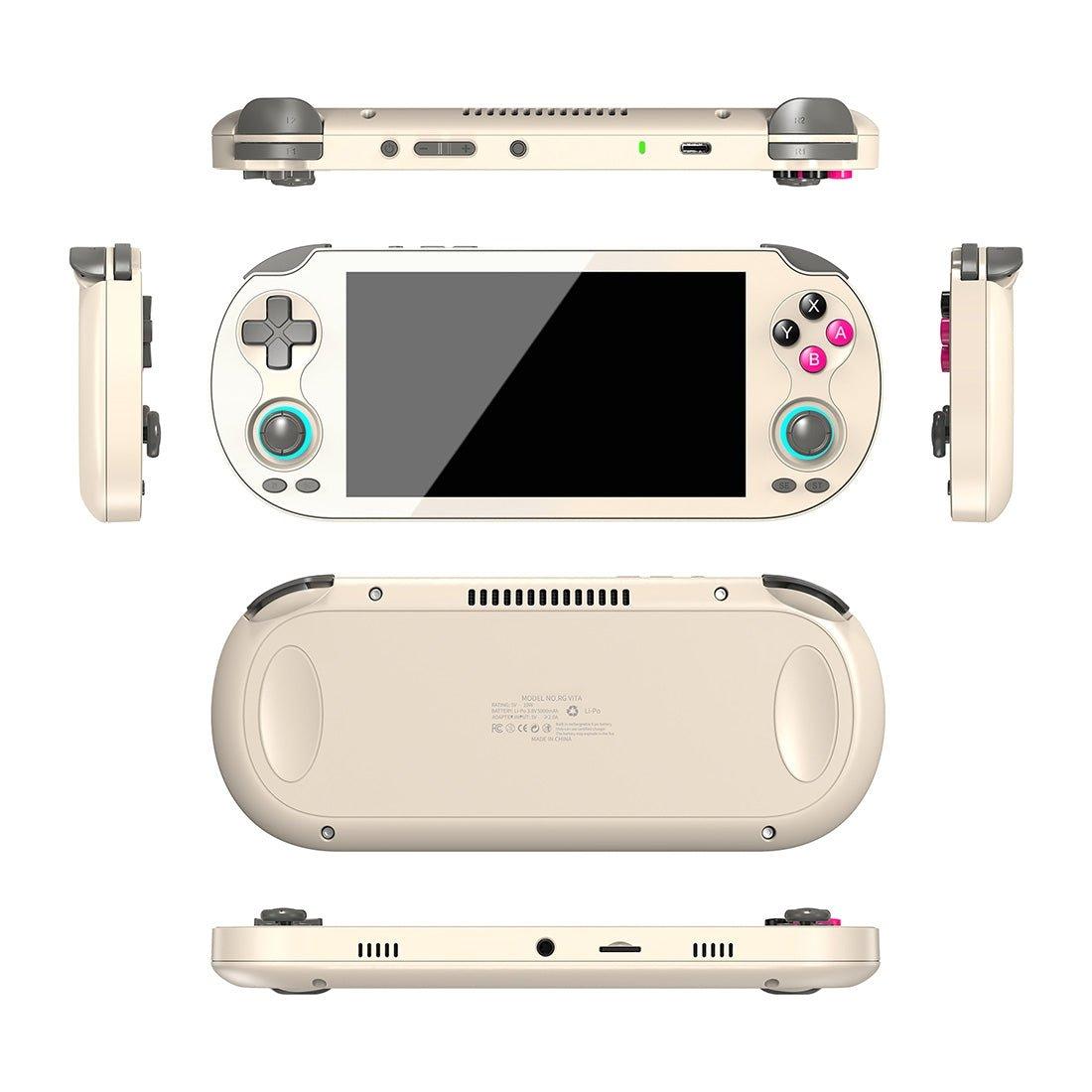
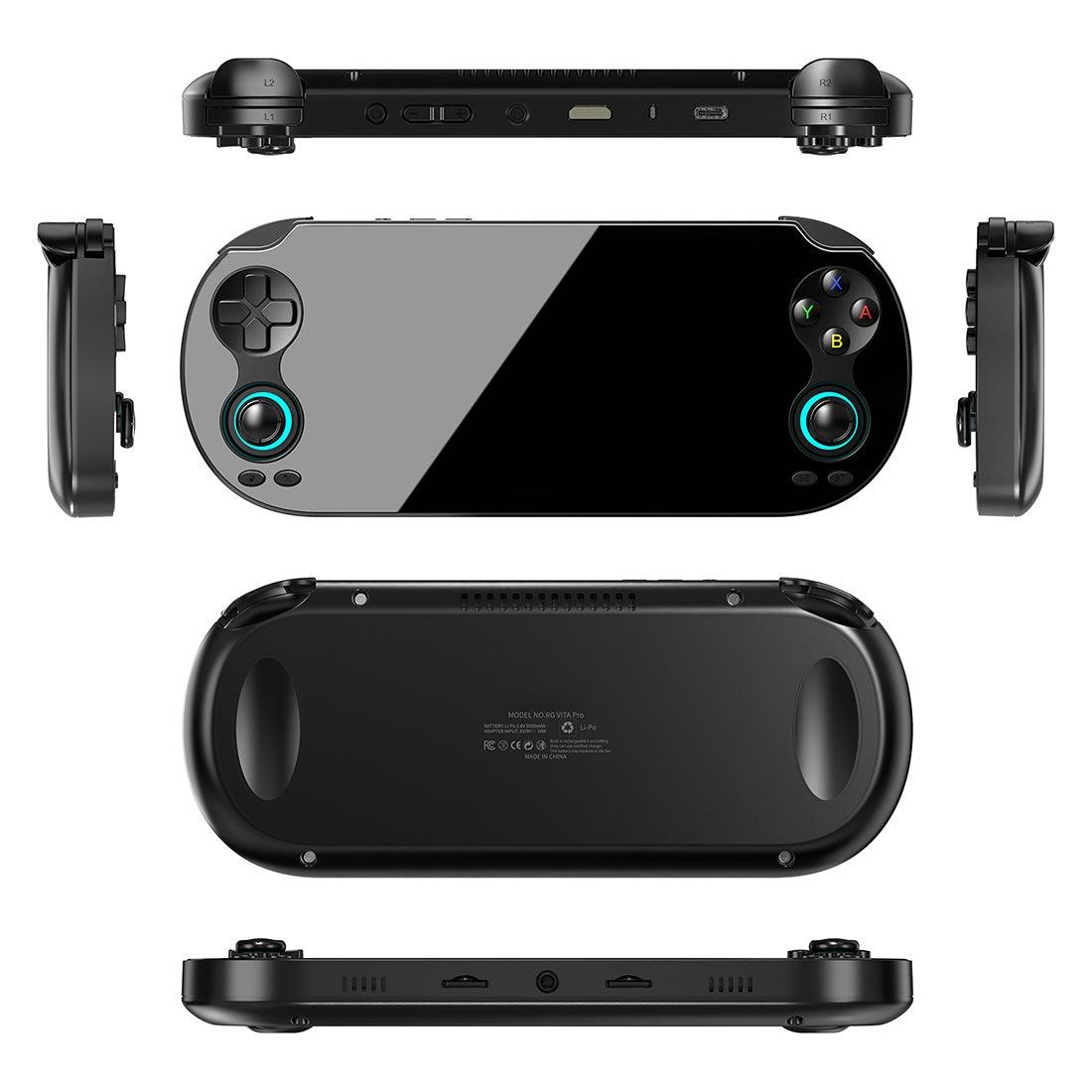
Reconciling the two: the T820 is quick enough to boot sixth-generation games and quick enough to run the lighter half of those libraries, but not quick enough to make PS2 or GameCube a reason to buy. Treat Dreamcast as the honest ceiling and anything above it as a bonus that depends on the individual game. If PS2 is the point of the purchase, the Anbernic RG VITA Pro is the more sensible spend.
They also part company on the software. Retro Dodo found the bundled installation launcher genuinely useful — it preloads the major emulators with the controls already mapped, which removes the usual first-evening chore. Retro Handhelds thought the custom launcher was unnecessary and would rather have been left with plain Android. Both are reasonable; it is Android 13 underneath either way, so you are free to ignore the launcher entirely.
Worth flagging on that point: Android 13 shipped in 2022, and the Cube is still on it in 2026. Nothing here depends on a newer release, but it is not a current build.
The screen is the whole argument
Retro Dodo described the panel's colours as "incredibly saturated" and bright enough to hold up outdoors. Retro Handhelds rated it great for Game Boy, Game Boy Color and vertical arcade games. Neither had a bad word for the display itself.
The geometry is the trade, and both were direct about it. Widescreen content arrives with, in Retro Dodo's phrasing, "large black borders" — the effective image shrinks to roughly a 3-inch window on 16:9 material, which is why they advise against the Cube for PSP and cloud streaming. Retro Handhelds put it in practical terms: they simply did not play much Switch streaming or PSP on it because of the bars.
The maths behind that is worth understanding before you buy, because it tells you whether the shape works for your library:
- Game Boy / GBC: 10:9 — effectively square, fills the panel.
- NES: 8:7 — very close to square.
- SNES / Genesis: 4:3 — small bars top and bottom.
- Arcade: mostly 4:3, and vertical boards (Donkey Kong, Pac-Man, vertical shmups) are the format's best case.
- PSP / most modern content: 16:9 — heavy letterboxing.
If 60% or more of your library sits in the first four rows, the square panel is a genuine upgrade over a phone-shaped screen. If it does not, you are paying for a feature that costs you screen area.
The Neo Geo is the clearest case for the shape. Its 320x224 output wastes very little of a square panel, and the sprite work in Metal Slug 3 and Samurai Shodown II is exactly the sort of detail this display shows off — our Neo Geo picks are a good shortlist to load first.
The two complaints that show up in both reviews
The analog sticks. The listing specifies a hall joystick, and neither outlet reported drift — but both criticised the range of motion. Retro Dodo found the sticks fluid but noted they "touch the edges of the case", with limited travel that makes the input snap slightly toward eight directions. Retro Handhelds was harsher, comparing them to Switch-style sticks with a "low range of motion" and concluding "we deserve something better" at this price. For 2D libraries the D-pad carries the device and this barely matters; for N64 and Dreamcast games that lean on analog precision, it does.
Screen light bleed. Both reviews hit it. Retro Handhelds reported first-batch units shipping with screen bleeding and advised contacting Anbernic for a replacement front plate rather than living with it — explicitly not "something to just ignore". Retro Dodo saw "light bleed on one of my devices" and described it as a known problem that varies in severity between units. Two independent reviewers finding the same defect is a quality-control pattern, not bad luck. Check the panel against a dark screen inside your return window.
One smaller note from Retro Dodo: the face buttons have a high-gloss finish that they found got sweaty over long sessions. Cosmetic, but real.
Battery life
Anbernic quotes 7 hours from the 5,200mAh cell. Retro Dodo reported 6+ hours in use, which is close enough to make the claim credible rather than marketing. Retro Handhelds listed the capacity without putting a runtime to it. Six hours of 2D and PS1 play is a fair expectation; heavier 3D emulation with the fan running will land under that.
That fan is worth noting on a device this size — active cooling plus heat-pipe is unusual in a 260g handheld, and it is what lets the T820 hold its clocks in the Dreamcast-and-above range where it is working hardest.
Pros and cons
Pros:
- A 720x720 panel both outlets rate highly, with saturated colour and good outdoor brightness
- Comfortable, centralised layout — Retro Dodo's "most comfortable ANBERNIC to date"
- Stacked hall triggers with genuine travel, praised in both reviews
- Android 13 opens up the full emulator ecosystem, not a fixed Linux front end
- Flawless through 2D, arcade and PS1; Dreamcast is a real high point
- Active cooling, 8GB RAM, gyro, vibration and 1080p DisplayPort out
Cons:
- Light bleed reported by both reviewers — a QC pattern worth checking on arrival
- Analog stick range criticised in both reviews, at odds with the price
- Widescreen content loses most of the panel; PSP is effectively off the menu
- PS2 and larger GameCube titles are inconsistent, not a selling point
- Wi-Fi 5, not Wi-Fi 6, and still on Android 13 in 2026
- $209.99 is a lot next to square Linux handhelds at half the money
How it compares
Prices and stock verified at LitNXT on 22 August 2026; the RG Rotate figure comes from Anbernic's own store the same day.
| Device | Screen | Form | Best for | Price | Buy |
|---|---|---|---|---|---|
| RG Cube (this device) | 3.95" 720x720 IPS | Square Android 13 | Square panel + Android emulators | $209.99 | LitNXT → |
| Powkiddy RGB30 | 4.0" 720x720 IPS | Square Linux | Square on a budget — sold out on 22 Aug | $99.99 | LitNXT → |
| Powkiddy RGB20SX | 4.0" 720x720 IPS | Square Linux | Square with dual sticks, mid-budget | $89.99 | LitNXT → |
| MINILOONG Pocket 1 | 4.0" 960x720 IPS 4:3 | Open-source Linux | Modular panels, retro purists | $99.99 | LitNXT → |
| Anbernic RG Rotate | 3.5" 720x720 IPS | Swivel Android 12 | Vertical/horizontal hybrid | $79.99 | Anbernic → |
The comparison that matters is the Powkiddy RGB30: the same 720x720 square idea at $99.99, on a Rockchip RK3566 running JELOS Linux. It stops at PS1 and it has no hall inputs. The Cube's roughly $110 premium buys Android, hall sticks and triggers, 8GB of RAM, DisplayPort out and a Dreamcast-capable chip. That is a real gap in capability — whether it is a $110 gap depends entirely on whether you will use Android and Dreamcast.
It is also worth knowing that the square-Android niche is not a monopoly, whatever this page used to claim. The RG Rotate runs Android on the same 720x720 resolution in a smaller 3.5-inch swivel body for well under half the price, and Anbernic's own RG CubeXX puts the Cube's panel size on Linux and the Allwinner H700 for far less again. The Cube's distinction is horsepower, not shape.
Should you buy the Anbernic RG Cube?
Yes if most of your library is 4:3 or square-native, you want Android's emulator ecosystem rather than a Linux front end, Dreamcast matters to you, and you will actually use the DisplayPort output for docked play.
No if you play mostly widescreen or 3D content, if PS2 or GameCube is the goal, or if you want the square-screen experience for as little as possible — the RGB30 and RGB20SX deliver the shape for less than half the price.
The value question is the honest sticking point. Retro Dodo scored it 8/10 while calling it overpriced at the $169.99 it launched into, arguing $99-$119 would have been the right number for what is a deliberately niche device. It now lists at $209.99. Nothing about the hardware has got worse — the panel is still excellent and the ergonomics are still the best of Anbernic's square attempts — but the gap between what it does and what it costs has widened rather than closed since the reviews were written. Buy it because you specifically want a fast square Android handheld, not because you expect it to be good value.
What other reviewers found
- Retro Handhelds — Ban, June 2024. Positive on the shell, the D-pad and the stacked triggers; the most optimistic read on PS2 and GameCube; harshest on the analog sticks; first to flag the screen bleeding on early units.
- Retro Dodo — Brandon Saltalamacchia, July 2024. Scored 8/10. Rates it Anbernic's most comfortable handheld, confirms 6+ hours of battery and the light-bleed issue, more cautious on sixth-generation performance, and unconvinced by the price.
Check the Anbernic RG Cube at LitNXT → — $209.99 console-only as of 22 August 2026.
Want more options? Browse our full Anbernic device guide or compare every handheld we cover on the devices page.