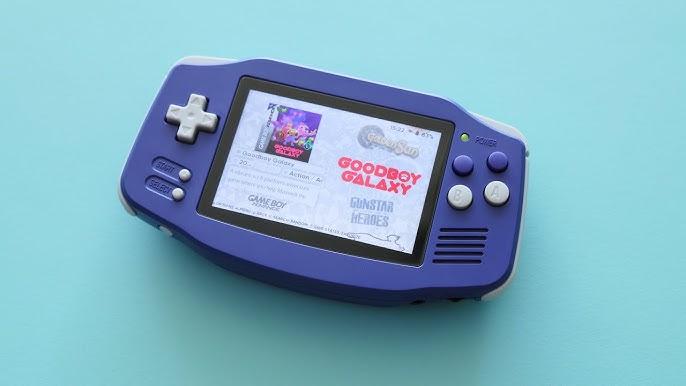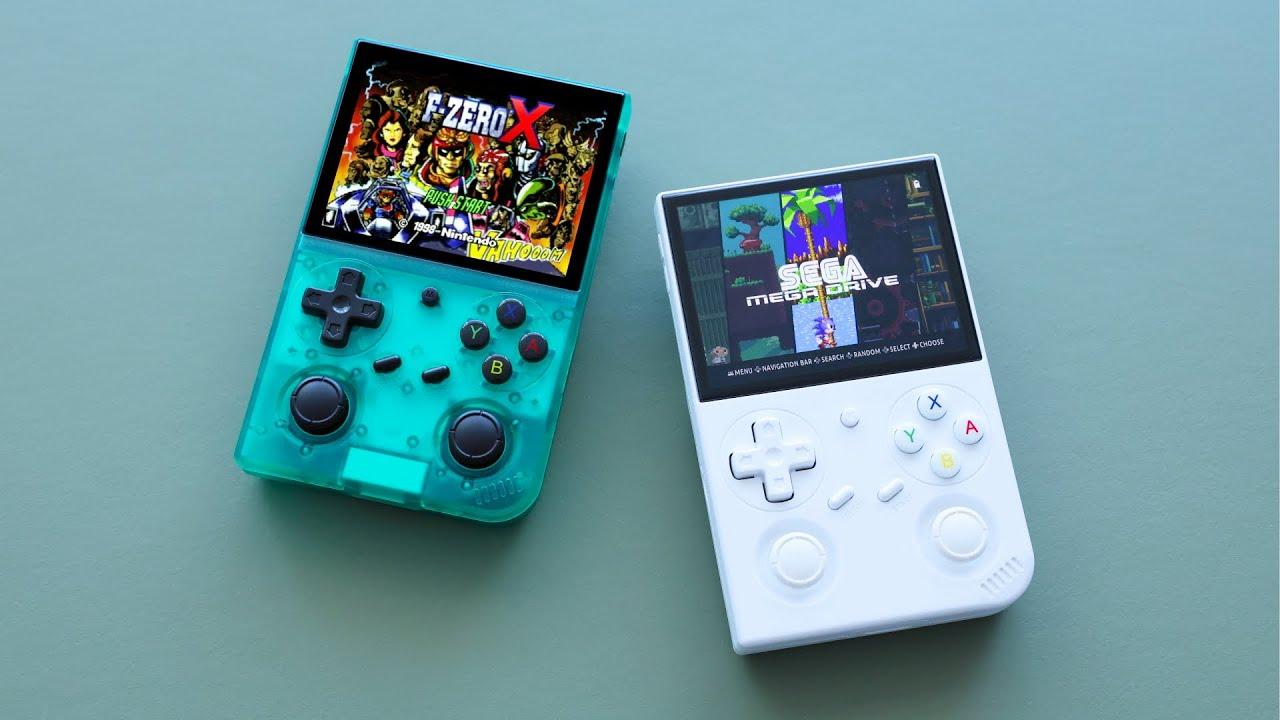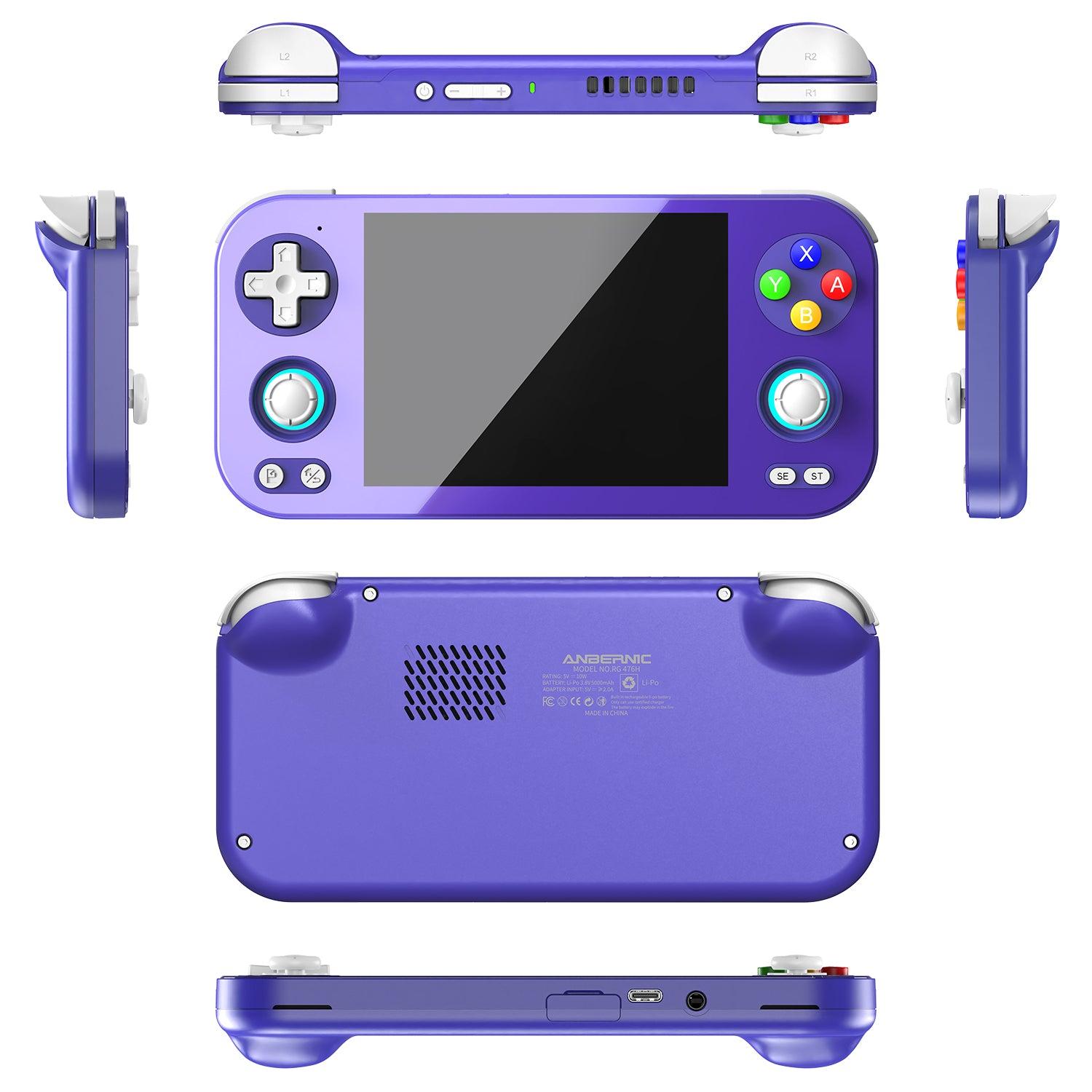
The Nintendo Entertainment System (NES) revolutionized the gaming world when it was released, and it remains a treasure trove of creativity and charm that continues to inspire modern indie developers. In this post, we will explore five NES games that not only pushed the boundaries of gameplay and design for their time but also paved the way for the indie-style games we love today. All five play well on a modern handheld such as the Powkiddy RGB30, so let's dive into these nostalgic titles that feel remarkably ahead of their time.
This list was fact-checked on 27 September 2026. One entry, EarthBound, was removed because it is a Super NES game, not an NES one; the section near the bottom explains what changed.
The Guardian Legend
The Guardian Legend is the NES game that most resembles a modern indie genre-blender. Compile developed it (Broderbund published it in North America in April 1989; in Japan it was Guardic Gaiden), and it alternates between two completely different games. On the surface of the alien world Naju you explore a top-down labyrinth as a humanoid guardian, solving small puzzles and finding the way into sealed areas. Step into one of its 21 corridors and the guardian transforms into a ship for a vertically scrolling shoot 'em up. Ten of those corridors hold the safety devices you must destroy to set off the planet's self-destruct sequence. Tying it together is a single resource, the power chip, which is both the ammunition for your secondary weapons and the currency you spend on upgrades. Mixing two genres around one shared economy is exactly the kind of design small studios lean on today, and IGN placed the game at #87 in its Top 100 NES games.
Castlevania III: Dracula's Curse
Castlevania III: Dracula's Curse is a masterpiece that demonstrates the potential of non-linear gameplay. This title allows players to choose their path through the game, a mechanic that many modern indie games have adopted. The deep, atmospheric levels are filled with challenging enemies and intricate design that keeps players engaged. The ability to switch between characters, each with unique abilities, adds a layer of strategy that enhances the replayability factor. The combination of haunting music and gothic visuals creates an immersive experience that is still celebrated in the gaming community.
Mega Man 2
Mega Man 2 is often hailed as one of the best platformers of its time and a significant influence on the indie gaming scene. Its tight controls, iconic boss battles, and colorful graphics set a standard for action-platforming games. The unique weapon system, where players can acquire abilities from defeated bosses, introduces an element of strategy and customization that many modern games have embraced. The level design is expertly crafted, providing a perfect balance of challenge and accessibility, making it a staple in any retro gaming collection.
DuckTales
DuckTales is a shining example of how licensed games can exceed expectations. With its vibrant graphics and catchy soundtrack, the game transports players into the world of Scrooge McDuck. Its innovative mechanic of using Scrooge's cane to bounce and defeat enemies adds a unique twist to traditional platforming gameplay. The treasure-hunting aspect encourages exploration, allowing players to uncover secrets and hidden gems throughout the levels. DuckTales has left a lasting legacy in the indie gaming community, inspiring developers to create engaging and charming experiences that resonate with players.
Blaster Master
Blaster Master is a hybrid of platforming and top-down gameplay that showcases the creativity of NES developers. The game tells the story of a boy who ventures into a mysterious underground world, piloting a tank-like vehicle. This mix of genres was groundbreaking at the time and has inspired many indie developers to experiment with gameplay mechanics. The exploration elements, combined with challenging boss battles and upgrades for the tank, create a compelling gameplay loop that keeps players coming back for more. Its unique story and engaging mechanics make Blaster Master a standout title that still holds relevance today.
The five at a glance
| Game | Developer | North American release | What felt ahead of its time | Where the echo shows up today |
|---|---|---|---|---|
| The Guardian Legend | Compile | April 1989 | Top-down exploration and vertical shoot 'em up stages, sharing one currency | The genre-hybrid structure small studios still build around |
| Castlevania III: Dracula's Curse | Konami | September 1990 | Branching routes, multiple endings, three recruitable partners | Yacht Club Games credits it for Shovel Knight's multi-use items |
| Mega Man 2 | Capcom | June 1989 | Choose-your-order stages, copied boss weapons, the first Energy Tanks | Shovel Knight's Order of No Quarter is modelled on the Robot Masters |
| DuckTales | Capcom | 1989 | The pogo cane, five stages playable in any order | WayForward's DuckTales: Remastered (2013); a listed influence on Shovel Knight |
| Blaster Master | Sunsoft | 1988 | Side-scrolling tank stages plus top-down stages on foot | Inti Creates' Blaster Master Zero (2017) and its two sequels |
Where the indie connection is documented
The phrase "indie style" is ours, not the developers'. Every game here came from an established Japanese studio. But the line from these games to modern independent releases is not guesswork, because one of the best-known indie platformers wrote its influences down. Yacht Club Games has said that Castlevania III shaped how Shovel Knight's items were designed to have more than one use, that its Order of No Quarter bosses were inspired by Mega Man's Robot Masters, and it lists DuckTales among its smaller influences. Its signature shovel attack came from elsewhere: the designers adapted the downward sword thrust from Zelda II, deciding it suited a shovel better than a sword.
A few details that are easy to get wrong:
- Mega Man 2 did not invent weapon-copying. Taking a defeated boss's weapon began in the original Mega Man (1987). What Mega Man 2 added was the Energy Tank, a password system, three platform-making items and, outside Japan, a choice of Normal or Difficult mode. It also set the series' standard of eight Robot Masters, up from six.
- Castlevania III sounds different in Japan. The Famicom cartridge used Konami's VRC6 chip for extra sound channels. The NES version could not, so its music was rearranged for the console's standard five channels.
- Trevor takes one partner at a time. Sypha, Grant and Alucard can each join, but only one can travel with him, and the branching route you take leads to different endings.
- Blaster Master was localised from a different game's story. It began in Japan as Chō Wakusei Senki Metafight; the North American release rebuilt the story around Jason, his tank SOPHIA and a runaway pet frog.
What this page got wrong
| Claim on the earlier page | What the record says |
|---|---|
| EarthBound listed as an NES game whose "roots can be traced back to the NES" | EarthBound is a Super NES game (1995 in North America). Its predecessor, Mother, was released on the Famicom in Japan in 1989, but its finished English version was shelved and did not come out in North America until 2015, as EarthBound Beginnings on the Wii U Virtual Console. Replaced with The Guardian Legend |
Playing these on a handheld
The NES outputs a 256×240 picture (most TVs cropped it to about 256×224). Whether a handheld shows it sharply comes down to whether it can multiply that by a whole number.
Prices and stock below were read from each store's own product data on 27 September 2026. We have not tested these handhelds ourselves.
| Handheld | Screen | NES scaling | Price at our link | Stock on 27 Sep 2026 |
|---|---|---|---|---|
| TrimUI Brick | 3.2" IPS, 1024×768, 4:3 | 3× (768×720), thin borders | $85.99 console-only | In stock, all 28 variants |
| TRIMUI BRICK HAMMER | Same 1024×768 panel, metal body | 3× (768×720), thin borders | $109.99 console-only | 12 of 15 variants (Pink sold out) |
| Miyoo Mini Plus | 3.5" IPS, 640×480, 4:3 | 2× (512×480), fills the height exactly | $69.99 console-only | In stock, all 28 variants |
On the Miyoo Mini Plus, 240 × 2 = 480, so the full NES frame fills the screen top to bottom at a perfect integer scale. The TrimUI Brick has the denser panel, and at 3× the image sits inside a thin border. The Powkiddy RGB30 mentioned above has a square 720×720 screen, which takes NES games at 2× with wide borders on the sides; it is not in our catalogue, so we have no verified price for it.
Frequently asked questions
Where is EarthBound?
It was removed because it is not an NES game. EarthBound came out on the Super NES in 1995. The earlier Mother was a Japan-only Famicom release until 2015, so it never belonged on an NES list either.
Are any of these actually indie games?
No. Compile, Konami, Capcom and Sunsoft were all established commercial studios. The list is about design that modern independent developers have borrowed, and in Shovel Knight's case openly credited.
Which one should I start with?
DuckTales is the shortest and friendliest: five stages you can take in any order. Castlevania III is the longest and hardest, and The Guardian Legend is the one you are least likely to have played.
More NES reading
- Castlevania III: Dracula's Curse, a hard but fair NES masterpiece
- NES hidden gems
- The best NES games
In conclusion, the Nintendo Entertainment System laid the groundwork for many aspects of modern gaming. The innovative gameplay and design of these five titles highlight the creativity that continues to inspire today’s indie developers. Whether you’re playing on a retro device like the Powkiddy RGB30 or simply revisiting these classics on an emulator, these games offer a wealth of enjoyment and nostalgia. Rediscovering these gems not only celebrates gaming history but also reminds us of the endless possibilities that come from creativity and innovation in game design.