Top 5 Classic Shoot Em Up Games on the Super Nintendo You Should Play
Dive into the best shoot em up titles on the Super Nintendo that offer fast-paced action, challenging levels, and iconic retro gameplay.
 games
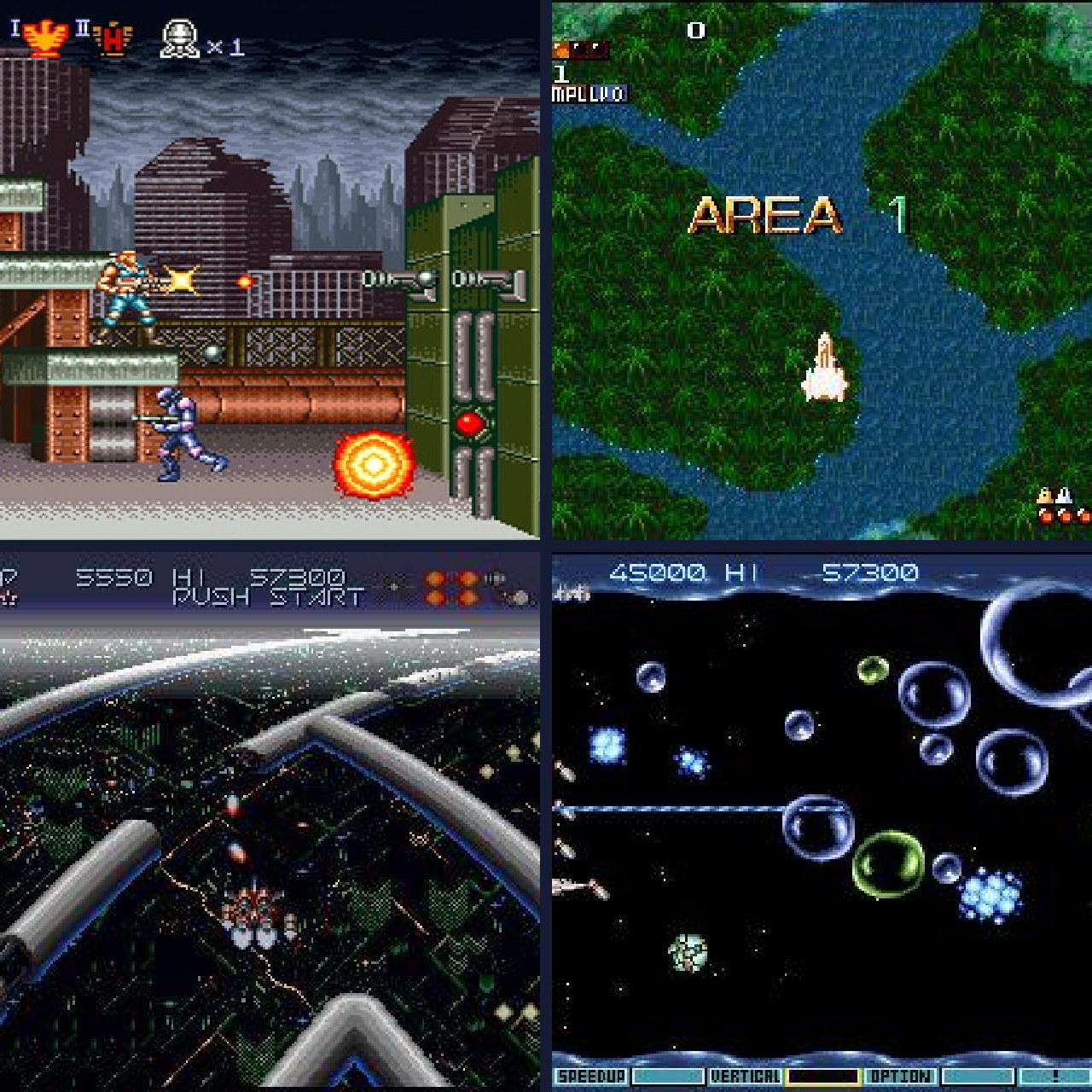
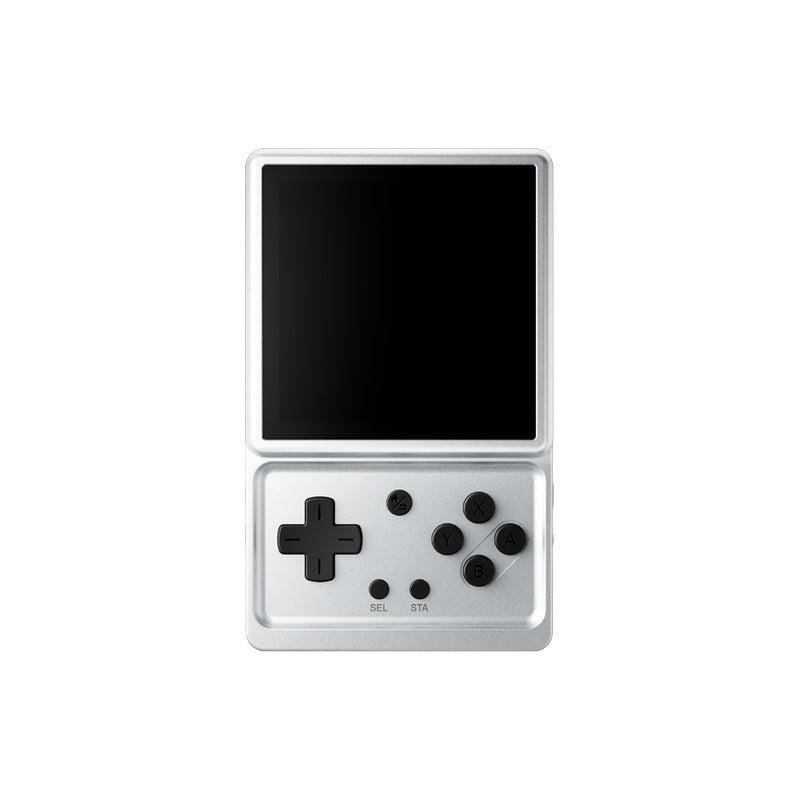
The Super Nintendo Entertainment System (SNES) is a cherished console for many retro gaming enthusiasts, especially those who have a soft spot for classic shoot 'em up (shmup) games. The fast-paced action, vibrant graphics, and challenging gameplay of SNES shmups have left a lasting impression on gamers worldwide. In this article, we will explore the top five classic shoot 'em up games that you should definitely play on the Super Nintendo, particularly if you’re using a retro device like the ANBERNIC RG 34XX.
Contra III: The Alien Wars
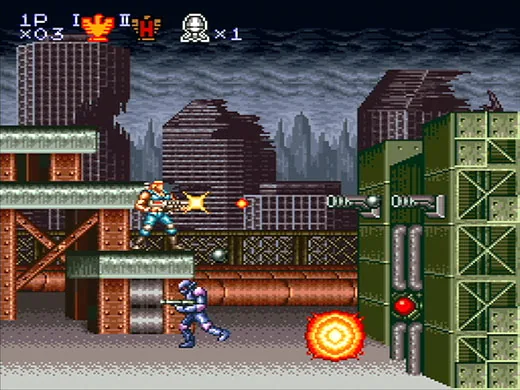
Kicking off our list is Contra III: The Alien Wars, a game that is synonymous with action-packed gameplay. Released in 1992, this title is a sequel to the original Contra and takes the frenetic action to new heights. Strictly, it is a run-and-gun rather than a shoot 'em up: you are on foot for most of it, and only two of its six stages switch to an overhead Mode 7 view. It earns a place here as the SNES's best shooter of any kind for two players. Bill Rizer and Lance Bean each carry two machine guns that can be swapped at will and upgraded with power-ups. The cooperative gameplay allows for an engaging experience with a friend, making it a perfect choice for couch co-op sessions. What makes Contra III stand out is its innovative level design, which includes moving vehicles and multi-layered backgrounds that enhance the visual experience. The adrenaline-pumping soundtrack complements the intense action, ensuring players are engrossed from start to finish.
Super Aleste
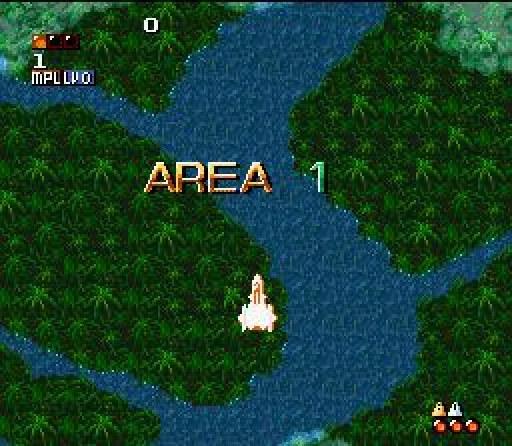
Next up is Super Aleste, a lesser-known gem that has garnered a cult following among shmup aficionados. Compile's 1992 vertical shooter, released in North America as Space Megaforce, gives you eight weapon types, but only one at a time: collecting a numbered item switches weapon, chips level the current one up to six, and a Shot-Control button changes how it fires. The strategy is in the health system, because your weapon level is your health and a hit costs four levels. The game features beautifully crafted graphics and a captivating soundtrack that transports players to a vibrant sci-fi universe. What truly sets Super Aleste apart is its variety of enemy designs and challenging boss battles, demanding quick reflexes and strategic thinking. For those looking for a deep and rewarding experience, Super Aleste is a must-play.
Axelay
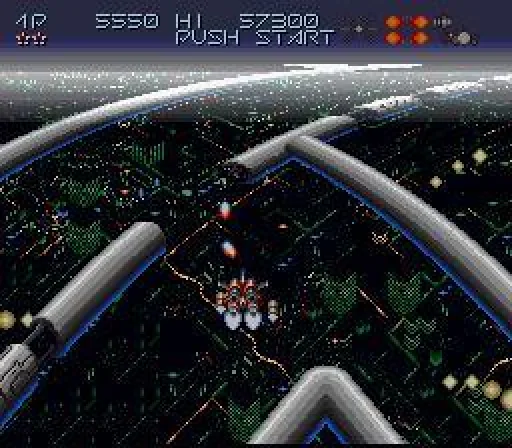
Axelay is often hailed as one of the best shoot 'em up titles on the SNES, and for good reason. Released in 1992, Axelay warps its top-down stages as they scroll into view to give them a pseudo-3D depth (Electronic Gaming Monthly credited its "Mode 7 effects"), and it alternates those vertical stages with horizontal ones. Players navigate their ship through beautifully rendered environments, from lush landscapes to dark spacescapes, while battling an array of enemies. The game incorporates a unique weapon system, allowing players to choose different armaments for each level, adding an element of strategy to the classic shoot 'em up formula. The ability to switch weapons on the fly keeps the gameplay fresh and engaging. Axelay's challenging difficulty and unforgettable soundtrack make it a standout title that every retro gamer should experience.
Gradius III
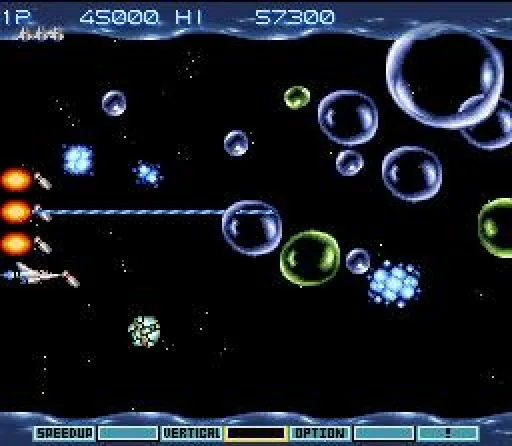
Another iconic title is Gradius III, a game that has become synonymous with the shoot 'em up genre. This classic game is known for its fast-paced action and intricate level designs. Players control the Vic Viper, a customizable spacecraft that can be upgraded with various power-ups collected throughout the levels. The game's distinctive contribution to the series is its weapon-select bar: rather than locking you into a fixed loadout, Gradius III lets you pick a configuration before the run and then spend collected power-ups along that bar, choosing when to bank capsules for a shield and when to cash them in for speed or missiles. Veterans will also recognise the console version's notorious slowdown when the screen fills with enemies and bullets — a limitation that, oddly, many players came to rely on as a built-in difficulty valve during the harder stages. It is a demanding game, and the arcade-style checkpoint system means a death can cost you real progress, but few shmups on the system feel as satisfying to finally master.
R-Type III: The Third Lightning
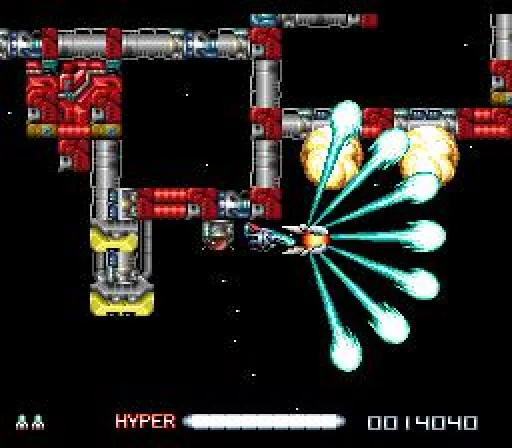
Rounding out the list is R-Type III: The Third Lightning, developed by Tamtex and published by Irem in Japan in December 1993 (Jaleco brought it to North America in 1994), and one of the most technically accomplished shooters on the console. The series signature is the Force — a detachable pod that absorbs enemy fire, can be latched to the front or rear of your ship, and doubles as both shield and weapon. R-Type III expands the idea by giving you three selectable Force types, each with a completely different attack pattern, which turns stage planning into part of the challenge: the right Force makes a boss manageable, the wrong one makes it punishing. The deliberate, methodical pacing sets it apart from the frantic run-and-gun of Contra III, and the layered sprite work and industrial art direction still look striking today. If you only play one SNES shmup after Axelay, make it this one.
Which One to Start With
These five cover a wide spread of the genre. Contra III is the most immediately accessible and the only one built for co-op. Axelay and Super Aleste sit in the middle, generous with power-ups and forgiving enough to learn by playing. Gradius III and R-Type III are the demanding end of the scale — both expect you to memorise stages and both punish sloppy positioning. Whichever you begin with, the genre suits short handheld sessions well: the games are built stage by stage, and the pull to immediately start another is the whole point.
The five at a glance
| Game | Developer | Japan | North America | How it plays |
|---|---|---|---|---|
| Contra III: The Alien Wars | Konami | 28 Feb 1992 | 26 Mar 1992 | Run-and-gun, two overhead Mode 7 stages, two-player co-op |
| Super Aleste (Space Megaforce) | Compile (published by Toho) | 28 Apr 1992 | Oct 1992 | Vertical; eight weapons, one carried at a time |
| Axelay | Konami | 11 Sep 1992 | Sep 1992 | Alternating vertical and horizontal stages, six in all |
| Gradius III | Konami | 21 Dec 1990 | 23 Aug 1991 | Horizontal; weapon bar with an Edit mode |
| R-Type III: The Third Lightning | Tamtex (Irem in Japan, Jaleco in NA) | 10 Dec 1993 | 2 Aug 1994 | Horizontal; three Force types |
Dates and credits are from each game's Wikipedia entry, checked October 2026.
What each one is built around
- Super Aleste ties your health to your gun. Each weapon levels up to six, a hit knocks off four levels, and lives can be turned into Special Lives that restart you exactly where you died. Watch the screen edges, because scenery can crush your ship against them. There is also a Short Game mode that cuts the regular levels into a score attack.
- Axelay treats weapons as shields. You start each stage with three slots (a standard weapon, a special weapon, and a bomb or missile) and can switch freely. A hit disables the weapon you had selected and drops you to a weak default, and a second hit destroys the ship. One new weapon joins your armoury after every stage. It was designed by a group of Konami staff who later founded Treasure.
- Gradius III on the SNES is not a straight arcade port. It drops the arcade's pseudo-3D and crystal stages, moves the cell stage to the end, and adds a boss and a high-speed stage. Unlike the arcade game, it lets you continue. The slowdown is copied from the arcade original.
- R-Type III was the first R-Type with more than one Force: the Round, Shadow and Cyclone Forces. Its optional Hyper Wave Cannon fires rapidly for a while, then overheats and leaves you without a wave cannon until it cools down.
Two more SNES shooters worth your time
Super R-Type
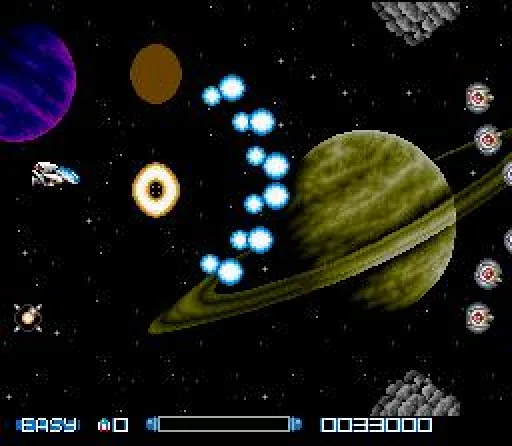
Irem's 1991 SNES R-Type takes four stages from R-Type II and adds three new ones. It is known for two things: slowdown that can bring the game almost to a standstill when the screen is busy (some players find this makes the dense sections easier), and no checkpoints, so a death restarts the stage from the beginning. It is the harsher of the two R-Types on the system. Play R-Type III first.
U.N. Squadron
Capcom's 1991 conversion of its Area 88 arcade shooter (it kept the Area 88 name in Japan) works differently from everything above. Instead of one hit costing a life, you get an energy bar that runs down over a single life. Between stages you spend the money you earned on special weapons and defences in a shop, and on the SNES each of the three pilots can fly a range of planes. Mean Machines scored it 94%, and IGN placed it 37th in its top 100 SNES games. It also features in our SNES hidden gems.
What this page got wrong
This list was fact-checked in October 2026. Everything corrected is named here rather than quietly edited away.
| What the page said | What the record says |
|---|---|
| Contra III listed as a shoot 'em up | It is a run-and-gun: on foot for most of the game, with two overhead stages. It stays on the list as the best two-player shooter on the system, and the entry now says what it is |
| Super Aleste: "a customizable ship… weapon upgrades that can be mixed and matched" | You carry one of eight weapons at a time. Picking up a numbered item swaps it, chips level it up, and a Shot-Control button changes how it fires. Nothing is combined |
Also clarified without counting them as errors: Axelay's depth comes from a pseudo-3D warp of its top-down stages (EGM called them "Mode 7 effects"); R-Type III was developed by Tamtex, not Irem's own team, and Jaleco published it in North America.
Playing SNES shooters on a handheld
The SNES renders at 256×224, so any current handheld runs these games. What matters is a d-pad that handles diagonals cleanly, because you are threading bullets and not just moving left and right, and a screen big enough to read a busy stage. Axelay and Gradius III both use the shoulder buttons, so check your button mapping before your first run.
Prices and stock below were read from each store's own product data on 11 October 2026. We have not tested these handhelds ourselves.
| Handheld | Screen | SNES at 2× | Price at our link | Stock on 11 Oct 2026 |
|---|---|---|---|---|
| Anbernic RG34XX | 3.4", 720×480 | 512×448, with borders | $59.99 (64GB) | 6 of 36 variants, China warehouse, Black and Glacier only |
| Miyoo Mini Plus | 3.5", 640×480 | 512×448, with borders | $69.99 console-only | All 28 variants orderable; White and Grey are pre-sale |
This page was originally written around the ANBERNIC RG 34XX, and it is still the cheaper option, but only its China-warehouse Black and Glacier variants could be ordered today. The Miyoo Mini Plus is the easier buy. Our Miyoo Mini Plus vs RG34XX comparison puts the two side by side.
FAQ
Is Contra III a shoot 'em up? Not strictly. It is a run-and-gun: you fight on foot, and only two of the six stages are overhead. It is on this list because it is the best two-player shooter on the SNES.
Is Space Megaforce the same game as Super Aleste? Yes. Compile's game was called Super Aleste in Japan and Europe and Space Megaforce in North America.
Is the slowdown in Gradius III a bug? It comes from the arcade original, and the SNES port reproduces it. Super R-Type has much heavier slowdown, which can bring the game almost to a standstill.
Which SNES shooter has no checkpoints? Super R-Type. A death sends you back to the start of the stage.
Can two people play any of these together? Of the five, only Contra III has simultaneous two-player co-op. Our SNES co-op list has more.