Review - Why ‘Metroid Fusion’ on Game Boy Advance Is a Retro Classic You Can’t Miss
Metroid Fusion on the Game Boy Advance: where it sits after Super Metroid, why the SA-X makes it tense, how linear it is, and how to play it today.
 games
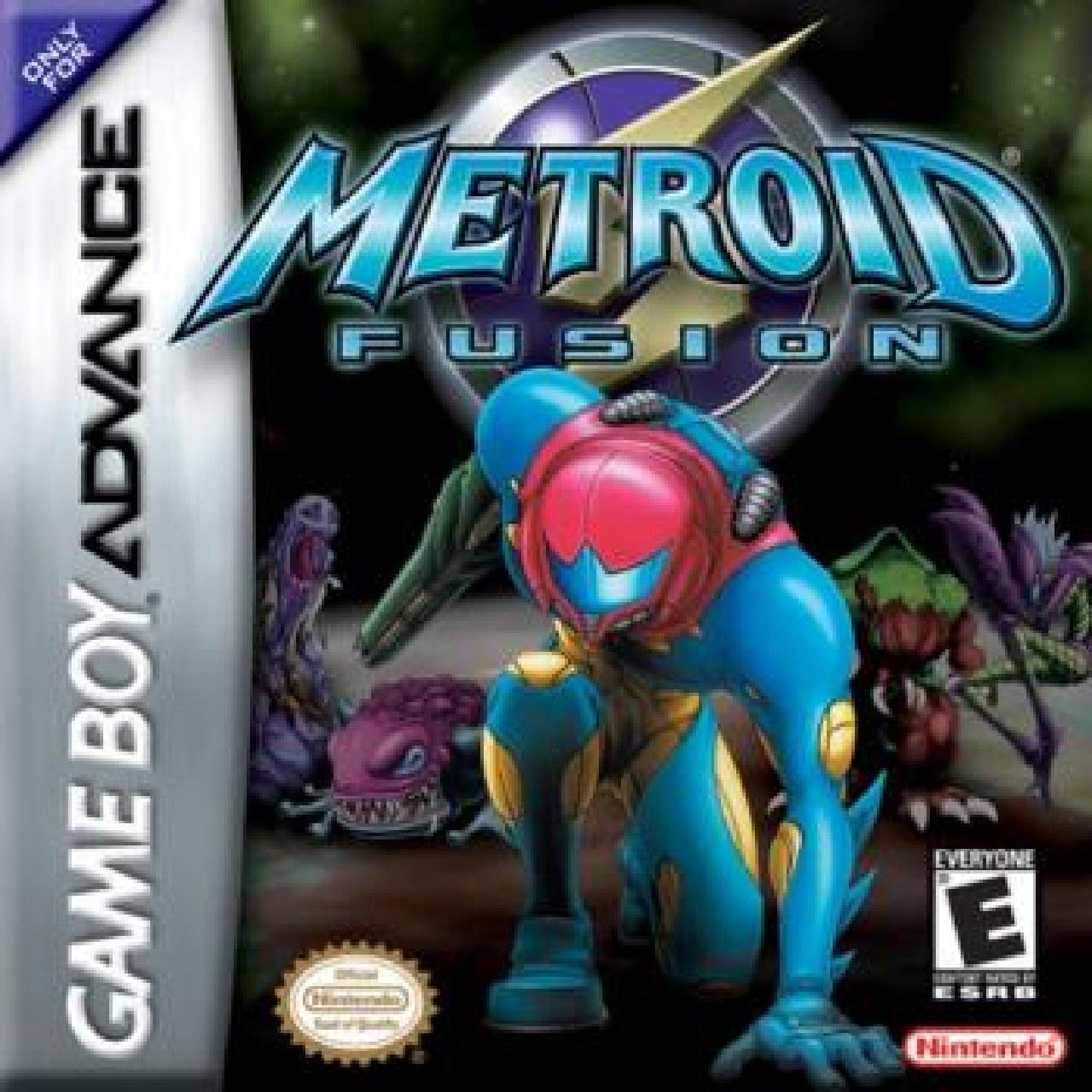
Metroid Fusion is the Game Boy Advance Metroid that asks the least of you as a map-reader and the most of your nerves. Nintendo R&D1 released it in North America on 18 November 2002, the same day Metroid Prime came out on GameCube. It scored 92 on Metacritic. More than twenty years later, it is still one of the best reasons to load GBA games onto a handheld.
Where Fusion sits in the story
Fusion is set after Super Metroid. Samus Aran is escorting a Biologic Space Laboratories (B.S.L.) survey team on the planet SR388 when she is infected by the X, a parasite that absorbs the DNA of whatever it consumes and then mimics it. Surgeons save her life by cutting away much of her infected Power Suit and treating her with a vaccine made from the cells of the baby Metroid from Super Metroid.
The cure works, and it changes her. She can now absorb X parasites herself, the way a Metroid would. Then she is sent to the B.S.L. research station orbiting SR388 to find out why it has gone quiet.
The SA-X
The X can copy anything they absorb, and the station's worst problem is that one of them has copied Samus at full strength, from the infected suit pieces the surgeons removed and the station took in for study. That copy is the SA-X. It walks the corridors with every weapon you have lost.
For most of the game you cannot fight it. You hide.
Those encounters are short, and they are what sets Fusion apart from every Metroid before it. A corridor you have crossed ten times becomes a different place once you know the SA-X might come through the far door, and the right answer is to run.
How it plays
Fusion is more guided than earlier Metroid games, and that is the honest caveat. Your commanding officer, a ship's computer Samus nicknames Adam, briefs you in Navigation Rooms and points you at the next objective. The station is split into sectors that open as the story allows. That makes it more linear than Super Metroid, because the plot is doing more of the driving.
If open-ended map-reading is the reason you play the series, know that going in. If earlier entries lost you because you never knew where to go next, this is the one that won't.
The core loop is familiar. Beaten enemies leave X parasites that refill health and missiles. Bosses return abilities, and each one gets you past an obstacle you could not cross before. Hidden missile and energy tanks reward checking every wall and floor. Your clear time and item percentage decide which ending picture you see, which gives completionists and speedrunners a reason to start again.
Playing it on a handheld today
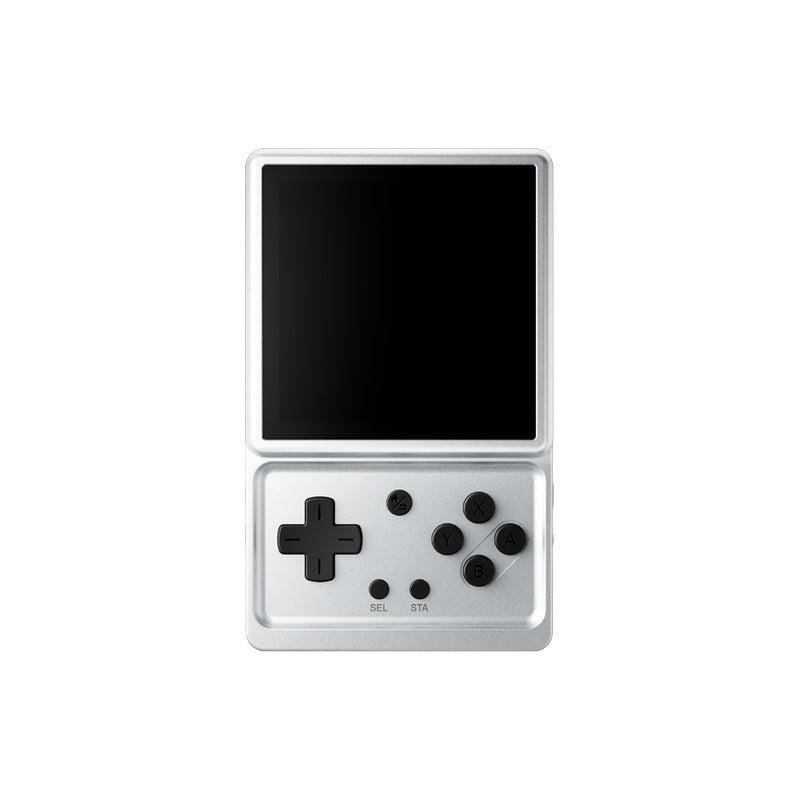
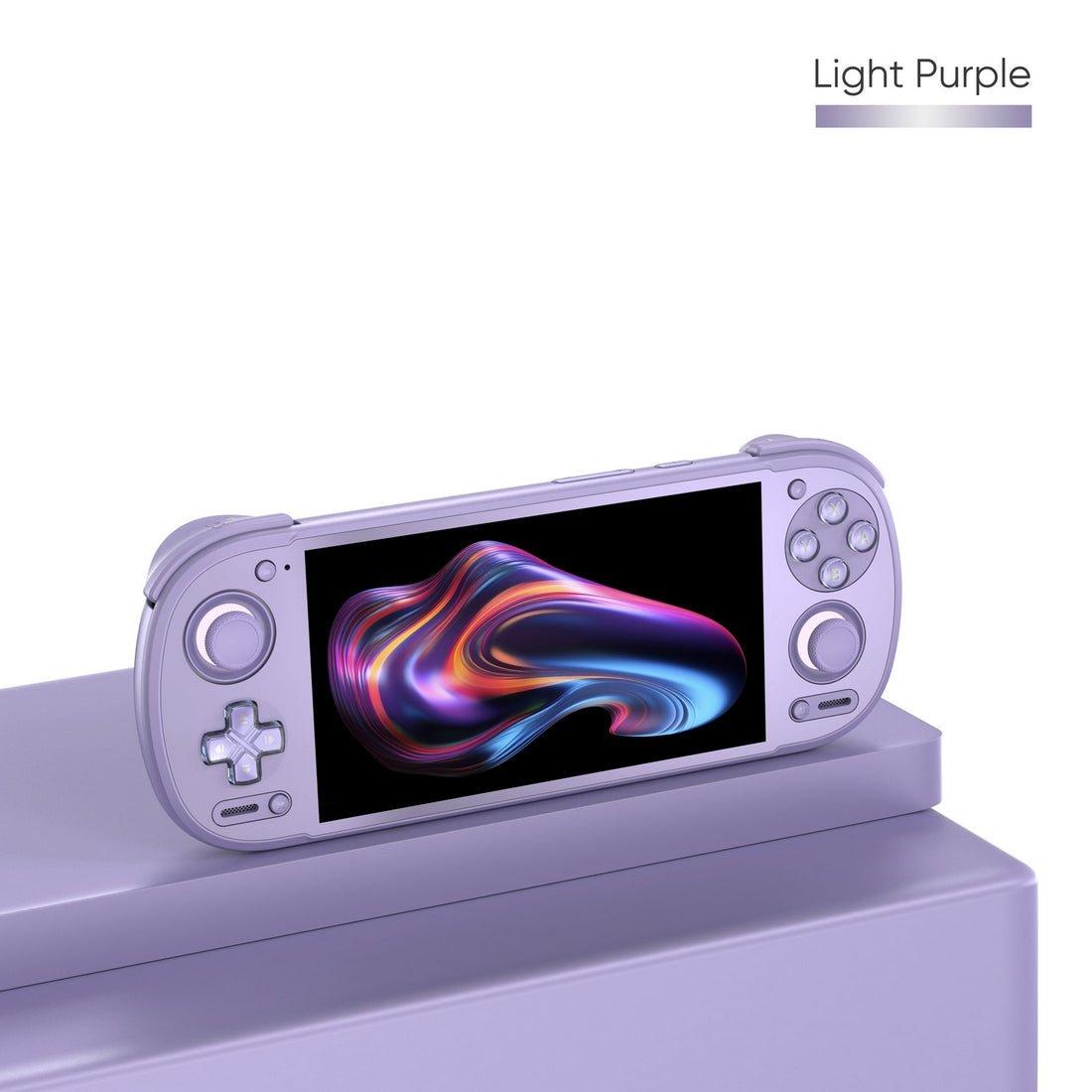
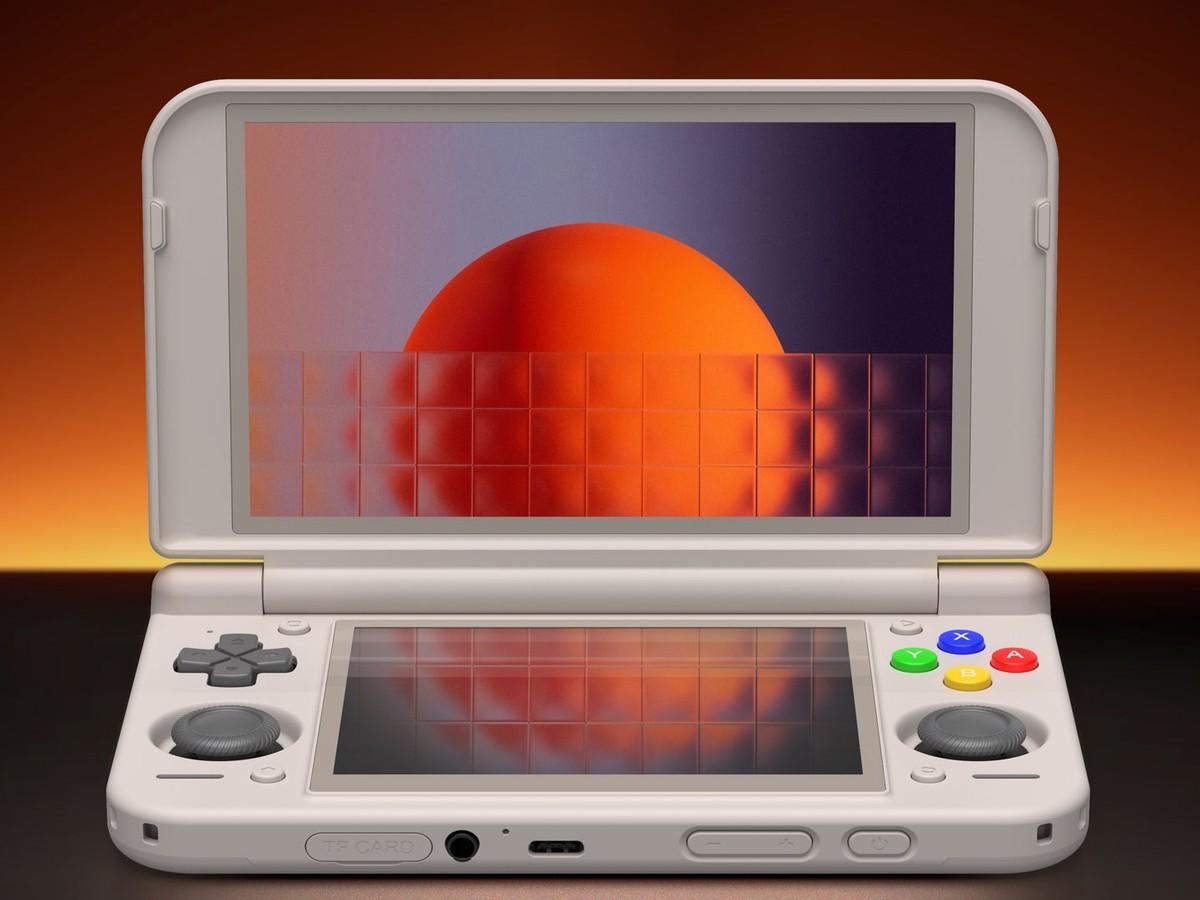
Any current retro handheld runs Game Boy Advance games at full speed, so the choice comes down to screen and comfort rather than power. Our Anbernic RG34XX review covers a horizontal, GBA-shaped option built around exactly this library. Fusion's original cartridge also talked to Metroid Prime over the GameCube link cable, and our classic GBA adventure games list explains what that unlocked.
If you like Fusion
- Super Metroid: the game Fusion follows, and the more open of the two.
- Best GBA games: where Fusion sits among the rest of the library.
- Hidden gems for the Game Boy Advance: Fusion is on it because so many Super Metroid fans skip it.
Corrections
This review was rewritten on 20 November 2026. The earlier version said Fusion "picks up where Metroid: Samus Returns left off". Samus Returns is a 2017 Nintendo 3DS remake of Metroid II, and Fusion is set after Super Metroid. It also placed the research facility on SR388. The B.S.L. station is in orbit around the planet.