Top 5 Best Platformers on the PlayStation 1 That You Need to Play
Discover the top 5 platformer games on the PlayStation 1 that combine classic gameplay with innovative design and memorable characters.
 games
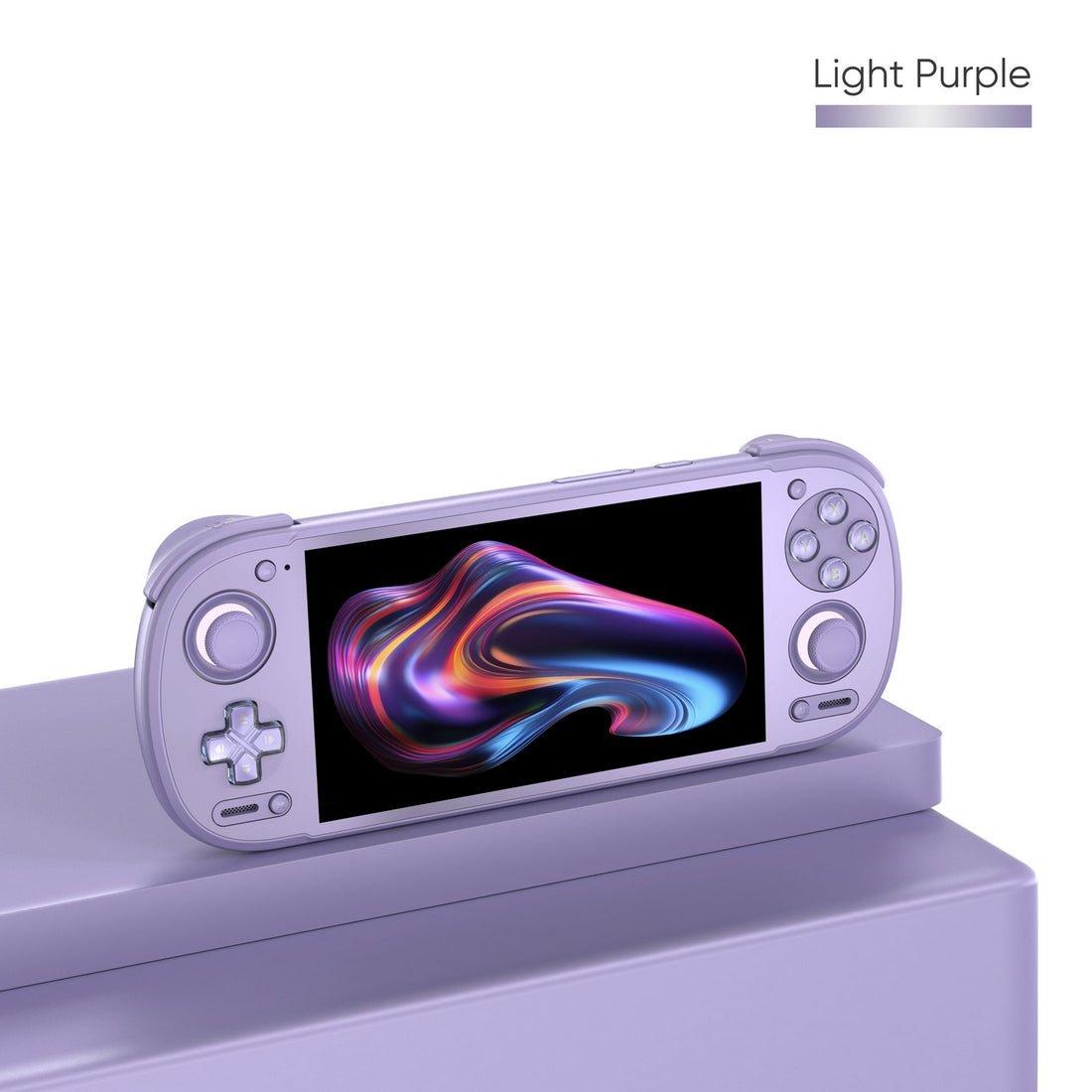
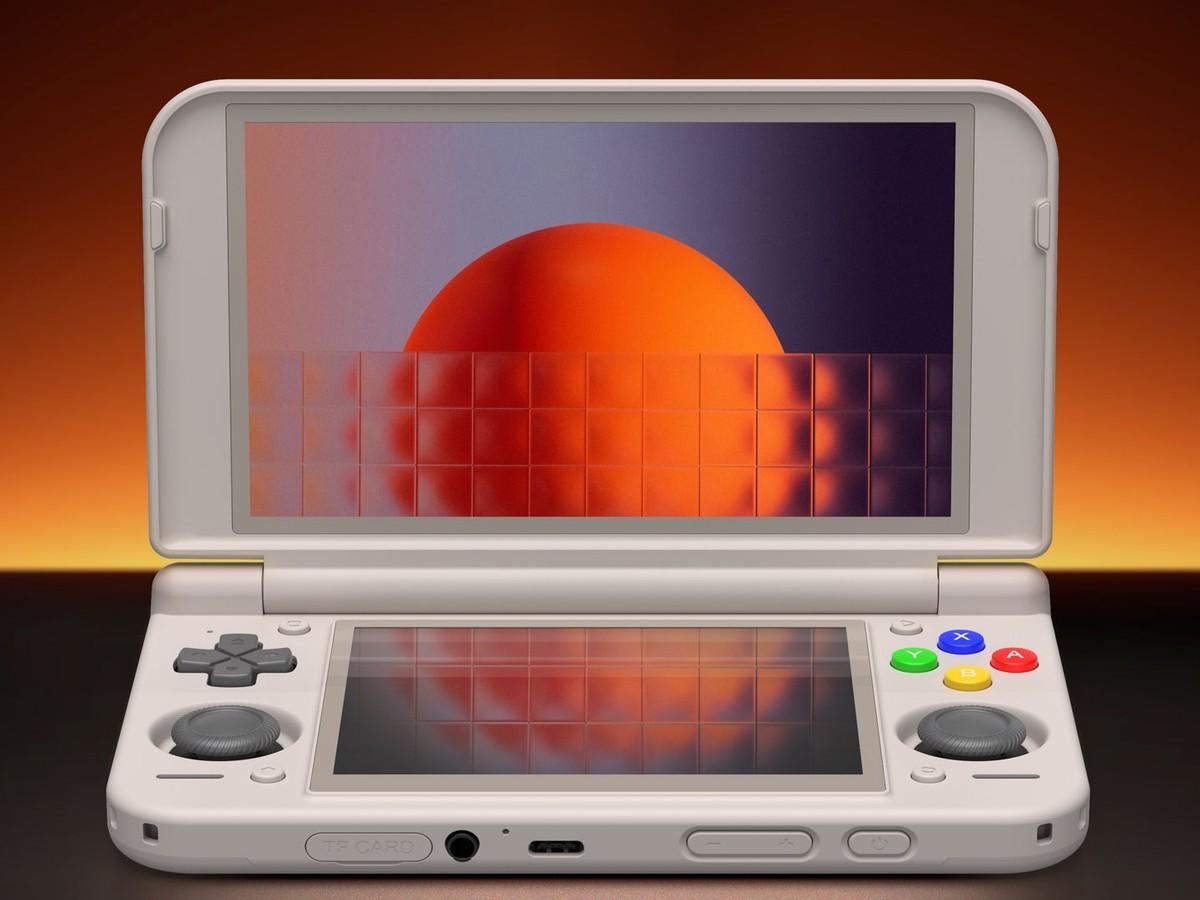
The PlayStation 1 revolutionized gaming with its impressive graphics and engaging gameplay, especially in the platforming genre. Retro gamers looking to revisit classic titles or newcomers eager to experience these gems should check out our top five platformers that defined the PS1 era. Whether you're using a Powkiddy RGB30 or any retro device, these games are sure to deliver hours of fun.
1. Castlevania: Symphony of the Night
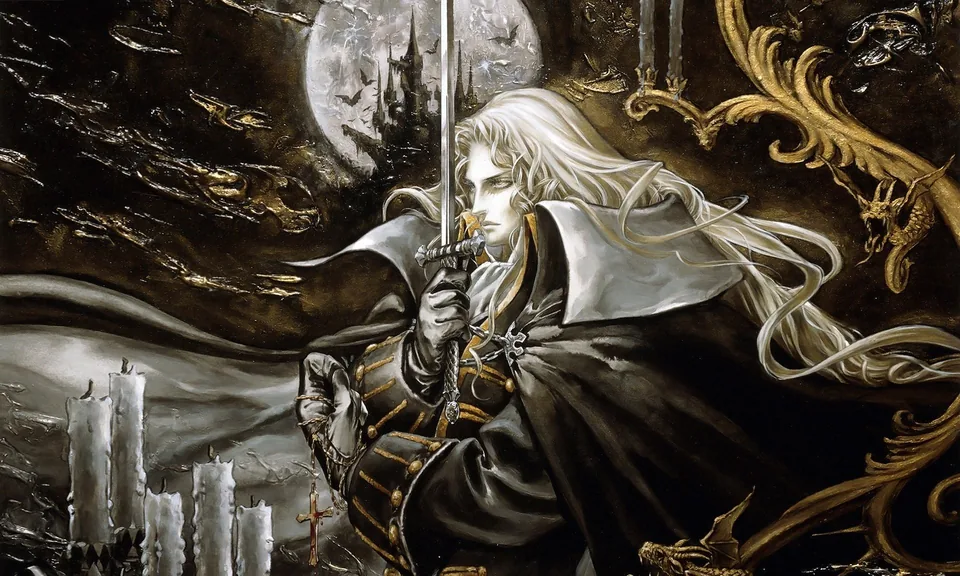
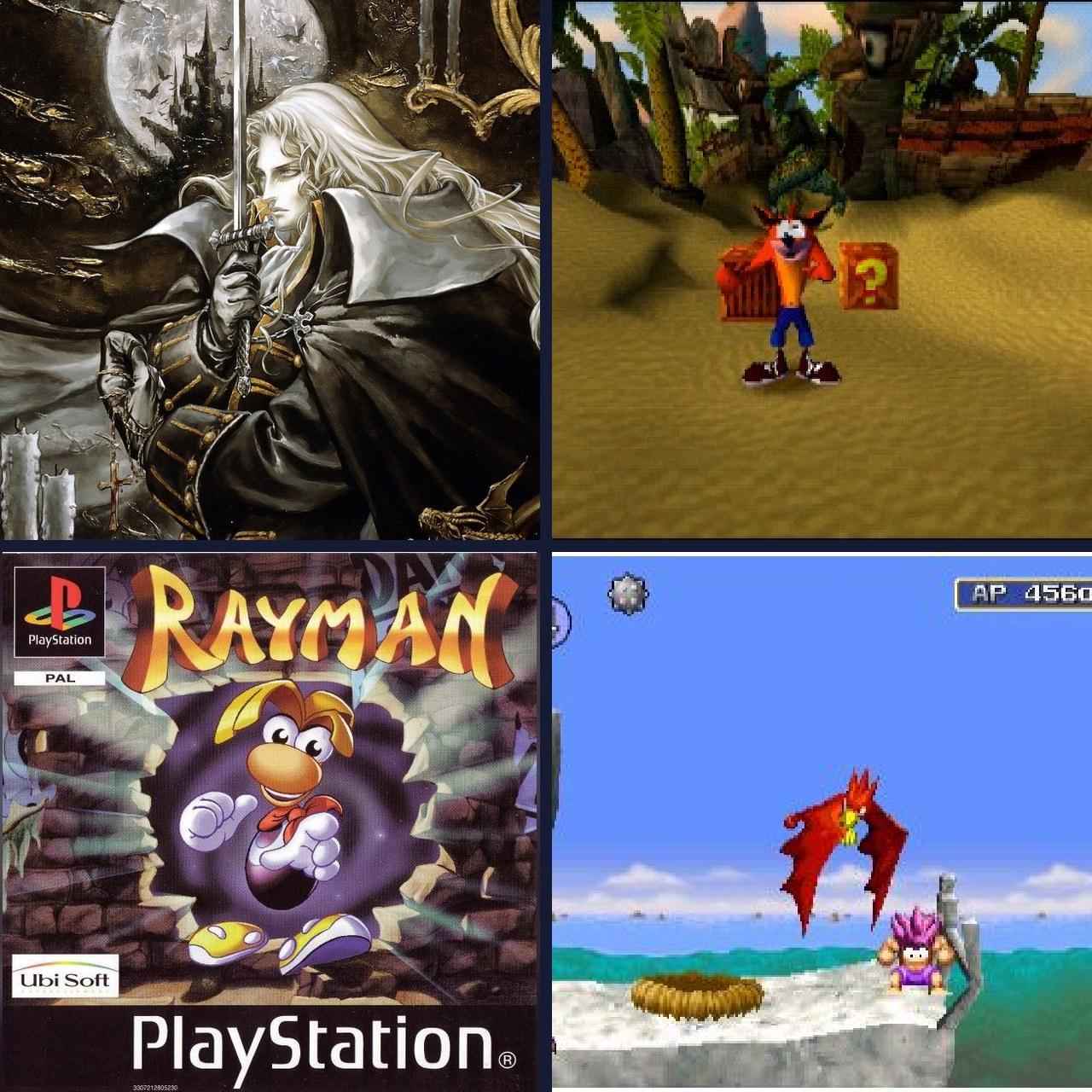
While often categorized as a Metroidvania, Castlevania: Symphony of the Night offers a platforming experience that is both rich and rewarding. Players step into the shoes of Alucard, Dracula's son, as he navigates the expansive Dracula's castle filled with secrets, enemies, and treasures. The combination of RPG elements with classic platforming creates a unique gameplay loop that keeps you engaged. The atmospheric graphics and haunting soundtrack perfectly complement the exploration and combat, making it a must-play for anyone seeking a deep and immersive experience.
2. Crash Bandicoot
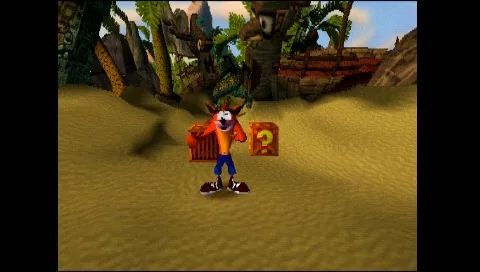
Crash Bandicoot is often hailed as one of the quintessential platformers of the PS1 era. This game introduced players to the lovable character Crash as he embarked on a quest to thwart the evil plans of Dr. Neo Cortex. The game's vibrant graphics and tight controls make for a thrilling experience, as players jump, spin, and run through beautifully designed levels. The challenging gameplay, combined with memorable boss fights and collectibles, ensures that Crash remains a beloved character in gaming history. Plus, the nostalgic appeal of this title is perfect for anyone looking to relive their childhood memories on a retro device.
3. Rayman
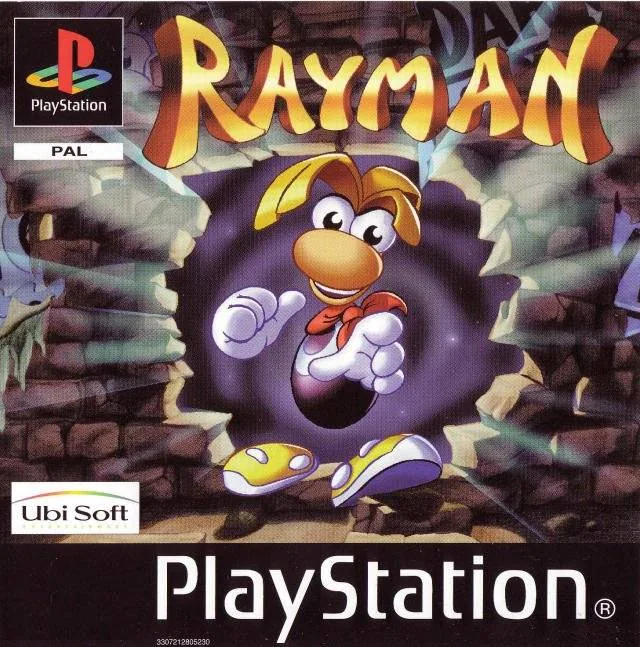
Rayman offers a unique platforming experience that stands out due to its artistic design and charming characters. As Rayman, players navigate through beautifully crafted worlds filled with quirky enemies and challenging obstacles. The game's colorful graphics and whimsical vibe create an enchanting atmosphere that captivates players from start to finish. Rayman has no arms or legs at all, and his signature attack is the "telescopic fist", a punch he throws across the screen at distant enemies; he earns it, and later abilities such as flying and running, as his journey goes on. Released on the PlayStation in North America in September 1995, it went on to sell more than 3 million copies, and critics at the time noted its high difficulty. With mechanics like these, Rayman provides a refreshing twist on traditional platforming that keeps the experience engaging and fun.
4. Tomba!
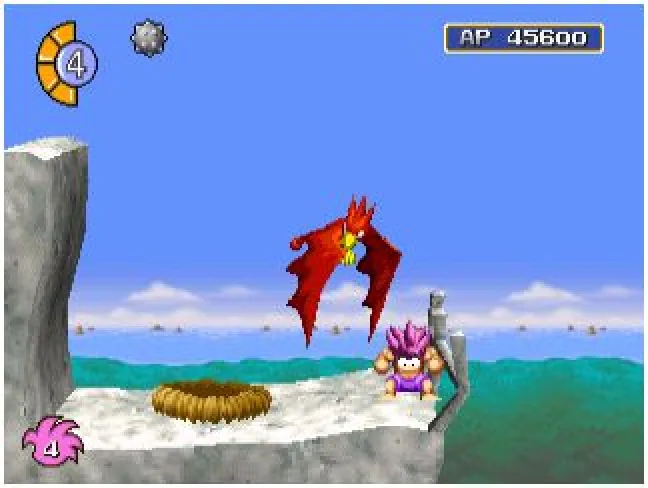
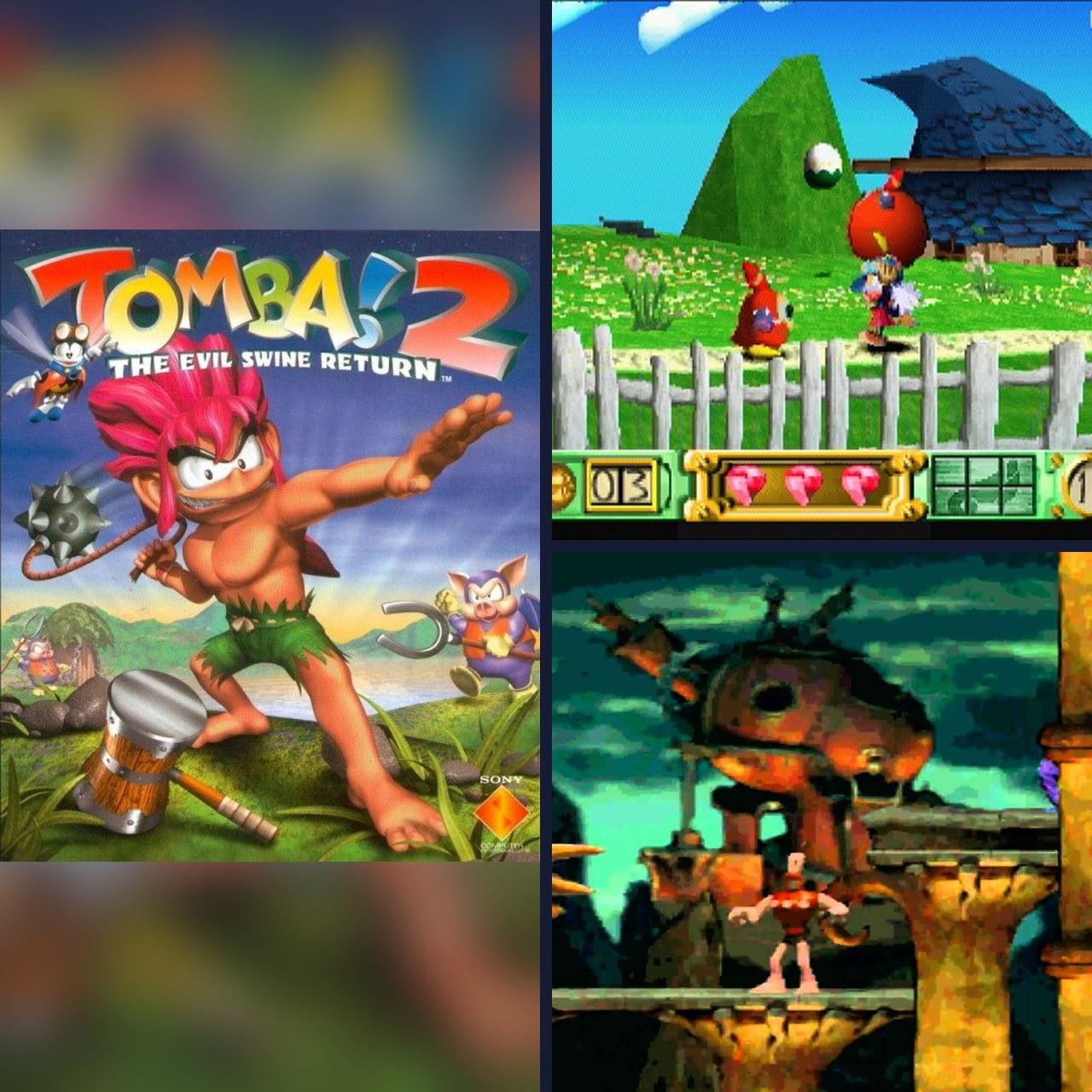
Tomba! is a hidden gem that many gamers may not be familiar with but is a fantastic addition to the platforming genre. This quirky game features a pink-haired wild boy named Tomba who sets out to recover his grandfather's bracelet from a gang of pigs, and ends up hunting down the seven Evil Pigs who have corrupted his island home. The graphics are vibrant and cartoonish, creating a playful environment that is enjoyable to explore. What sets Tomba! apart is its mix of RPG elements and platforming challenges, requiring players to complete various quests and puzzles to progress through the game. The unique blend of humor and adventure makes it a memorable title that deserves a spot on your must-play list.
5. Spyro the Dragon
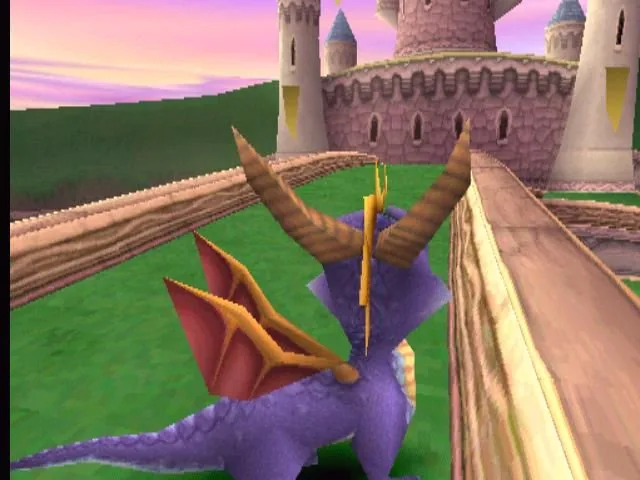
Spyro the Dragon is a classic that many gamers fondly remember. This colorful platformer allows players to control the titular purple dragon as he glides through various realms, rescuing his fellow dragons and collecting gems. The game's charming visuals and catchy music create an inviting atmosphere, while the diverse level designs offer a mix of exploration and combat challenges. Spyro's ability to glide and breathe fire adds a layer of excitement to the gameplay, making it an enjoyable experience for both new and veteran players alike.
In conclusion, the PlayStation 1 is home to some of the best platformers that have stood the test of time. Whether you prefer the atmospheric exploration of Castlevania, the whimsical charm of Rayman, or the nostalgic adventure of Crash Bandicoot, these titles offer something for everyone. Dust off your Powkiddy RGB30 or any retro device and dive into these classic games for an unforgettable gaming experience!
The five at a glance
| Game | North American release | Developer | Style | Worth knowing |
|---|---|---|---|---|
| Castlevania: Symphony of the Night | 3 October 1997 | Konami | 2D exploration with RPG levelling | An inverted second castle opens mid-game and roughly doubles the map |
| Crash Bandicoot | 9 September 1996 | Naughty Dog | Linear 3D, into and across the screen | 32 levels; breaking every crate in a level without dying earns a gem |
| Rayman | 7 September 1995 | Ubi Pictures | 2D side-scroller | More than 3 million sold, and famously hard |
| Tomba! | 1998 (Japan 1997) | Whoopee Camp | 2D with isometric areas | 130 optional "events" that can be tackled in any order |
| Spyro the Dragon | 9 September 1998 | Insomniac Games | Open 3D hub worlds | Six homeworlds, each a hub of portals to its levels |
A few details the entries above leave out, all from each game's published record:
- Symphony of the Night sold modestly at first and built its reputation by word of mouth, eventually passing 700,000 copies across the US and Japan. Its RPG systems, experience points, levels and equipment, were added deliberately to make it easier for less skilled players. Michiru Yamane's soundtrack mixes classical, techno, gothic rock, jazz and metal. Our full Symphony of the Night review covers it properly.
- Crash Bandicoot sold more than 6 million copies. Crash's spin attack kicks enemies off the screen, the witch doctor spirit Aku Aku shields him from a hit, and collecting all six coloured gems opens routes you cannot reach first time through.
- Tomba! was created by Tokuro Fujiwara after he left Capcom. It sold poorly and built a cult following instead, and a Limited Run Games Special Edition in 2024 put it on Switch, PS5 and PC. There is more in our Tomba! feature.
- Spyro the Dragon started slowly and took off over the 1998 holidays, heading for nearly five million copies. Its soundtrack is by Stewart Copeland, the former drummer of The Police. Spyro breathes fire, charges head first and glides, with his dragonfly Sparx as a health meter, and reviewers at the time found it on the easy side.
Three more PS1 platformers worth your time
The top five are the obvious starting points. These three are the next ones we would reach for.
Crash Bandicoot: Warped (1998)
If the first Crash grabs you, the third is the one to finish on. Naughty Dog's November 1998 sequel sends Crash and his sister Coco through history via a Time-Twisting Machine hub, chasing crystals against Uka Uka and Doctor N. Tropy. It adds abilities as you beat bosses, including the double jump, and a Relic time-trial mode for replaying finished levels. It scored 91 on Metacritic and sold close to 6 million copies.
Ape Escape (1999)
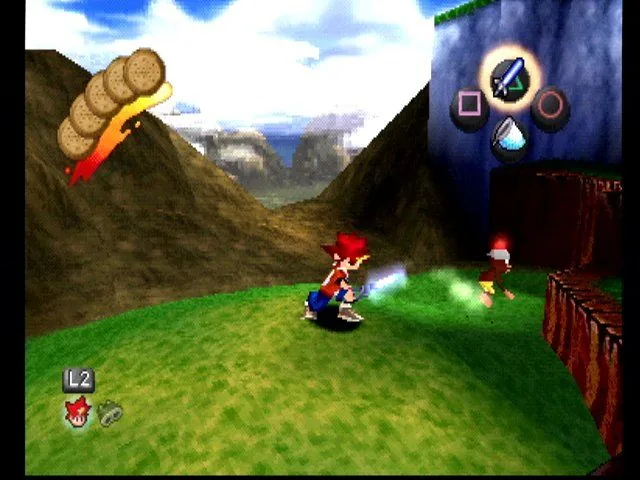
Sony's June 1999 platformer was the first game to require the DualShock: the left stick moves Spike, and the right stick swings whatever gadget he is holding, such as the Stun Club or the Time Net used to catch escaped monkeys across different periods of history. It scored 90 on Metacritic and sold more than 1.4 million copies. The controls are the thing to plan around on a handheld, and the device table below explains why.
Mega Man X4 (1997)
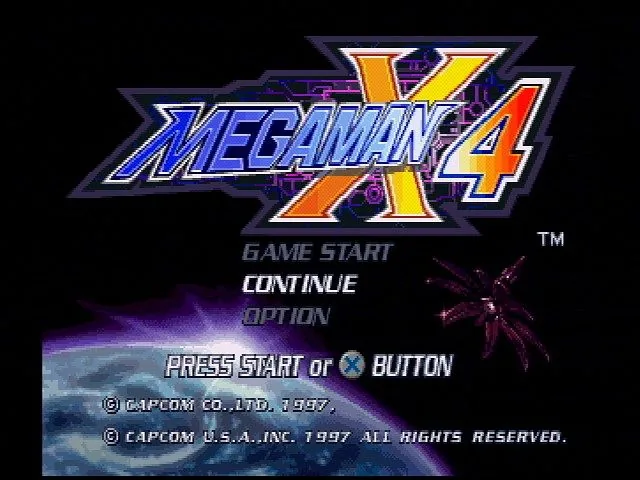
Capcom's September 1997 entry lets you choose between two characters at the start. X plays like classic Mega Man, collecting boss weapons for his X-Buster. Zero fights with the Z-Saber sword and learns techniques instead. The story pits the Maverick Hunters against the Repliforce, with Sigma pulling the strings. Reviewers liked the two-character choice more than the repetition in its stage design.
For the less obvious end of the library, Klonoa: Door to Phantomile, Heart of Darkness and Oddworld: Abe's Oddysee lead our underrated PS1 platformers, and our PS1 hidden gems go beyond platformers.
Playing PS1 platformers on a handheld
Most PlayStation games draw a 320×240 image. On a 640×480 or 1024×768 screen that scales cleanly, by 2× and 3×. On a 720×480 panel the 2× image is 640×480, leaving thin bars at the sides.
The second thing to check is analogue sticks. All five of the top picks play on a d-pad. Ape Escape needs two sticks, and of the four handhelds below only one has them.
Prices and stock below were read from each store's own product data on 26 September 2026. Every one of these lists PS1 among its supported systems. We have not tested them ourselves.
| Handheld | Screen | PS1 scaling | Analogue sticks | Price at our link | Stock on 26 Sep 2026 |
|---|---|---|---|---|---|
| Anbernic RG34XXSP | 3.4" IPS, 720×480, clamshell | 2× (640×480), side bars | Two | $99.99 (64GB) | In stock, all 15 variants |
| Anbernic RG34XX | 3.4" IPS, 720×480 | 2× (640×480), side bars | None | $57.11 (64GB) | 6 of 36 variants, China warehouse, Black and Glacier only |
| Miyoo Mini Plus | 3.5" IPS, 640×480, 4:3 | 2×, fills the screen | None | $69.99 console-only | In stock, all 28 variants |
| TrimUI Brick | 3.2" IPS, 1024×768, 4:3 | 3× (960×720), thin borders | None | $85.99 console-only | In stock, all 28 variants |
The Anbernic RG34XXSP is the only one of the four that can play Ape Escape as designed, because it is the only one with two sticks. For the rest of this list, a d-pad device with a 4:3 screen is the tidier fit: the Miyoo Mini Plus fills its 640×480 panel with a clean 2× image. Our Miyoo Mini Plus vs RG34XX comparison goes through the other differences.
Frequently asked questions
Is Castlevania: Symphony of the Night a platformer?
It is usually filed as a Metroidvania, a genre it helped define: a single large, interconnected castle opened up by new abilities, with RPG levelling on top. The moment-to-moment play is 2D platforming and combat, which is why it sits on this list.
Which of these games needs analogue sticks?
None of the top five. Ape Escape is the exception on this page: it was the first game that required the DualShock, and it uses both sticks.
Can you still buy Tomba! today?
Yes. Limited Run Games released Tomba! Special Edition in 2024 for Switch, PS5 and PC, with a remixed soundtrack and a museum mode.