Retroid Pocket Nova: Specs, Price and What It Emulates
Retroid Pocket Nova: QCS8550, 4.5-inch 4:3 AMOLED at 120Hz, from $239 at Retroid on 24 October 2026, and what four outlets that tested it found.
 reviews
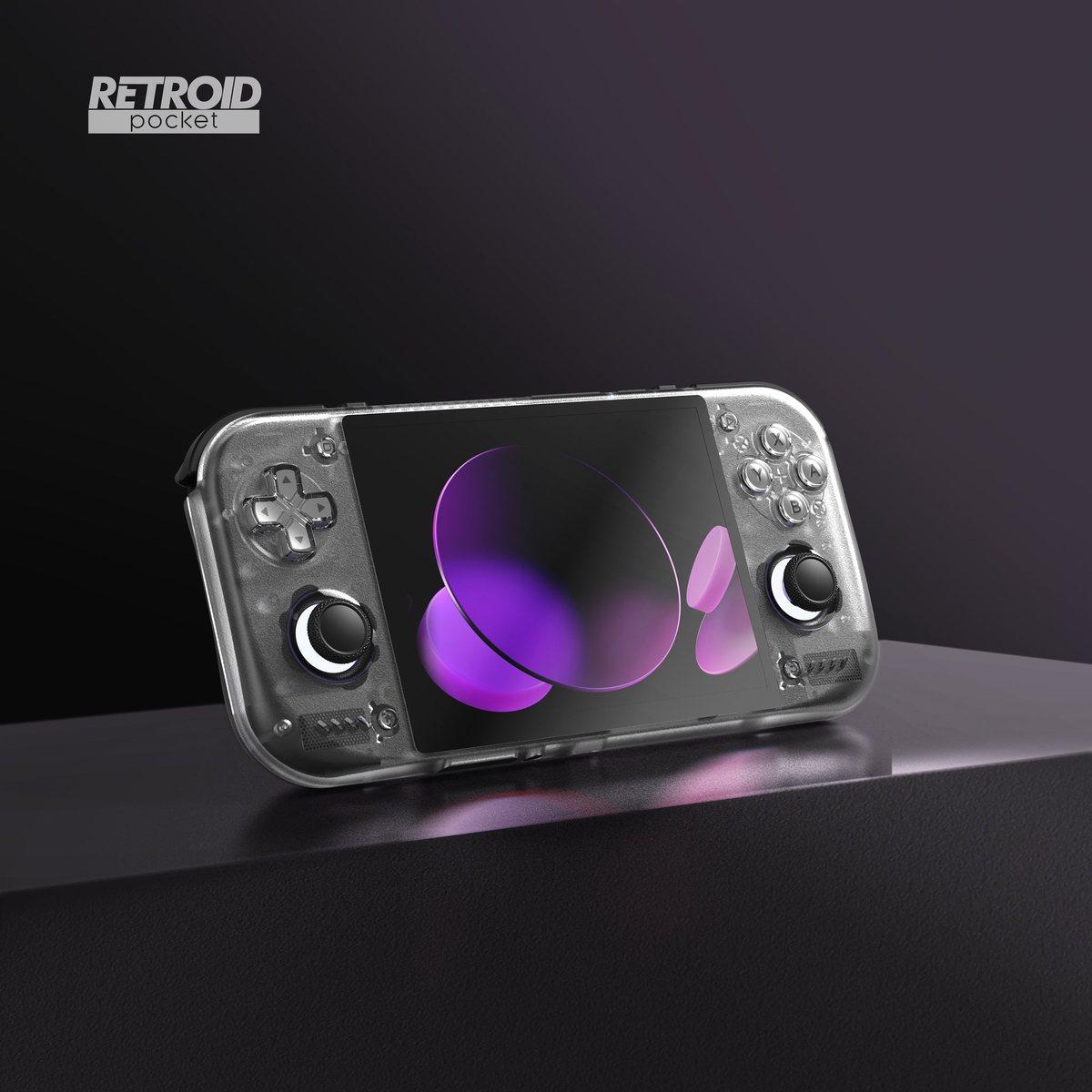
The Retroid Pocket Nova is a 4:3 Android handheld built around Qualcomm's QCS8550 chip, the same Adreno 740 GPU at 680MHz that powers the Retroid Pocket 6, behind a 4.5-inch 1280x960 AMOLED that runs at 120Hz. On 24 October 2026 it costs $239 (8GB+128GB) or $269 (12GB+128GB) from Retroid's own store, against $389.99 and $459.99 at MechDIY and $399.99 and $479.99 on pre-sale at LitNXT. Four outlets that tested it reached the same verdict: for every system up to the PS2 and GameCube it is about as good as a handheld gets, and anything widescreen is the compromise.
This is an explainer, not a review. We have not had one in hand. The specs come from the Retroid, MechDIY and LitNXT listings fetched today, and every hands-on judgement below is attributed and linked to the outlet that made it.
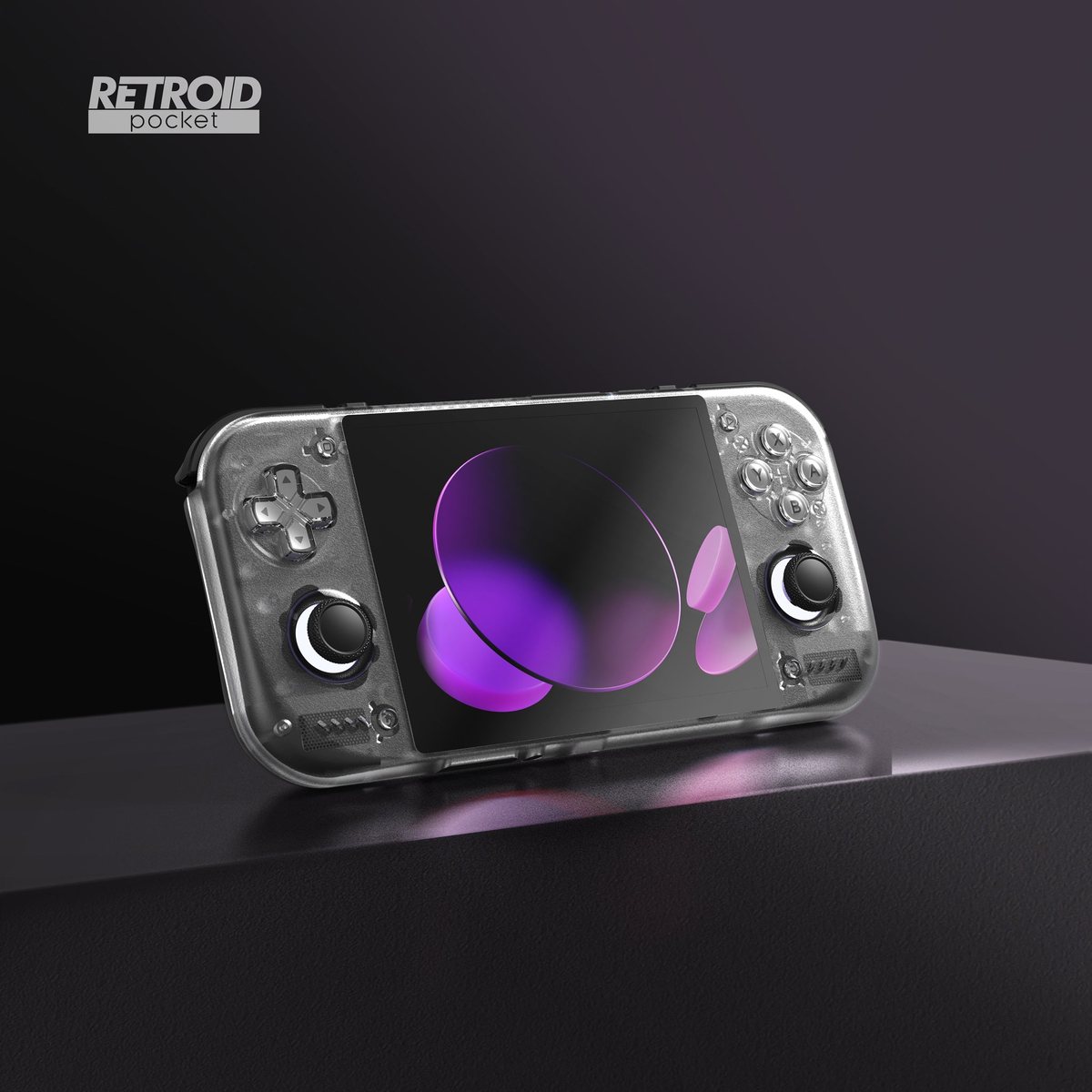
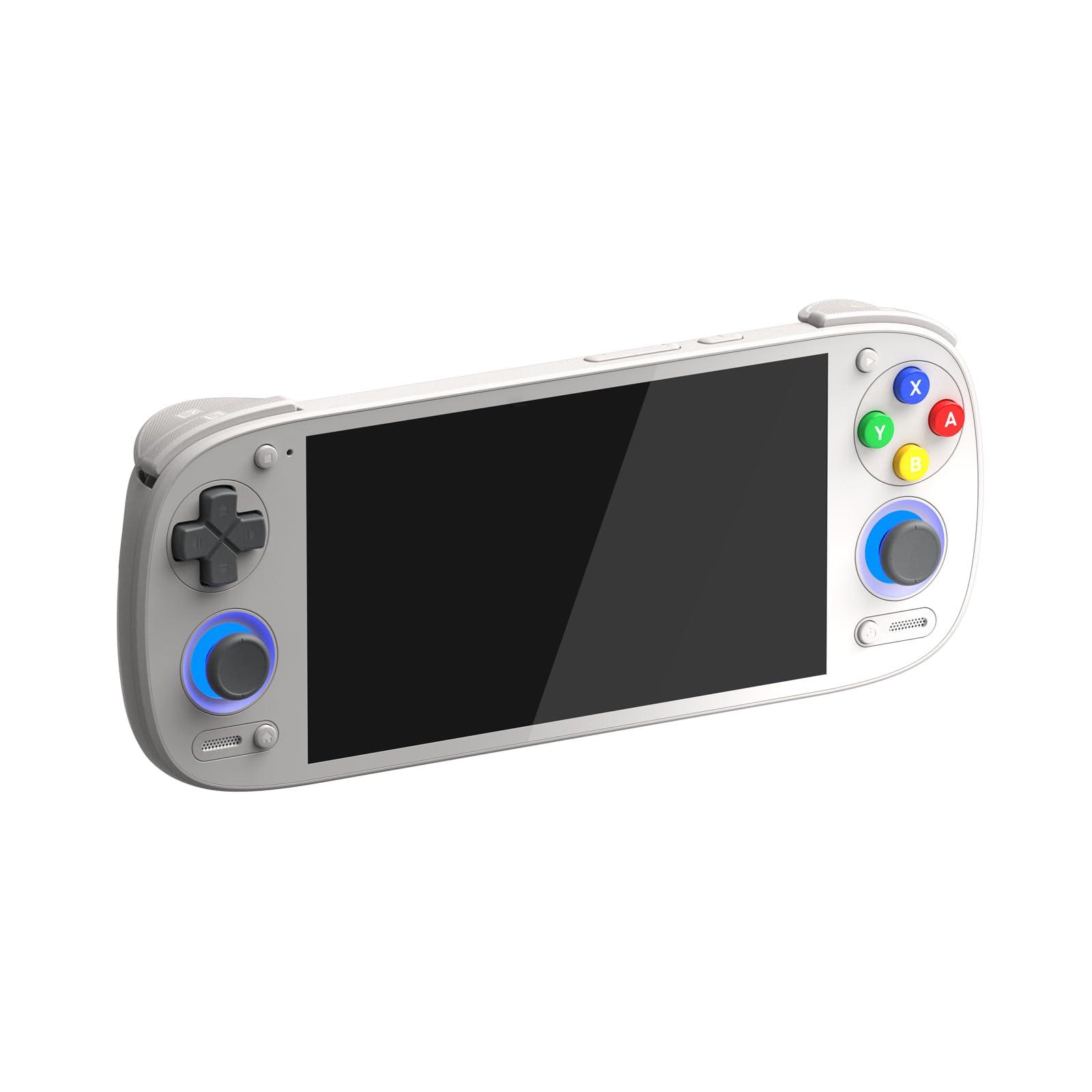
The Retroid Pocket Nova in Crystal. Image: Retroid, from its product listing.
Retroid Pocket Nova specs
From the Retroid, MechDIY and LitNXT listings and Retroid's own spec graphic, read on 24 October 2026.
| Retroid Pocket Nova | |
|---|---|
| Processor | Qualcomm QCS8550: 1x Kryo Prime at 3.2GHz, 4x Kryo Gold at 2.8GHz, 3x Kryo Silver at 2.0GHz |
| GPU | Adreno 740 at 680MHz |
| Memory | 8GB or 12GB LPDDR5x |
| Storage | 128GB UFS 3.1, plus a microSD (TF) slot |
| Screen | 4.5-inch AMOLED, 1280x960 (4:3), 120Hz |
| Cooling | Active, with a fan |
| Battery | 5000mAh, 27W charging |
| Controls | Hall-effect sticks, analogue L2/R2 |
| Wireless | Wi-Fi 7, Bluetooth 5.3 |
| Ports | USB 3.1 Type-C, 3.5mm audio jack, microSD |
| Video out | DisplayPort 4K 60Hz over USB-C |
| OS | Android 13, with official OTA updates |
| Weight | 255g |
| Dimensions | 169.9 x 84.1 x 15.6mm |
| Colours | Black, 16Bit, GC, Crystal, Ice Blue, Clear Purple, Watermelon |
The QCS8550 is the IoT-branded version of the Snapdragon 8 Gen 2. The CPU clocks and the GPU match the Pocket 6's listing line for line, so the two devices should perform the same at the same resolution. DroiX's benchmarks agree: the Nova scored 3,732 in 3DMark Wild Life Extreme against the Pocket 6's 3,711.
Price and where to buy, 24 October 2026
| Store | 8GB + 128GB | 12GB + 128GB | Stock on 24 October 2026 |
|---|---|---|---|
| Retroid Pocket Nova from Retroid's own store | $239 ($244 in the four translucent colours) | $269 ($274 translucent) | Every colour and memory option in stock |
| Retroid Pocket Nova (MechDIY) | $389.99 | $459.99 | 12GB in stock in all seven colours; 8GB out in Crystal, Watermelon and Clear Purple |
| LitNXT | $399.99 | $479.99 | Pre-sale, listing says it ships in October |
Retroid is about $146 to $211 cheaper than the resellers on the same day, so start there. The trade-off is delivery. Retroid's shipping policy quotes 1 to 7 days to dispatch and 15 to 60 days for its 4PX service, longer for some countries, with DHL as the faster paid option and a possible remote-area surcharge of about $50. It does not say whether import duties are included. If you need the console this month, or want a reseller handling returns, MechDIY has stock.
Prices have moved since launch. Gardiner Bryant and Retro Dodo both quoted $229 for the 8GB model in July; Time Extension quoted $244 in August for the Crystal colour; Retroid's 8GB price is $239 today. Retro Dodo's review flagged a possible rise because of Qualcomm chip costs.
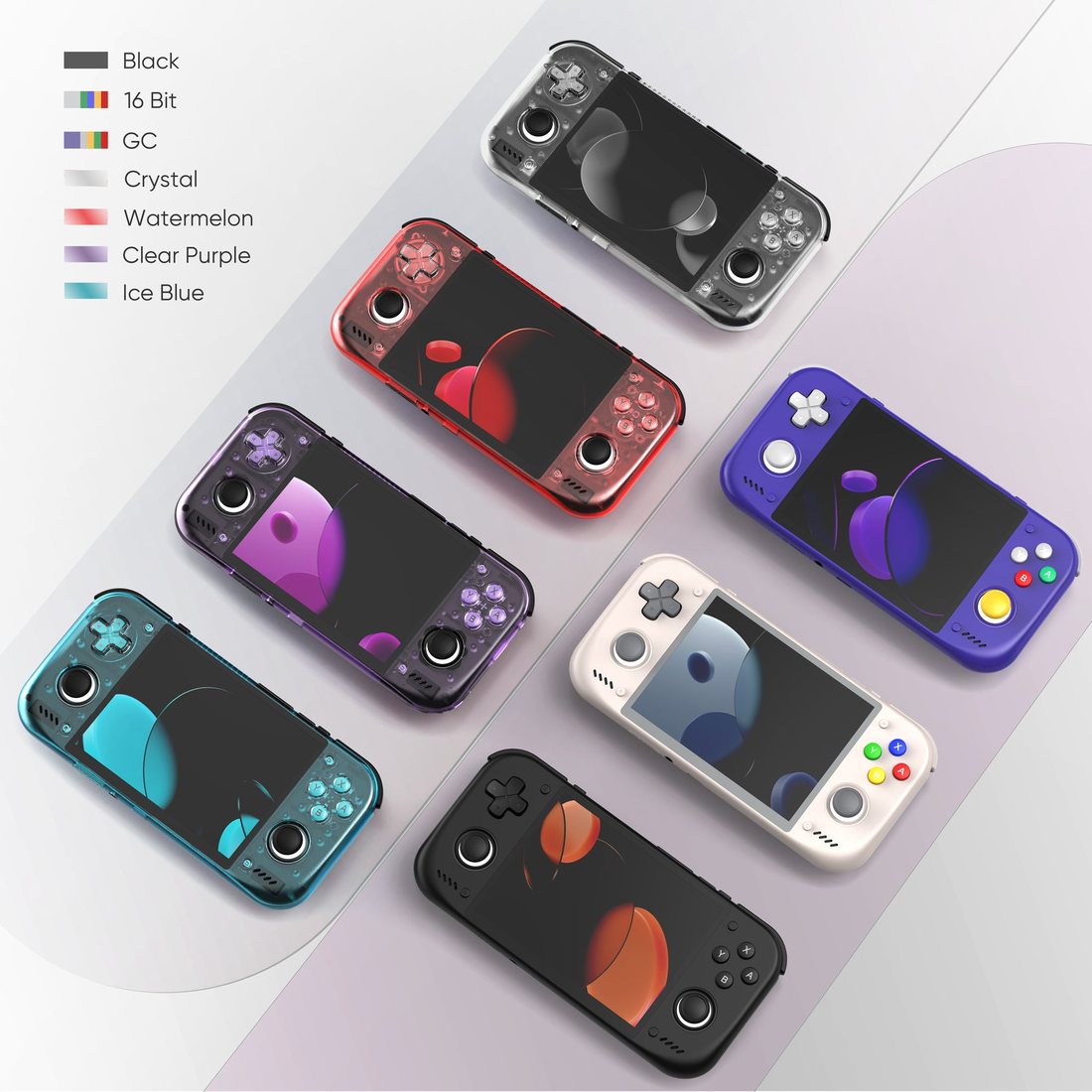
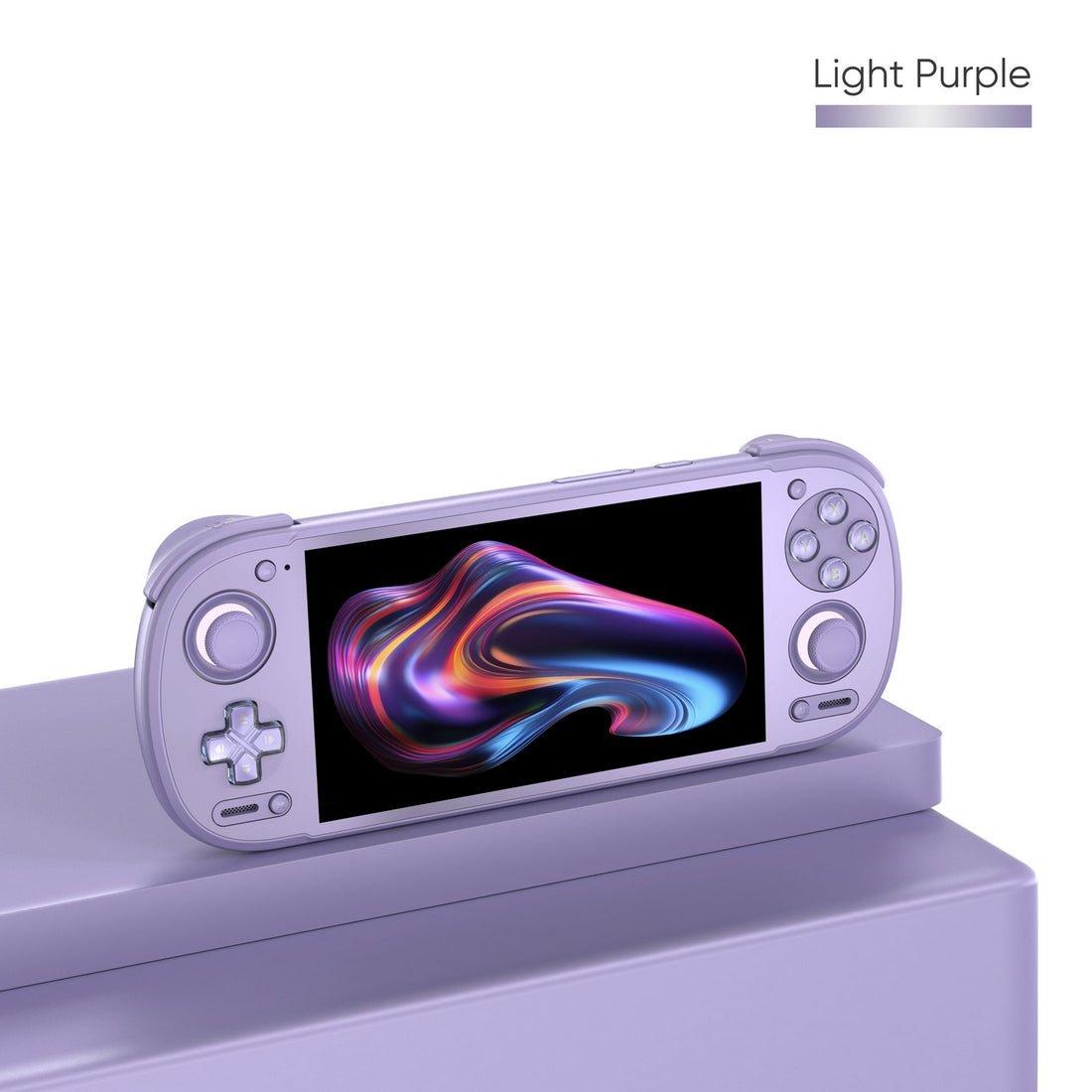
The seven colours. The four translucent ones cost $5 more at Retroid. Image: Retroid.
What four reviews found
Retro Dodo (Brandon Saltalamacchia, 28 July 2026), 9.7/10. The highest score of the four. On the screen: "The most beautiful 4:3 display I have seen on a handheld." The reviewer ran Midnight Club 3 on PS2 at 3x "with no issues" and says GameCube is the same story. Battery ran "anywhere from 3 - 10 hours", closer to 3 to 5 hours for PS2 and Dreamcast. The complaints are the fan, which you will hear "more often than you think", an off-centre USB-C port, and sticks that sit high off the body. Verdict: for a 4.5-inch retro-focused screen, it is the last 4:3 handheld you will need, and the Pocket 6 is the better choice for 16:9 and Android games.
Gardiner Bryant (26 July 2026). The most detailed emulation testing. In Dolphin at 3x internal resolution, none of 13 GameCube games dropped frames: F-Zero GX and Mario Kart Double Dash held 60fps, Super Mario Sunshine and Luigi's Mansion their native 30fps. On PS2 through ARMSX2, MGS2 Substance held 60fps; Gran Turismo 4 Spec II was the exception and only ran consistently at 1.5x. His battery estimates: about 8.5 hours for PS1, SNES, Mega Drive and GBA, about 6 for N64, Dreamcast and PSP, about 5 for GameCube and PS2, 3 to 4 for PC games through GameNative. He never needed the fan above Low at about 70% brightness. Downsides: the RGB ring light bleeds through translucent shells, the M1 and M2 buttons are a reach, and the panel uses PWM dimming, which may bother flicker-sensitive eyes. He calls it "the definitive modern 4:3 handheld."
Time Extension (Nick Rowan, 18 August 2026), 9/10. Tested in Crystal. PS2 games ran "without a hitch", with enough headroom to skip per-game tweaks. Measured battery: 4 to 5 hours of PS2 and 8 to 10 hours of SNES, and 5% to 80% in under an hour on the charger. The D-pad uses clicky microswitches and the reviewer found it precise. The criticisms: colours a little oversaturated, an awkward pivot on the triggers, speakers that are easy to cover with a palm, and the stock Retroid launcher shipping with some emulators out of date. The verdict line: "For every system up to and including the PS2, this device is almost perfect." The review names the cheaper Anbernic RG476H as the alternative.
DroiX (DaveC, 19 August 2026, updated 4 September), 4.7/5. DroiX sells the Nova, so read it as a retailer's review; its numbers are still the only measured benchmarks. AnTuTu 1,497,067, about 3.7% behind the AYN Thor; Geekbench 5 at 1,505 single-core and 5,031 multi-core. PS2 through NetherSX2 "runs amazingly well", Vita3K runs compatible games at full speed, and the Eden Switch emulator gives "acceptable performance in low- and medium-demand games". A stress test at full brightness and maximum performance lasted about four hours. The fan measured 53dB on Smart and 63dB on Maximum, and the display area reached about 42°C.
Put together: the screen is the reason to buy it, PS2 and GameCube run at 3x on most of the library, battery is 4 to 5 hours on those systems and twice that on 16-bit ones, and the fan is audible when you push it.
What it runs, by system
| System | What the reviews report |
|---|---|
| Game Boy to PS1, SNES, Mega Drive, GBA | No issues; about 8.5 hours (Bryant), 8 to 10 hours of SNES (Time Extension) |
| N64, Dreamcast, PSP | Run well; Dreamcast upscaled suits the panel (Retro Dodo); about 6 hours (Bryant) |
| GameCube | 13 of 13 games at 3x with no dropped frames (Bryant); "can do well" (Retro Dodo) |
| PlayStation 2 | Every game tried "without a hitch" (Time Extension); Midnight Club 3 at 3x (Retro Dodo); GT4 Spec II only at 1.5x (Bryant) |
| PS Vita | Compatible games at full frame rate through Vita3K (DroiX) |
| DS and 3DS | Playable if you switch between screens, since there is only one (Retro Dodo) |
| Nintendo Switch | Light games run, but most force 16:9 and shrink to about 4.1 inches (Time Extension) |
| PC and Steam games | 4:3-friendly titles work through GameNative, 3 to 4 hours of battery (Bryant); small UI text is a problem (Time Extension) |
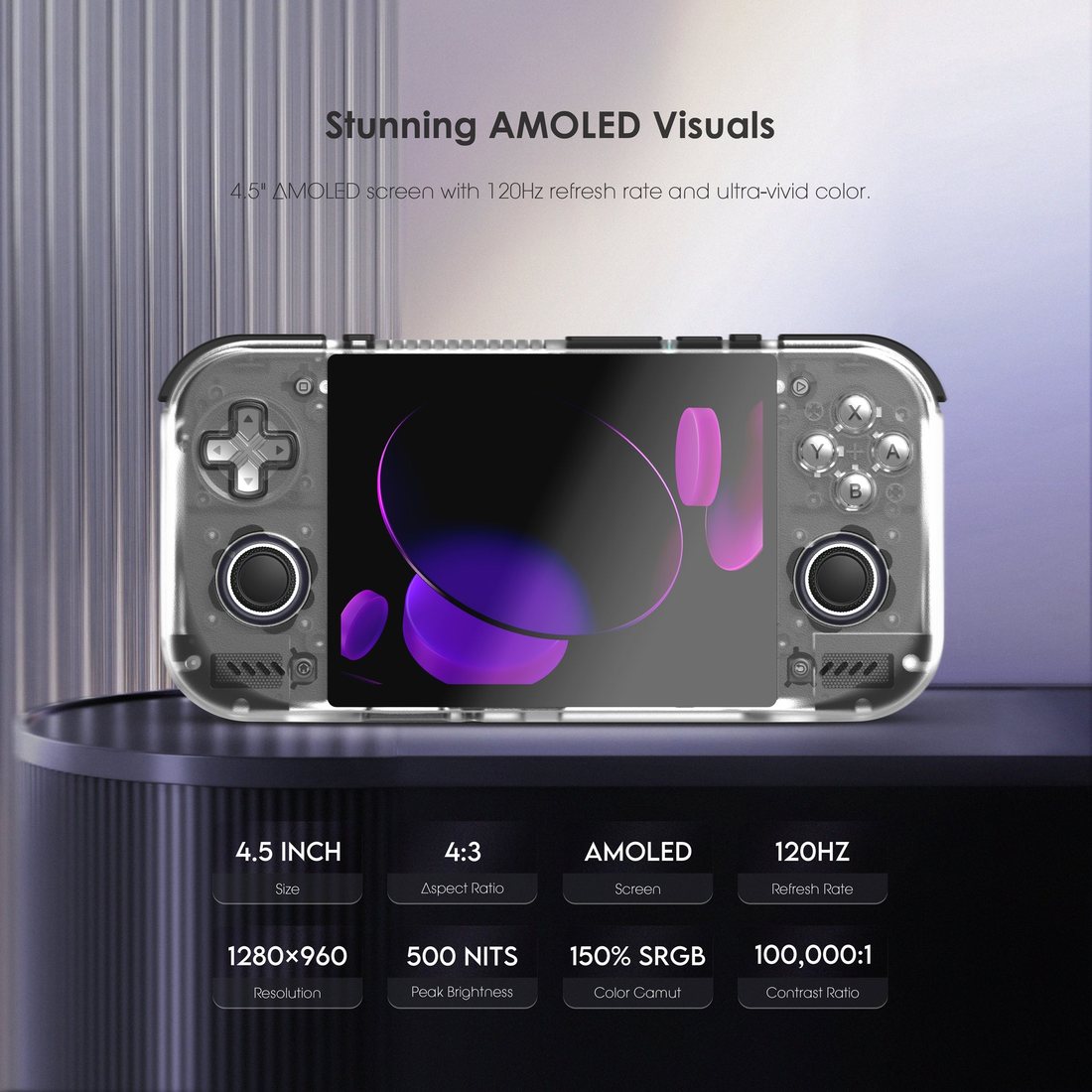
Retroid's own panel figures: 4.5 inches, 4:3, 1280x960, 120Hz, 500 nits peak. Image: Retroid.
Why the 4:3 screen matters
Most Android handhelds use 16:9 phone panels. That suits Switch and PC games and wastes a third of the screen on PS1, N64, Dreamcast, GameCube and PS2, which were all 4:3. The Nova flips that trade. Time Extension points out that 1280x960 gives integer scaling for 4:3 systems: it is exactly twice 640x480, so PS2 and GameCube output fills the panel with no black bars.
The cost lands on everything widescreen. Time Extension measured the usable image at about 4.1 inches once a 16:9 game is letterboxed, and its suggested fix is the USB-C video output to a TV. Our guide to Steam games on Android handhelds covers the PC side in full; the short version is that the Nova can run them, but the screen makes it the wrong buy if Steam is the point.
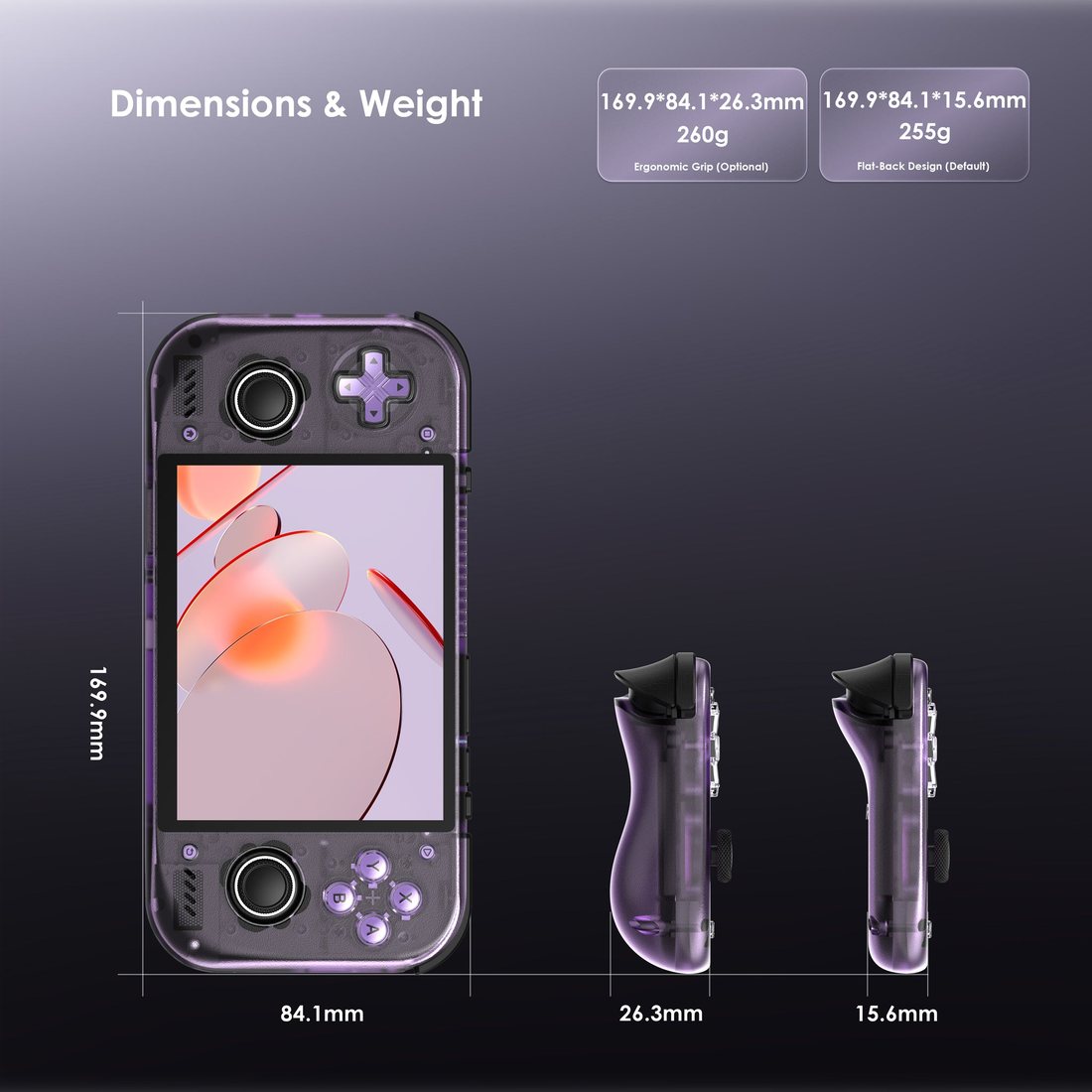
Retroid's dimensions graphic: 255g with the flat back, 260g with the optional ergonomic shell. Image: Retroid.
Retroid Pocket Nova vs Retroid Pocket 6
The same chip class, the same GPU, the same memory options. The differences are the screen and the battery.
| Retroid Pocket Nova | Retroid Pocket 6 | |
|---|---|---|
| Chip | QCS8550, Adreno 740 at 680MHz | Snapdragon 8 Gen 2, Adreno 740 at 680MHz |
| Memory | 8GB or 12GB LPDDR5x, 128GB UFS 3.1 | 8GB or 12GB LPDDR5x, 128GB UFS 3.1 |
| Screen | 4.5-inch AMOLED, 1280x960, 4:3, 120Hz | 5.5-inch AMOLED, 1080p, 16:9, 120Hz |
| Battery | 5000mAh | 6000mAh |
| Retroid price, 24 October 2026 | $239 / $269 | $244 / $279 |
| Reseller price, 24 October 2026 | $389.99 / $459.99 (MechDIY) | $429.99 for 8GB (LitNXT) |
At Retroid's prices the two are within $10 of each other, so the choice is the screen. Retro Dodo's verdict draws the line the same way: the Nova for 4:3 retro systems, the Retroid Pocket 6 for 16:9 and Android games. Our Retroid Pocket 6 post has its launch details.
If neither is in budget, the Retroid Pocket Flip 2, $189 at Retroid on 13 October 2026, runs everything to PS2 and GameCube on an older Snapdragon 865, with a 16:9 screen that folds shut.
Who should buy it
- Buy it if your library is PS1 to PS2 and GameCube, you want those games to fill the screen at 3x, and you are paying Retroid's $239 rather than a reseller's $389.99 or more.
- Pay the extra $30 for 12GB only if you plan to try PC games through GameNative or GameHub, where RAM is the limit our Steam guide describes. Retro Dodo's review unit was the 12GB model; the other three reviews do not say.
- Skip it if Switch or PC games are the main reason, since every reviewer flags the letterboxing; the Pocket 6 or the AYN Odin 3 suits those better.
- Look at the alternatives if you notice PWM flicker on OLED phones (Bryant flags it) or need a quiet device under load (Retro Dodo and DroiX both mention the fan).
For games to load onto it, our best handhelds for GameCube emulation and GameCube hidden gems lists are a good start. Prices and stock above were read from each store's listing on 24 October 2026 and will move; the devices page shows the current catalogue price.
Frequently asked questions
- Is the Retroid Pocket Nova worth it?
- For a library that ends at PS2 and GameCube, the reviews say yes. Time Extension gave it 9/10 and called it almost perfect for every system up to the PS2, Retro Dodo scored it 9.7/10, and DroiX gave it 4.7/5. It is a poor fit if you mostly want Switch or PC games, because most of those run at 16:9 and shrink to about 4.1 inches on its 4:3 screen.
- How much does the Retroid Pocket Nova cost?
- On 24 October 2026 Retroid's own store lists the 8GB+128GB model at $239 and the 12GB+128GB model at $269, or $244 and $274 in the four translucent colours, all in stock. MechDIY charges $389.99 and $459.99, and LitNXT lists it on pre-sale at $399.99 and $479.99. Reviews from July quoted $229 for the 8GB model, so the direct price has risen since launch.
- What is the difference between the Retroid Pocket Nova and the Retroid Pocket 6?
- They share the same GPU, an Adreno 740 at 680MHz, and the same 8GB or 12GB LPDDR5x and 128GB UFS 3.1 options. The Nova has a 4.5-inch 1280x960 4:3 AMOLED and a 5000mAh battery; the Pocket 6 has a 5.5-inch 1080p 16:9 AMOLED and a 6000mAh battery. Pick the Nova for PS2, GameCube and older 4:3 systems, and the Pocket 6 for Switch, PC and Android games.
- Can the Retroid Pocket Nova run GameCube and PS2 games?
- Yes. Gardiner Bryant ran 13 GameCube games at 3x internal resolution without dropped frames, with F-Zero GX and Mario Kart Double Dash at a steady 60fps. Time Extension ran every PS2 game it tried without a hitch, and Retro Dodo played Midnight Club 3 at 3x. Gran Turismo 4 Spec II was the one title Bryant could only hold steady at 1.5x.
- What is the Retroid Pocket Nova's battery life?
- The battery is 5000mAh with 27W charging. Time Extension measured 4 to 5 hours of PS2 and 8 to 10 hours of SNES, and Gardiner Bryant estimated about 5 hours for GameCube and PS2 and about 8.5 hours for PS1, SNES and GBA. DroiX's stress test at full brightness and maximum performance lasted about four hours.
- Does the Retroid Pocket Nova have a 4:3 screen?
- Yes. It is a 4.5-inch AMOLED at 1280x960 and 120Hz, a 4:3 panel Retroid had made for this device rather than a cut-down phone screen. That resolution gives clean integer scaling for 4:3 systems such as PS1, N64, Dreamcast, GameCube and PS2. Widescreen games are letterboxed, which every reviewer lists as the main compromise.
 tutorials