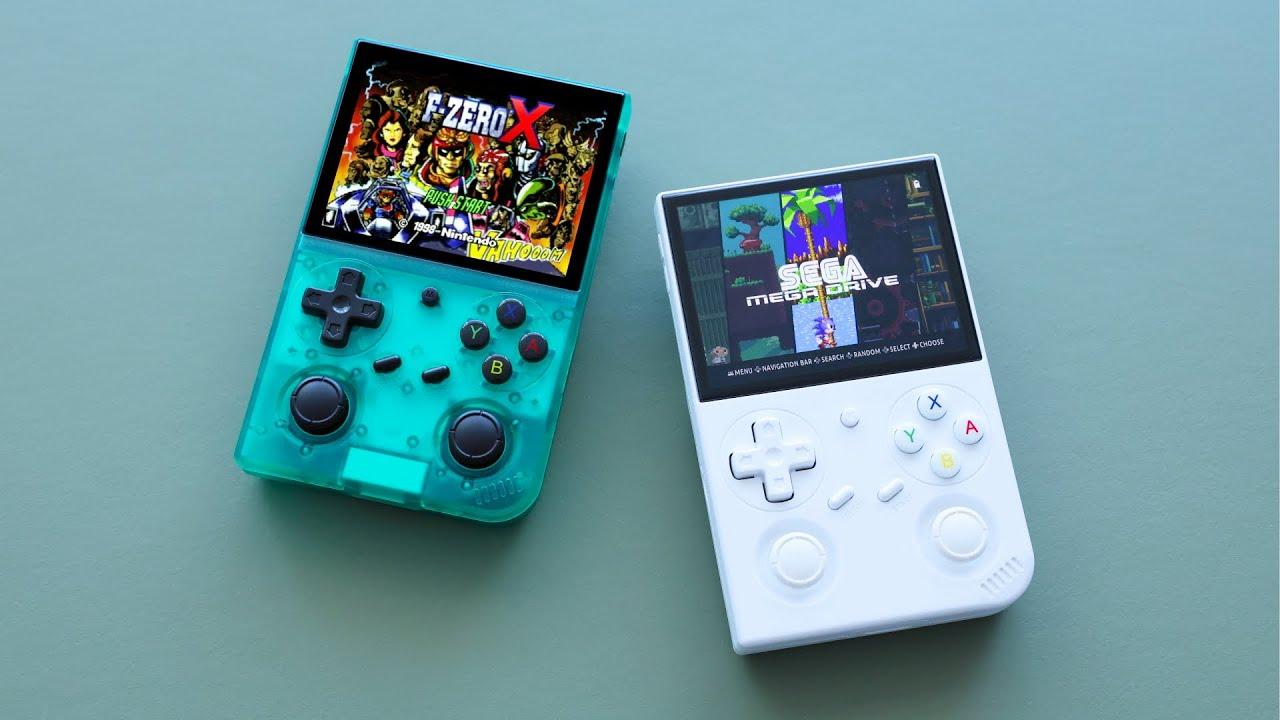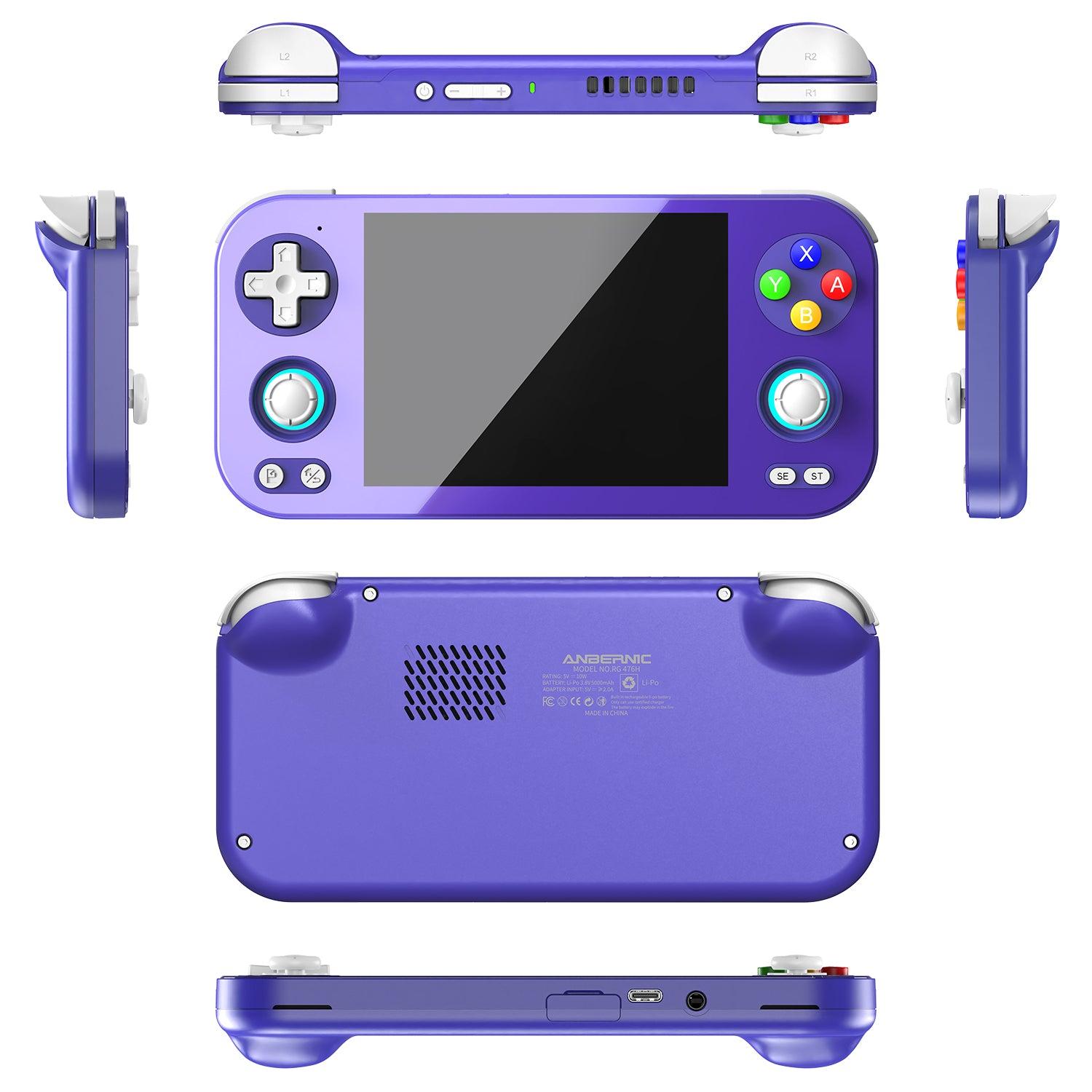
The Nintendo Entertainment System produced a generation of players who will take a game over from the first screen without complaining, because for several years that was the only way games were built. "Nintendo hard" is a real design era, not a meme, and the platformers below are the ones the difficulty record actually supports. They hold up on original hardware and on a modern handheld like the ANBERNIC RG 34XX, where a save state takes the sting out of a bad run without removing the challenge.
One thing this list deliberately is not: a greatest-hits list with difficulty language bolted on. Every entry is here because contemporary reviewers, award panels or the developers themselves recorded it as punishing. Release details, version differences and review scores come from each game's documented release history and the outlets named in each section, checked 2026-09-12. Two well-loved games that used to sit on this list were removed for failing that test — the FAQ at the end says where they went.
The five at a glance
| # | Game | NES release (NA) | Developer / Publisher | The difficulty on record |
|---|---|---|---|---|
| 1 | Ninja Gaiden | March 1989 | Tecmo / Tecmo | Nintendo Power's 1989 Best Challenge award; boss deaths in the last three stages restart Act 6 |
| 2 | Castlevania III: Dracula's Curse | 19 Sep 1990 | Konami / Konami | 16 stages across two routes, and the Japanese build hits harder than the one most people play |
| 3 | Mega Man | December 1987 | Capcom / Capcom | IGN calls it "the hardest in the franchise, and among the hardest titles on the NES" |
| 4 | Battletoads | June 1991 | Rare / Tradewest | 12 levels, and the Turbo Tunnel at level 3 stops most players cold |
| 5 | Ghosts 'n Goblins | November 1986 | Micronics / Capcom | GameTrailers ranked it the second most difficult game ever made |
1. Ninja Gaiden
Ryu Hayabusa's first outing is the clearest statement of intent on the system. Director Hideo Yoshizawa has described the team working from "the philosophy that the user would throw a game away if it wasn't hard enough," and the finished game is six acts and twenty levels built on that idea. Tecmo released it on the Famicom on 9 December 1988 and in North America in March 1989; Europe did not get it until 15 August 1991.
The controls are genuinely excellent — the wall-cling, the arcing sword, the ninpo arts — and that is the point. Nothing that kills you feels like input lag. What kills you is enemy placement, especially the birds and the knife-throwers that respawn the instant you nudge the screen backwards. The infamous part is the endgame: die to any of the last three bosses and you do not resume at that boss, you restart from the beginning of Act 6. 1UP.com called the late game "an unfair display of intentional cheapness," and a GameSpot retrospective wrote that the game "assaults you...with its punishing difficulty."
It was also a hit, which is worth remembering when people describe this era's hard games as commercial failures. Ninja Gaiden sold over 1.8 million cartridges — roughly 1.5 million of them in North America — and took Nintendo Power's 1989 awards for Best Challenge and Best Ending plus Electronic Gaming Monthly's NES Game of the Year. IGN later scored it 9/10 and Mean Machines 90%.
One correction to the way the story is usually summarised: Ryu is avenging a father he believes is dead. He is wrong, and the reveal is part of why the ending won awards.
2. Castlevania III: Dracula's Curse
Castlevania III is the hardest of the three NES entries and the best of them. You play Trevor Belmont, and the structural idea is that you recruit one companion at a time and swap between Trevor and your partner at will. Grant Danasty climbs walls and changes direction mid-air, Sypha Belnades throws elemental magic but crumbles in melee, and Alucard throws fireballs and turns into a bat. Because the branching map splits into two main routes through sixteen stages, which ally you can even reach depends on the path you took.
Konami released it in Japan on 22 December 1989 and in North America on 19 September 1990, with Palcom handling Europe in May 1992. The version difference matters more here than on most NES games, and it runs in the direction people assume it does not: the Japanese Famicom cartridge carries a VRC6 expansion chip with extra sound channels, and some enemies deal more damage than in the North American MMC5 build. So the ROM most players emulate is the slightly gentler one, with music rearranged for five channels. The North American version also hides a ten-lives code behind the player name "HELP ME," which is the closest thing to mercy in the game.
The reception is not ambiguous. AllGame gave it 4.5/5 and called it "the greatest Castlevania game to ever grace the NES." Nintendo Power ranked it the 9th best NES game, IGN placed it 5th on its Top 100 NES Games, and Electronic Gaming Monthly put it 57th on its 1997 list of the best console games ever made. Former series producer Koji Igarashi names it his favourite Castlevania. If you want the long version, we have a full write-up on why Dracula's Curse is hard but fair.
3. Mega Man
The Mega Man that belongs on a difficulty list is the first one. Capcom shipped it in Japan on 17 December 1987, in North America the same month, and in Europe on 13 December 1989, and it is the entry the series spent the next decade sanding down. IGN's Matt Casamassina called it "the hardest in the franchise, and among the hardest titles on the NES," and USGamer credits it with introducing the Nintendo-hard idea outright. 1UP.com's framing is the useful one: the Nintendo-hard bosses are precisely what separates the original from its two immediate and more popular sequels.
What makes it hard is not enemy health, it is the absence of the safety rails the sequels added. The original has no password and no continue system — unusual even for 1987, when plenty of NES games shipped with one — so a full clear is a single sitting. Mega Man 2 introduced the password that lets you resume past the Robot Masters you have already beaten, and that one feature accounts for a large part of the difficulty gap between the two games.
The clearest evidence of how hard the bosses are is that the most famous workaround in the series exists here. The Yellow Devil can be killed almost instantly by hitting it with the Thunder Beam and then tapping pause repeatedly: an enemy's invincibility timer keeps running while the game is paused, so every unpause registers a fresh hit. Capcom removed that behaviour from later versions and ports, so it works only on the original NES release, the Anniversary Collection and the Legacy Collection. A boss famous chiefly for the exploit people use to avoid fighting it is not a boss anyone found fair.
It is not a universally beloved game and this page should not pretend otherwise. AllGame scored it 5/5 and called it a "near-perfect blend of action, challenge and audio-visual excellence," IGN gave it 8/10 and The Games Machine 83%, and it took Best 8-bit Console Game at the 1990 Golden Joystick Awards. But Total! looked back on it as "an overhard and unenjoyably frustrating platform nightmare," and one Famitsu reviewer's verdict — the "difficulty seems cruel, but the game is exciting!" — is about as honest a summary of the 1987 experience as exists. It was a slow word-of-mouth hit rather than a launch success, and it sold well enough that Capcom greenlit the sequel everybody actually remembers.
4. Battletoads
Rare's Battletoads is the game people name when they want to end an argument about NES difficulty, and it earns that honestly. Tradewest published it in North America in June 1991, Japan on 20 December 1991 and Europe on 18 February 1993.
Two things about it are routinely got wrong. There are three Battletoads in the fiction, but only two of them are playable: Rash and Zitz. Pimple is the one who gets captured alongside Princess Angelica, which is the entire reason the other two set off. And the difficulty is not spread evenly across the twelve levels — it spikes at level 3, the Turbo Tunnel, where the speeder bikes force you to memorise a wall sequence at a speed the game never asks of you again. A lot of people who own this cartridge have never seen level 4.
What gets lost in the difficulty jokes is how well reviewed it was. All four Electronic Gaming Monthly reviewers gave it 9/10 and the magazine called it "the greatest NES game of 1991." It won seven categories at the 1991 Nintendo Power Awards, including Graphics/Sound, Theme/Fun, Best Play Control and Overall Best NES Game. Mean Machines identified exactly why it keeps people coming back — it is "brilliantly designed to allow you to get just a little bit further each time" — and Nintendo Magazine System summed the pacing up as "progress isn't slow, but then it isn't a breeze."
It supports simultaneous two-player co-op, which sounds like help and frequently is not.
5. Ghosts 'n Goblins
Capcom's arcade game arrived on the Famicom on 13 June 1986 in a port programmed by Micronics, reached North America that November and Europe in 1989. It is a run-and-gun platformer, it is slow, it is stiff, and it is one of the hardest things on the console. GameTrailers once ranked it the second most difficult game ever made, and the series' reputation for brutality starts here.
Arthur dies in two hits — armour, then death — while the game throws ghosts, unicorns and flying knights at him and he lobs lances on a fixed arc with no air control on the jump. The hardest part, though, is structural rather than mechanical: as in most of the main series, finishing it once is not finishing it. You are sent back through the stages at a higher difficulty to reach the true ending, so a genuine clear is two full playthroughs.
Despite all that it sold over 1.6 million units by 2008, and the retrospectives have been kinder than the difficulty jokes suggest — IGN rated it the 54th best NES game of all time, and Nintendo Power placed it 124th among all games on Nintendo consoles.
Playing these on a handheld
All five are small ROMs that any current retro handheld runs at full speed, so the hardware question is really about controls and screen response. Platformers this precise want a D-pad rather than a stick, and they want a panel that does not smear on fast horizontal scrolling — the Turbo Tunnel and Ninja Gaiden's Act 6 both punish ghosting. The ANBERNIC RG 34XX is a sensible pick for the era on both counts.
Save states are the other consideration, and they are worth being clear-eyed about. Two of these five have no way to preserve progress at all: Mega Man shipped without a password or continue system, and Ninja Gaiden throws you back to the start of Act 6 for a single boss death. A save state restores roughly the checkpointing those designs left out. If you want the 1989 experience, turn them off; if you want to see the endings, do not feel bad about leaving them on.
Frequently asked questions
Where is Mega Man 2? Removed, because the record does not support it on a difficulty list. Mega Man 2 is the entry Capcom made easier: the North American and European releases added a "normal" setting alongside the Japanese original's "difficult," and normal makes the arm cannon and boss weapons more powerful. Electronic Gaming Monthly's reviewers at the time expressed disappointment that it was less difficult than the first game, and 1UP.com credits it with removing excessively difficult elements. It is a better game than Mega Man 1 by most measures — over 1.51 million copies sold, IGN 9.5/10, Mean Machines 95% — and it is on our list of iconic NES platformers, which is where it belongs.
Where is Super Mario Bros. 3? Same reason. It is one of the best platformers ever made — Computer and Video Games and Mean Machines both gave it 98%, and it sold north of 17 million copies — and it is not a hard game, because Nintendo built it not to be. Power-ups are stored in an inventory you deploy from the world map, the overworld offers alternate routes, hidden Warp Whistles skip levels outright, and the design deliberately front-loads coins and 1-ups in the early worlds so that newcomers can get through while the later worlds hold the complexity for experienced players. It used to sit at number five here with the caveat that it "may not be as punishing as some of the other titles on this list," which was an admission that it did not fit.
Which of the five is actually the hardest? Ghosts 'n Goblins, if you count the mandatory second playthrough. Battletoads, if you count how many players quit at one named level. Ninja Gaiden, if you count only the last twenty minutes.
Are the Japanese versions harder? Sometimes, and not always in the direction you would guess. Castlevania III's Famicom build has enemies that deal more damage than the North American one. Mega Man 2 went the other way, shipping in Japan with only the harder setting. Check which region's ROM you are running before you draw conclusions about your own skill.
What if I want hard NES games that are not famous? Start with our NES hidden gems round-up. The difficulty curve of the 8-bit era was not limited to the games that sold millions, and several of the harder cartridges never got a second printing.