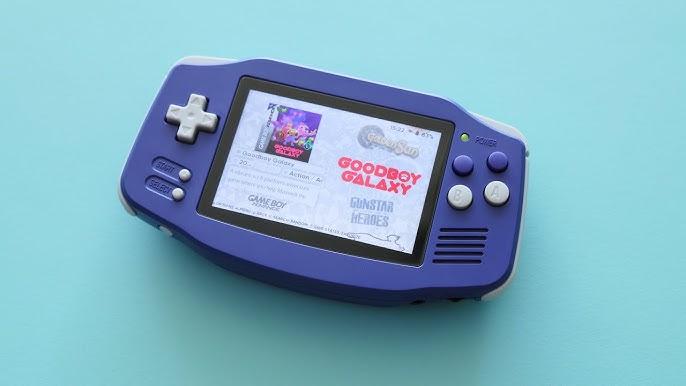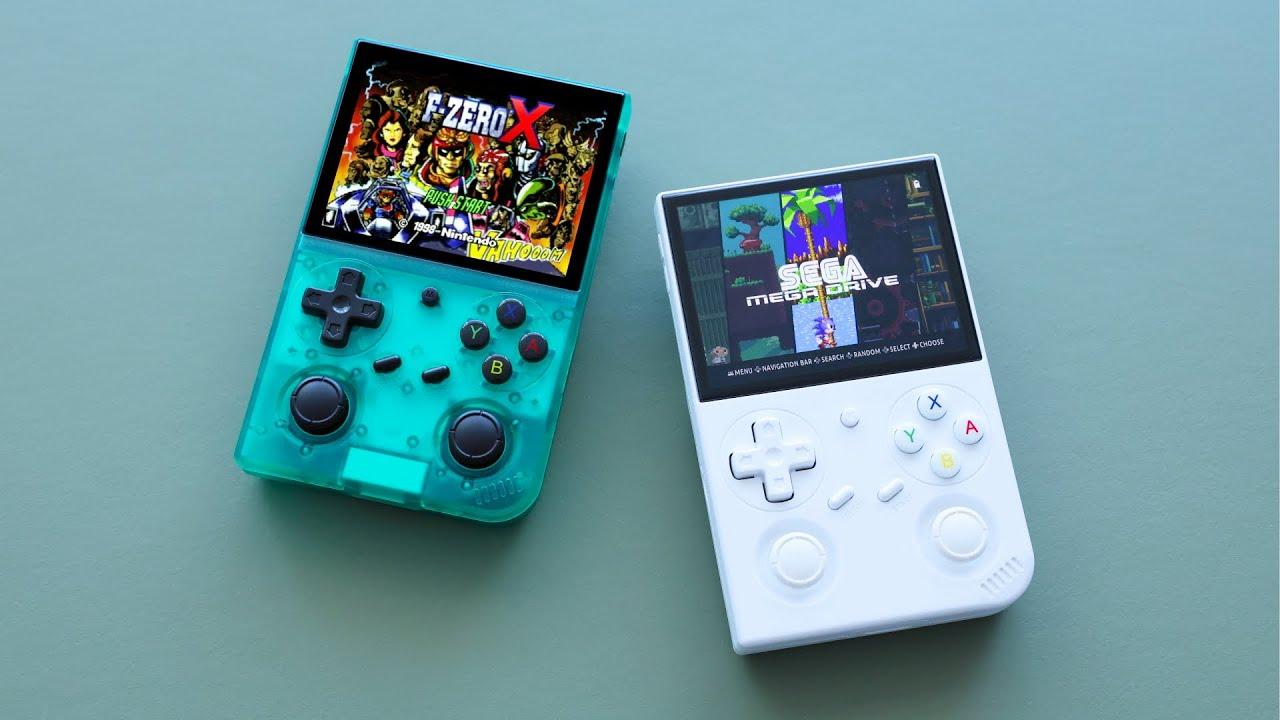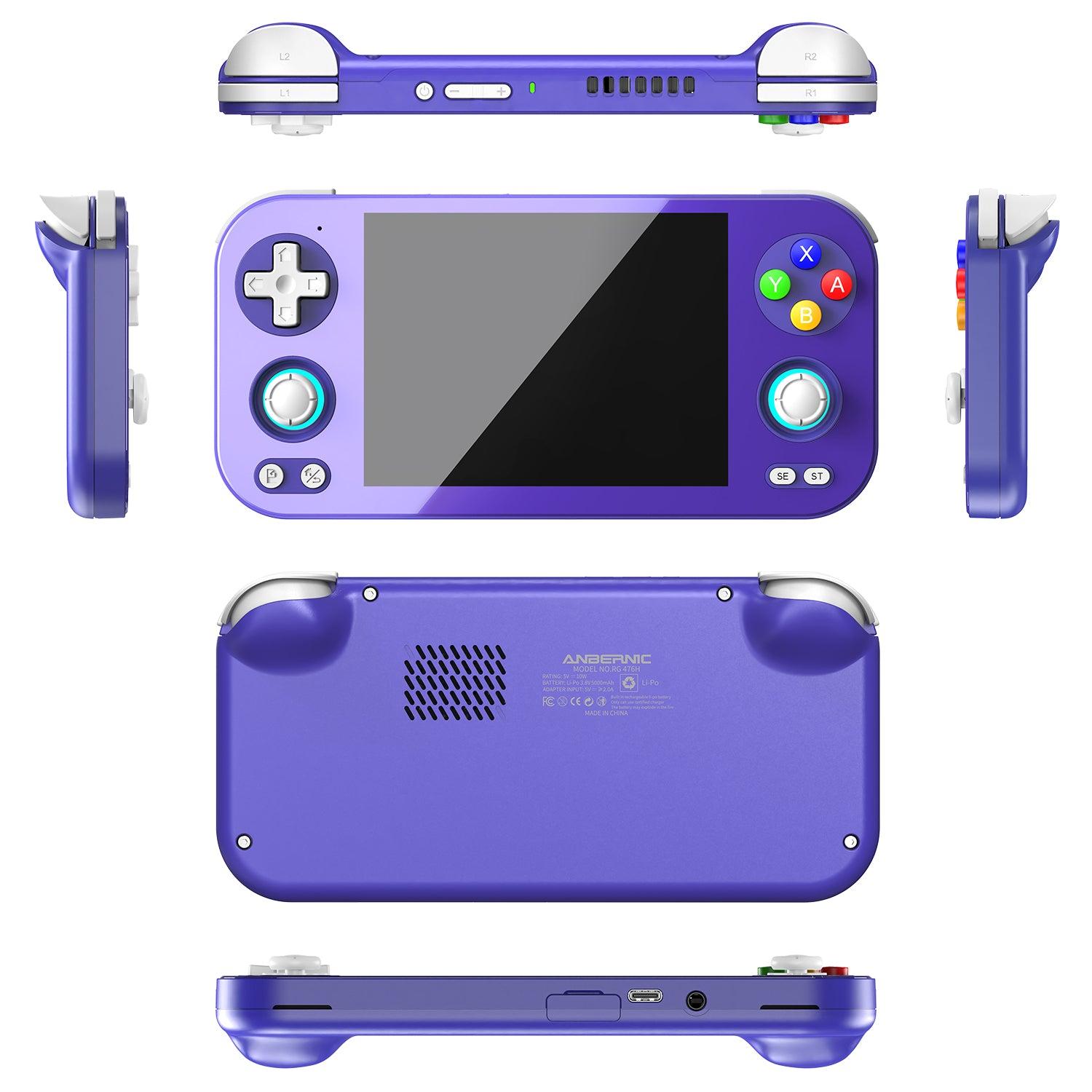
The Atari 2600, a cornerstone of early gaming, continues to hold a special place in the hearts of retro gamers. With its simple graphics, groundbreaking gameplay, and reusable cartridges, it paved the way for generations of gaming. In this 2025 edition, we will explore some of the best Atari 2600 games that every retro gaming enthusiast should revisit while playing on modern devices like the ANBERNIC RG 34XX. These games not only offer immense nostalgia but also provide engaging experiences for new and old players alike.
Adventure
A pioneering action-adventure game, Adventure is often recognized as one of the first of its kind. Players step into the shoes of a brave knight on a quest to rescue a princess from a dragon. The game’s open-ended exploration, the ability to navigate different castles, and the incorporation of objects like the key and sword contribute to its lasting appeal. Its simple yet engaging gameplay makes it an ideal choice for players, especially those looking to experience an early example of interactive gaming on their ANBERNIC RG 34XX.
Pitfall!
Pitfall! takes players on a thrilling jungle adventure where they must navigate through various obstacles and collect treasures along the way. The game is famous for its platforming elements, requiring skill to jump over crocodiles, swing across vines, and dodge rolling logs. As a significant title from the Atari catalog, Pitfall! offers a fun challenge for players trying to beat their own high scores. The game’s straightforward mechanics and engaging environment keep players coming back for just one more round, making it a must-play for anyone diving into retro gaming.
Frogger
Few games distil the arcade era down to a single idea as cleanly as Frogger. The 1982 Parker Brothers conversion asks one thing of you: guide a frog from the bottom of the screen to the safety of the home bays at the top. Standing between you and that goal is a lane of traffic that will flatten you, and beyond it a river you cannot swim in, crossable only by hopping between drifting logs and the backs of diving turtles. The timer never stops, and the margin for error narrows with every screen you clear. It is the purest kind of pick-up-and-play design — a single life lost teaches you exactly what you did wrong, which is why "one more go" has kept this one in rotation for four decades.
River Raid
River Raid is the game that showed what a cartridge could do in the right hands. Designed by Carol Shaw for Activision in 1982 — one of the earliest major titles credited to a woman in the industry — it sends your jet up a winding river, shooting helicopters, ships and balloons while the canyon walls squeeze the playable lane tighter and tighter. The twist that makes it endure is fuel: you burn it constantly, and the only way to top up is to fly low over a fuel depot rather than destroying it. That single mechanic turns a straightforward shooter into a running risk calculation, and it is why River Raid still reads as a genuinely designed game rather than a tech demo.
Yars' Revenge
The best-selling original title on the console, Yars' Revenge (1982) is also its strangest. Howard Scott Warshaw built it around an insect-like Yar that must chew or shoot its way through a shifting barrier before firing the Zorlon Cannon at the Qotile waiting behind it. The screen is split by the Neutral Zone, a band of flickering static where enemy fire cannot reach you, giving the game a rhythm of dart-out, nibble, retreat. Nothing else on the system looks or plays quite like it, and it remains the clearest argument that the 2600 had room for original ideas and not just arcade ports.
Where to Start
If you are coming to the Atari 2600 for the first time, Pitfall! and Frogger are the gentlest entry points — both explain themselves in seconds. River Raid rewards a longer sitting, and Adventure is worth playing for its place in history as much as for the game itself. Yars' Revenge is the one to save for when the console's limitations have stopped feeling like limitations. Most of these titles are short by modern standards, which is exactly what makes them suit a handheld: they are built around single sessions and high scores, not save files.